Rehab Articles
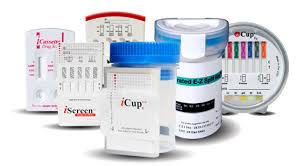
Heroin abuse is a growing problem in the USA and many other parts of the world, but until now testing for heroin with conclusive results has not been easy because this opiate comes from the opium poppy plant. This plant is also where poppy seeds come from, and if you eat poppy seeds then traditional drug testing for heroin abuse could cause a false positive for heroin. A new drug test has been developed that can distinguish between these two factors, making it easier for parents, courts, and employers to identify heroin abuse without concerns about false positive results. Researchers hope that the latest test can finally eliminate the poppy seed defense for heroin addicts. Recent research featured in the journal Drug Testing and Analysis shows great promise at eliminating the false results that poppy seed consumption can give.
The authors of the research study wanted to identify a substance that can be found in street heroin but that is not present in poppy seeds or even prescription opiates, and this substance was a unique metabolite that has been designated as ATM4G. If this metabolite is present in high amounts in the urine of the individual then this means heroin abuse has occurred. The research is still in the early stages but many believe this shows great promise for the drug testing industry. According to Dr Andrew Kicman ‘This research report addresses a longstanding analytical problem in forensic toxicology and workplace drug testing, by identifying a urinary marker that differentiates street heroin users from those whom have ingested morphine present in poppy seeds.” It may be some time before this type of testing is widespread though.
Rehab Articles

Molly is a designer drug that has gained a lot of popularity in the last few years, both with celebrities and with everyday normal people who are not as well known. Molly is promoted as a purer or safer form of Ecstasy by those who use it. The actual facts show that this is not the case though, and this drug has caused numerous overdose deaths and emergency room visits that have alarmed substance abuse and healthcare professionals. In New York last year the Electric Zoo music festival had to be shut down after two patrons overdosed on Molly. This designer drug is not safe, and it can cause permanent and irreversible damage to the brain and other organs even if the user survives.
Molly has been proven to be highly addictive, and today there is also the risk of other harmful chemicals that are being passed off as Molly by people trying to make quick money without caring who they hurt. Molly can cause hallucinations, a sense of euphoria, and an increase in energy. It is frequently used as a club drug or party drug, and is commonly combined with alcohol which can intensify the effects and the dangers of the drug. Typical Molly users are teens and young adults, although the emerging trends show that some middle aged individuals are also abusing this drug as well. Do you or someone you care about know Molly? If so then substance abuse treatment is needed to help you get your life back.
Rehab Articles

The Substance Abuse and Mental Health Services Administration, or SAMHSA, recently released the results of a study that shows the use of PCP and the ER visits caused by the use and abuse of this drug are increasing at an alarming rate. In 2011 alone there around 1.25 million Emergency Room visits caused by illicit drug abuse, many of these related to phencyclidine which is also called PCP or angel dust. In the last 6 years the rate of these visits because of PCP abuse has increased by around 400%. In 2005 there were 14,825 cases in the USA, and in 2011 this number skyrocketed to 75,538. This staggering increase shows that PCP abuse is on the rise, and the dangers of this drug are well documented.
According to the Director of SAMHSA’s Center for Behavioral Health Statistics and Quality Dr. Peter Delany “This report is a wake-up call that this dangerous drug may be making a comeback in communities throughout the nation. PCP is a potentially deadly drug and can have devastating consequences not only for individuals, but also for families, friends and communities. We must take steps at every level to combat the spread of this public health threat.” Around 66% of the ER visits for PCP are for males, and the largest increase was seen for patients between the ages of 25 and 34 years old. PCP has effects similar to LSC and MDMA, but it can include a higher level of hostility and aggression as well as decreased pain perceptions. If you or someone you love has a problem with PCP use, abuse, or addiction there is help available.
Rehab Articles

People who have a severe mental illness also have a much higher risk of substance abuse in all forms according to a new scientific study. According to the study researchers those who suffer from bipolar disorder, schizophrenia, and other severe types of mental disorders are far more likely to have substance abuse problems as well, including cigarettes and other forms of tobacco use. Previous studies that examined the link between mental illness and substance abuse did not include those who had a serious and severe mental disorder, and the new studies show that if you have a serious mood disorder or anxiety disorder then you are roughly twice as likely to end up with substance abuse issues as well. The study data was compiled using the information included in the 2012 National Survey on Drug Use and Health, and this data showed that more than 8 million people in the USA alone suffer from both of these conditions.
Even though millions of US citizens have both a serious mental disorder and substance abuse issues less than 10% receive treatment for both conditions and end up with a dual diagnosis and dual treatment plan. The newest findings show what many physicians have previously suspected, that the number of individuals who have severe psychosis and substance abuse issues have been underestimated so far and that the true figures are actually much higher. Some statistics show that a mental disorder may make you 4 times more likely to abuse alcohol, around three and a half times more likely to engage in marijuana use, and over 5 times more likely to smoke cigarettes.
Rehab Articles

A new study using animals shows that they experience a mental decline when they go through cold turkey withdrawal. If substance abuse treatment is received then this mental decline is not experienced. The study was performed by Georgetown University Medical Center, using animals that were addicted to the powerful painkiller morphine. What the study shows is that cold turkey withdrawal can be harmful, and those with drug abuse issues need to receive comprehensive substance abuse treatment in order to manage their withdrawal and benefit from better mental health. According to neuroscience professor Italo Mocchetti, Ph.D “Over time, drug-abusing individuals often develop mental disorders. It’s been thought that drug abuse itself contributes to mental decline, but our findings suggest that quitting cold turkey can also lead to damage. Interestingly, we found that treating the addicted animals with morphine both increased the protective CCL5 protein while decreasing pro-inflammatory cytokines, suggesting a beneficial effect.”
The study showed that animals which were not treated for the addiction saw the opposite in the results, with a higher level of cytokines that are damaging and lower CCL5 levels. Mocchetti went on to state “From these findings, it appears that morphine withdrawal may be a causative factor that leads to mental decline, presenting an important avenue for research in how we can better help people who are trying to quit using drugs.” The study was published in the scientific journal Brain, Behavior and Immunity. The results show just how important substance abuse treatment can be, and how a cold turkey withdrawal is not the best method to use for drug abuse.