Rehab Articles

substance abuse, drug addiction, alcohol abuse
1. Worry- Substance abuse can have a profound effect on your family members and friends. These individuals may worry constantly because of your drug addiction or alcohol abuse, concerned that your drug addiction will harm you or someone else. When you are away from loved ones they may worry that you can not control your substance abuse.
2. Helpless- Family members often feel helpless over your substance abuse, and they may feel like there is nothing that they can do. This is true to a point, but feeling helpless can be eliminated by arranging for an intervention and then a stay in a drug addiction or alcohol abuse treatment center.
3. Frustration- Frustration is common among family members who are dealing with substance abuse by a loved one. The family member may feel frustrated because they try to help but the user continues their destructive habits. As a family member you may feel like giving up but you can get through if you are persistent.
4. Fear- In many cases of drug addiction and alcohol abuse the loved ones feel fear because of the risks and medical consequences of substance abuse. Your family may be concerned that you will overdose and die, or that constant drinking may destroy your liver and health.
5. Anger- Anger is another emotion that substance abuse by a family member can cause. It is often a first reaction to be mad at the user or view this problem as one of not enough willpower, but this is not the case.
Rehab Articles
morphine, morphine addiction, prescription pain medication
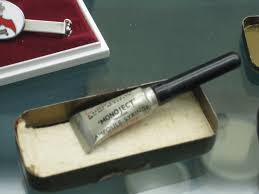
Morphine is a strong narcotic prescription pain medication that is manufactured from the opium poppy, and this drug can be highly addictive. Often a morphine addiction develops because the individual has a medical condition that requires strong prescription pain medication. Over time dependence on morphine will usually develop and the individual builds up a tolerance for the morphine. A stronger dose or more frequent dosage schedule may be needed to get the same effect. Eventually the individual has a full blown morphine addiction that impacts every area of their life. When the physician stops prescribing the drug then the user may turn to street sources, or even start using heroin as a substitute. If morphine addiction treatment is not sought the person will just continue to get worse in most cases.
Morphine addiction is treated the same as other prescription pain medication addictions. Normally inpatient rehab is the best option. Some facilities and programs may offer replacement therapy or methadone treatment in order to wean the individual off the opiate drug slowly and prevent severe cravings. Substance abuse treatment should always include individual counseling several times a week, group therapy just as frequently, and a variety of other treatment options to help you heal and fully recover. Anger Management, stress relief, nutritional counseling, equine therapy, musical appreciation, arts and crafts, and many other possible treatment choices can identify the best morphine addiction treatment programs. If you or a loved one has a problem with morphine or other types of prescription pain medication then there is help available.
Rehab Articles

nutrition tips, alcohol addiction recovery, relapse
There are some important nutrition tips that can help you during your alcohol addiction recovery. Substance abuse takes a big toll physically, as well as the psychological damage that occurs. Nutritional deficiencies and poor eating habits can cause a relapse for many people, and the following nutrition tips can help while you are going through alcohol addiction recovery:
-
Avoid caffeine whenever possible. This includes full versions of coffee, sodas with caffeine, and even teas that provide large amounts of this stimulant. Caffeine can cause your mood to fluctuate and make you more likely to relapse.
-
Minimize added sugars and sugary foods that are sweet. In addition to possibly causing alcohol cravings sweet foods also contain empty calories and few nutrients. These items take the place of healthy and nutritional food choices in your diet.
-
Make sure that you get plenty of protein each day. Protein helps to build and maintain muscle tissue and it is required for good physical health.
-
Work hard to get at least 64 ounces of water in your diet. When you feel the urge to reach for a soda or juice try drinking water instead. If you do not like the taste of plain water then spruce the beverage up with a slice of orange, lemon, or lime. Being even slightly dehydrated can affect the way that you feel, and may make you more likely to relapse.
-
Choose foods that are rich in antioxidants and other nutrients but that are low in fat and calories.
Rehab Articles

anger management, substance abuse treatment, recovery process
One of the important components of effective substance abuse treatment is anger management, but why is this so important and how does it help the recovery process? Anger management helps you to learn to control and defuse your anger before it can cause harm to you or others. Being angry is one of the most common relapse triggers when it comes to alcohol and drug abuse, and one of the most frequent answers given about why a relapse has occurred. In this type of therapy you will learn to recognize the signs of anger and how to short circuit this emotion before it can get worse or become explosive. Many people have never learned to control this emotion and it has had a destructive effect on their lives.
Anger management therapy is vital in order for the recovery process to go smoothly. During substance abuse treatment and recovery you may find yourself getting irate over even the smallest of things, and this emotion can be incredibly damaging. The same hidden wounds and invisible traumas that lead to substance abuse can also cause issues with controlling anger or feeling this emotion frequently. If you or someone you know needs substance abuse treatment then it is important to make sure that any rehab offers anger management therapy to help work through any anger issues during the recovery process. If a substance abuse treatment program does not offer this component then you may want to pick another facility instead.
Rehab Articles
Prescription drug abuse, drug addiction
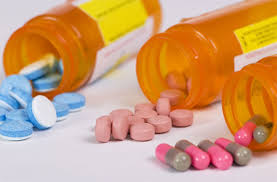
Prescription drug abuse or drug addiction is not something that anyone wants to have. What causes prescription drug abuse though, and why do some people experience this problem while others seem almost immune to prescription drug addiction? There are social and genetic factors involved in addiction, and some people are more vulnerable or predisposed to substance abuse than others. There is no way to pinpoint who is at the highest risk for abuse and addiction when it comes to prescription drugs or even street drugs, and engaging in substance abuse is like playing Russian roulette. A family history of substance abuse can mean a higher risk for prescription drug abuse but this may not always be the case. Peer pressure and social issues also play a role in the abuse of any type of substance.
In many cases prescription drug abuse or drug addiction starts out with legitimate medications. The individual may need pain medications like Vicodin or codeine because they have been injured, had dental work performed, or undergone a medical procedure that makes prescription pain medication necessary. Over time prescription drug abuse occurs because the individual has developed a tolerance for the drug so more is needed to achieve the same effect. Eventually the user is taken off the prescription pain medication but the addiction continues, and the user starts to look for the drug on the street. Prescription drug abuse is a serious problem and treatment should be sought immediately if you or someone you care about has this problem.