Rehab Articles

alcohol abuse in Canada, alcohol addiction
Alcohol abuse in Canada is very common unfortunately, in spite of the many steps taken by the government to lower the drinking rate and combat underage and excessive drinking. A study performed by CAMH, the Centre for Addiction and Mental Health, found that Canadian citizens drink more than the rest of the global population by half, or 50% above the average rate around the world. The author of the study, CAMH’s Social and Epidemiological Research Department Director Dr. Jürgen Rehm, explained that “The burden of disease and injury is measured when someone dies prematurely or before the life expectancy in a certain country. Most of the harm and most of the death happens to people who drink more than three drinks a day, or someone who is drinking four or more drinks on a single occasion.”
According to Dr. Rehm the highest rate of alcohol abuse in Canada and alcohol addiction by population was those between 15 years old and 29 years old. The study author also pointed out that alcohol abuse is ranked #3 when it comes to cause of death around the world. Other research has shown that around 4% of the population of Canada aged 15 years old or older have an alcohol addiction. Males in the young adult age group are 200% more likely than females to engage in alcohol abuse. Someone who is a heavy drinker has a higher risk for more than 200 different diseases and conditions, and they are more likely to die at a younger age.
Rehab Articles

sex addiction, drug addiction
A new study at the University of Cambridge shows that sex addiction and drug addiction have similar brain activity. The study found that individuals with a sex addiction who view pornography experience brain activity that is very similar to the brain activity caused by drug use for individuals who have a drug addiction. The researchers found that the number of people with a sex addiction can be as high as 1 in 25, and this is a considerable amount of the population. The study involved 19 patients who all suffered with sex addiction, and the brain activity of the study participants were compared to brain activity from healthy subjects without sex addiction or drug addiction issues. The male study subjects were shown a video series that involved either sports programs or sexually explicit content.
University of Cambridge Wellcome Trust Intermediate Clinical Fellow Dr. Valerie Voon stated “The patients in our trial were all people who had substantial difficulties controlling their sexual behavior and this was having significant consequences for them, affecting their lives and relationships. In many ways, they show similarities in their behavior to patients with drug addictions. We wanted to see if these similarities were reflected in brain activity, too.” Voon went on to say “There are clear differences in brain activity between patients who have compulsive sexual behavior and healthy volunteers. These differences mirror those of drug addicts. Whilst these findings are interesting, it’s important to note, however, that they could not be used to diagnose the condition. Nor does our research necessarily provide evidence that these individuals are addicted to porn — or that porn is inherently addictive. Much more research is required to understand this relationship between compulsive sexual behavior and drug addiction.”
Rehab Articles

binge drinking, teen alcohol abuse
A new study shows that researchers may be able to successfully predict the risk of binge drinking for teens. This may help with identifying teen alcohol abuse early on and preventing complications. The study looked at factors that include brain structure, life experience, and individual personality. All of these factors are proven to have a strong link to teen alcohol abuse and binge drinking. The study used data from the IMAGEN project to develop a model that can include up to 40 various risk factors for substance abuse among teens. The lead author for the study, University College Dublin professor Dr. Robert Whelan, said “Our goal was to better understand the relative roles of brain structure and function, personality, environmental influences, and genetics in the development of adolescent abuse of alcohol. This multidimensional risk profile of genes, brain function, and environmental influences can help in the prediction of binge drinking at age 16 years.”
The study on teen alcohol abuse and binge drinking involved more than 2,000 14 year olds from several European countries including France, Germany, England, and Ireland. Professor Gunter Schumann, who is associated with the King’s College London and the Institute of Psychiatry and who is also the IMAGEN project Coordinator, stated “We aimed to develop a ‘gold standard’ model for predicting teenage behavior which can be used as a benchmark for the development of simpler, widely applicable prediction models.” Being able to predict the risk of teen alcohol abuse and binge drinking may be the first step to treatment that is effective.
Rehab Articles

teens with addiction, substance abuse treatment
In Canada and the USA teens with addiction have very limited options when it comes to substance abuse treatment. Even when teens with addiction are hospitalized for inpatient substance abuse treatment often any insurance policy does not cover an optimal amount of days, and many parents find that their teens are released early than they should be because health insurance will not cover additional time. Community operated programs and outpatient substance abuse treatment options may not be as effective as intensive inpatient programs, and few insurers classify substance abuse as a chronic medical condition. This has left a big gap between the number of teens with addiction and the substance abuse treatment programs available to this age group, and this causes many teens with addiction to relapse or need further treatment after leaving a program because the first round was not highly effective.
The severely limited substance abuse treatment options of teens with addiction can be very stressful, both for the teen with drug or alcohol abuse issues and for their parents who struggle to seek treatment for their child with few possibilities. Part of the problem is the way that many health insurance providers view substance abuse treatment, so that this type of therapy is often considered treatment for a mental disorder like depression instead of treatment for a chronic condition. Often this distinction means fewer resources and less coverage, so that teens with addiction are released before they are fully recovered. This usually leads to a relapse and the need for further substance abuse treatment.
Rehab Articles

substance abuse, drug addiction, alcohol abuse
1. Worry- Substance abuse can have a profound effect on your family members and friends. These individuals may worry constantly because of your drug addiction or alcohol abuse, concerned that your drug addiction will harm you or someone else. When you are away from loved ones they may worry that you can not control your substance abuse.
2. Helpless- Family members often feel helpless over your substance abuse, and they may feel like there is nothing that they can do. This is true to a point, but feeling helpless can be eliminated by arranging for an intervention and then a stay in a drug addiction or alcohol abuse treatment center.
3. Frustration- Frustration is common among family members who are dealing with substance abuse by a loved one. The family member may feel frustrated because they try to help but the user continues their destructive habits. As a family member you may feel like giving up but you can get through if you are persistent.
4. Fear- In many cases of drug addiction and alcohol abuse the loved ones feel fear because of the risks and medical consequences of substance abuse. Your family may be concerned that you will overdose and die, or that constant drinking may destroy your liver and health.
5. Anger- Anger is another emotion that substance abuse by a family member can cause. It is often a first reaction to be mad at the user or view this problem as one of not enough willpower, but this is not the case.
Rehab Articles
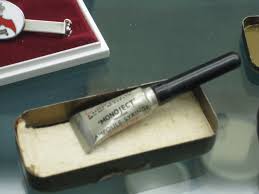
morphine, morphine addiction, prescription pain medication
Morphine is a strong narcotic prescription pain medication that is manufactured from the opium poppy, and this drug can be highly addictive. Often a morphine addiction develops because the individual has a medical condition that requires strong prescription pain medication. Over time dependence on morphine will usually develop and the individual builds up a tolerance for the morphine. A stronger dose or more frequent dosage schedule may be needed to get the same effect. Eventually the individual has a full blown morphine addiction that impacts every area of their life. When the physician stops prescribing the drug then the user may turn to street sources, or even start using heroin as a substitute. If morphine addiction treatment is not sought the person will just continue to get worse in most cases.
Morphine addiction is treated the same as other prescription pain medication addictions. Normally inpatient rehab is the best option. Some facilities and programs may offer replacement therapy or methadone treatment in order to wean the individual off the opiate drug slowly and prevent severe cravings. Substance abuse treatment should always include individual counseling several times a week, group therapy just as frequently, and a variety of other treatment options to help you heal and fully recover. Anger Management, stress relief, nutritional counseling, equine therapy, musical appreciation, arts and crafts, and many other possible treatment choices can identify the best morphine addiction treatment programs. If you or a loved one has a problem with morphine or other types of prescription pain medication then there is help available.