Rehab Articles

1. One of the biggest keys to preventing teen alcohol abuse is open communication. Parents need to talk with teens about alcohol use and listen carefully. When parents keep communication open the teen is more likely to abstain from substance abuse including alcohol abuse. Teens need to know that as a parent you are always available and willing to listen.
2. Part of substance abuse prevention in adolescents is setting boundaries and laying down rules. Let your teens know that there are consequences if the rules are broken, and what these consequences are. Teens need parents, not adult friends or those who want to be buddies with their children.
3. The peer group that your teens associate with should be monitored, and any peers who seem to be a bad influence when it comes to substance abuse should be banned from your teen’s social circle. Peer pressure can cause teens to use alcohol or drugs if they do not have strong parental support, so make sure that the peer your teen has are a good influence.
4. Know where your teens are at all times to prevent teen alcohol abuse. Adolescents who are not closely monitored and supervised may engage in substance abuse when they think they will not get caught. Know who your teen is with and where they will be.
5. If the goal is substance abuse prevention then be a role model for teens. Households where parents drink or use drugs have a higher rate of teen substance abuse because teens emulate the behvior that they see in their parents.
Rehab Articles

An early bedtime and more sleep each night could be a key factor in minimizing or even preventing mental illness according to a new study by researchers. Stress is detrimental to good mental health, and failing to get enough sleep can allow the effects of stress and poor habits to accumulate and lead to problems with mental and physical health. When things get hectic one of the first things to go is a healthy lifestyle, and many people feel like there is never enough time in the day. This can lead to late nights, early mornings, and a chronic lack of quality sleep. What researchers from Canada and France have found is that having regular scheduled mealtimes and getting to bed early each night can help prevent mental illness, and promote good mental and physical health.
Bipolar disorder and schizophrenia are mental illnesses that may be managed with more sleep and healthier meals. When researchers studied mice who did not get enough sleep and who had an irregular and unhealthy diet many of the rodents started to display symptoms of mental illness. This is not the first study to determine a link between quality sleep each night and developing mental illness. One study which was published n December in the Cognitive Therapy and Research journal also determined an association between going to bed late and negative thoughts and worries that were persistent. A study that was performed in 2013 also showed a link between these factors, and shift workers who were chronically sleep deprived due to shift changes actually started to develop depressive symptoms.
Rehab Articles
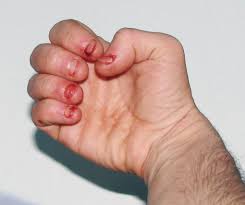
A new research study conducted in partnership between Yale University, the Saint Louis University School of Medicine, and the Veterans Affairs Medical Center has determined that there is a genetic and behavioral link between problem gambling and obsessive compulsive behavior. The researchers involved in the study hope that the links identified will help with new treatment developments and will also identify any biological factors and measures that underlie both of these conditions. The study results have been published in the JAMA Psychiatry journal. According to the senior study author, Dr. Marc Potenza, who is a professor of neurobiology, psychiatry, and child study, reported “This overlap between problem gambling and obsessive-compulsive behaviors appears to be genetic in nature. This common biological basis of the disorders could help inform treatment development efforts for individuals with co-occurring gambling problems and obsessive-compulsive behaviors.”
The latest study on problem gambling and obsessive compulsive behavior shows that those who have severe obsessive compulsive behaviors are also at a much higher risk of having a gambling disorder as well. These individuals are far more likely to meet the gambling disorder diagnostic criteria. According to Dr. Potenza, who founded the Problem Gambling Clinic at Yale University and who is the director of this clinic, psychiatry has really had to struggle when it comes to classifying gambling disorders. Past physician diagnostic guidelines classified compulsive gambling as a disorder with impulse control, but the latest guidelines classify this type of gambling problem as an addiction instead. Potenza explained “I think the current evidence in conjunction with previously published data suggests that gambling disorder shares similarities with both addictions and obsessive-compulsive behaviors.”
Rehab Articles

A new research study at Michigan State University examines whether social media encourages alcohol use, and the results may surprise some people. The more a user on Facebook sees or shares comments and views on an alcohol related page or topic the more likely the user is to engage in alcohol use. More than 400 participants recorded their emotions and feelings after they saw and responded to Facebook items which were relevant to alcohol. According to study leader and assistant professor Saleem Alhabash, Ph.D., “What we found is if people actually feel so engaged with that message and want to do something about it —like, share or comment —that it makes the likelihood of them thinking about drinking even greater. Alcohol content is everywhere. Underage drinkers will see these ads, think they’re cool, and then like or share. They interact with it and start thinking about it.”
When discussing the MSU study on social media and alcohol use assistant professor of advertising and public relations Anna McAlister, Ph.D., said “Do intentions lead to actions? Intention is the single strongest predictor of actual behavior.” Alhabash continued with the statement “It’s ironic because the classical way of thinking about marketing, say on TV, is to advertise alongside alcohol brands. Our study says ‘this might not be the way to do it.’” The implications of the study results on underage drinking could be enormous. Alcohol related Facebook pages could be contributing to underage drinking by minors, and with the latest research results showing this to be a contributing factor steps may be possible to minimize exposure to alcohol related Facebook pages by minors.
Rehab Articles

A recent study suggests that physician over prescribing is fueling the opioid addiction crisis facing North America, and that this problem goes much deeper than just recreational drug use. Many people who end up addicted to opioid drugs start this destructive cycle with a legitimate prescription for pain. This abuse of physician practices needs to be the focus of new prevention efforts. At the same time it is important for people to have options in order to control severe or chronic pain. In many cases there are pain management medications and methods that do not involve the use of opioid medications, and these can work very well for many patients who need pain relief. Some physicians use opioid drugs as a first resort instead of trying other measures first, and this is helping to fuel the rising rate of addiction on these medications.
According to the lead author of the study, Heller School for Social Policy and Management at Brandeis University researcher Dr. Andrew Kolodny “We need to prevent new cases of opioid addiction and we need to expand access to treatment for the millions of Americans who are already addicted. Without better access to addiction treatment, overdose deaths will remain high and heroin will keep flooding in.” This means that preventative methods need to include oversight to prevent physician over prescribing of opioid drugs, and additional treatment options and facilities need to be developed. Some physicians refer patients who have chronic or severe pain to specialty pain management clinics, refusing to prescribe strong narcotics under any circumstances.