Rehab Articles
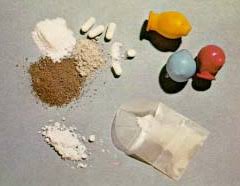
Knowing what the heroin overdose signs are could save a life if someone you know or love has a problem with heroin abuse. Death from an overdose can happen very rapidly if medical help is not received so it is imperative that this condition is noticed and help is summoned immediately. If the user is unresponsive or unconscious after using the drug then an overdose should be suspected. Other possible heroin overdose signs include:
-
Problems breathing
-
Breathing that is slow and shallow
-
Stomach cramps
-
Low blood pressure
-
Pupils which are dilated
-
Bluish color to the skin, lips, or nails
-
Confusion
-
Sleepiness
-
White patches which appear on the tongue
-
Constipation
-
Vomiting
-
Muscle spasms
-
A low heart rate
-
Dry mouth
If someone that you know has a problem with heroin abuse then it is very important to learn the heroin overdose signs, so that if this happens you know what is going on and you can get help right away. If left untreated the individual will die in many cases, and even treatment may not be effective if the overdose process has gone on too long. There are drugs which can counteract this opiate in the body but these should be given as soon as possible to get rid of any heroin still in the body. There are treatment programs which are very effective, and a heroin addiction will not go away on it’s own. You can not force someone to get the help that they need, but you can encourage this step and provide support so that the user can make a complete recovery.
Rehab Articles
Heavy drinking will increase your stroke risk in your middle years, and can boost the risk factor for a stroke even more than diabetes or high blood pressure according to the results of a research study that was recently released. The study results have been published in the medical journal Stroke. Research studies n heavy drinking in the past have shown that alcohol use does affect the stroke risk a person has, but this is the first time that a study has shown that there are differences in the risks that occur depending on age. According to St. Anne’s University Hospital’s International Clinical Research Center in the Czech Republic statistician Pavla Kadlecová, M.Sc., explained “We now have a clearer picture about these risk factors, how they change with age and how the influence of drinking alcohol shifts as we get older.”
The research study on heavy drinking and stroke risk involved over 11,500 Swedish twins who were in mid life, and these participants were tracked and monitored for more than four decades. The research study findings showed that the stroke risk for middle aged heavy drinkers was roughly 34% higher than the risk of a light drinker of the same age and with the same genes. Heavy drinkers weer far more likely to have a stroke during mid life even after environment and genetics were excluded. Pavla Kadlecová, M.Sc., continued by saying “For mid-aged adults, avoiding more than two drinks a day could be a way to prevent stroke in later productive age, about 60s.”
Rehab Articles
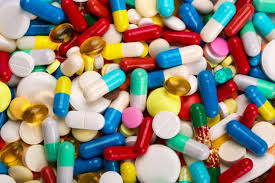
1. Teen pharming can be prevented when old medications that are no longer needed are properly disposed of. Many home medicine cabinets contain prescription and over the counter drugs which are expired or no longer used. When these are not disposed of they are available for any teenagers to access, and this can lead to drug abuse.
2. A locked medicine cabinet or drug box is an excellent way to prevent teen prescription drug abuse using your medications. If you have teenagers or younger children in the home it is a good idea to keep all prescription medications under lock and key. Many parents do not want to believe that teens would steal drugs that were prescribed to family members but this is a common problem.
3. If you want to prevent teen pharming make sure you talk with the adolescents in your family about the dangers of misusing and abusing prescription drugs. Many teenagers believe that since a drug was prescribed by a doctor it is safe and does not have any risks. Discuss the dangers with your kids to avoid this mistake.
4. Screening for teen prescription drug abuse is important. You want to hope that your adolescent will talk with you if they have a problem but at this stage teens often pull away. Discuss screening your teen for substance abuse with your family doctor or another healthcare professional. These professionals can also provide helpful tips on how to identify drug and alcohol abuse among teens for early detection and treatment.
Rehab Articles

Alcohol abuse and addiction is a serious problem, but there are some medications that can help with withdrawal and recovery. Each of these treatment options may be used in certain cases to increase the chances of a successful treatment program and a full and permanent recovery. Some of these medications help with the withdrawal symptoms that can send the individual back to abusing alcohol, while others are designed to help the individual avoid alcohol use in some way. Benzodiazepines and other anti anxiety drugs and anti-seizure medications may be used during the withdrawal process to minimize the symptoms experienced and help make the withdrawal process easier on the individual. These drugs also help lower the risk of seizures and other medical complications during detox, which can be very important if the alcohol abuse has gone on for a long period or the amount of alcohol consumed each day is excessive.
Some of the drugs used for withdrawal and recovery from alcohol abuse and addiction are designed to assist you in staying sober after the initial detox. Disulfiram, commonly called Antabuse, causes severe nausea and stomach upset when alcohol is consumed. Naltrexone works by interfering with the pleasure sensations that are caused when alcohol is consumed. Acamprosate helps those addicted to alcohol by reducing any cravings that are experienced. Topiramate may also be prescribed to help with alcohol addiction during the recovery process. It is also advisable to take a vitamin and mineral supplement during recovery to replenish any nutrients which have been depleted due to chronic alcohol abuse.
Rehab Articles

computer based substance abuse programs, relapse rates
One of the latest methods of treating alcohol and drug abuse is the use of computer based substance abuse programs, but are these programs really effective? Advances in technology mean that almost every household in Canada and the USA has access to a computer and the Internet, and computer based programs are being offered to military members in the USA in some situations. Computer based substance abuse programs often use a peer model, offering support and encouragement while helping the individual understand everything they need to know about their substance abuse. These programs can not be as effective as individual counseling sessions, and the person with the addiction is not secluded from the rest of the world and daily stresses. For some people a computer based model may be the only real option though, and in these situations some help is better than none at all.
The relapse rates seen with computer based substance abuse programs may be lower than some other options like faith based inpatient programs, but it can be an alternative to crowded and highly stressful community based programs with limited treatment options for some people. If you live in a remote area and there are no suitable treatment programs available that you can afford then computer based substance abuse programs may be an option. The best rehab will be the one that helps you overcome your alcohol or drug abuse and allows you to understand the problem. You should evaluate and compare treatment programs based on your specific budget, needs, and preferences for the best possible results.