Rehab Articles
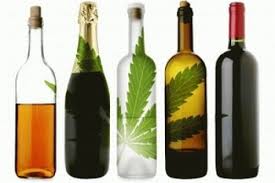
alcohol abuse, marijuana use
A recent study performed by New York University researchers documents the psychosocial impacts of marijuana use and alcohol use among high school seniors. The study can be found in the American Journal of Drug and Alcohol Abuse as well as online sources. Some of the students who were involved in the Monitoring the Future Study were chosen to represent a national sample of seniors in high school across the country for this study. According to one of the study researchers, Joseph J. Palamar, Ph.D., M.P.H., “The paucity of research is of particular public health concern as alcohol and marijuana are the two most commonly used psychoactive substances among adolescents. Nearly half of high school seniors have used marijuana in their lifetime and over two-thirds have used alcohol, but few studies have compared adverse psychosocial outcomes of alcohol and marijuana directly resulting from use. The most alarming finding was that alcohol use was highly associated with unsafe driving, especially among frequent drinkers.
The latest study on marijuana use, alcohol abuse, and high school seniors shows that both drugs affect teens in different ways. Alcohol abuse among teens tends to interfere with social and personal relationships, and females who drank were far more likely to report feeling regret for their actions when drinking after they sober up. Marijuana use caused problems in educational and professional relationships rather than personal ones, and teens who used marijuana reported having less energy and a lower performance while at school or on the job. Palamer went on to say that “Not unexpectedly, we found that the higher the frequency of use, the higher the risk of reporting an adverse outcome. In particular, the relationship between frequent alcohol use and regret was much stronger than the relationship between frequent marijuana use and regret.”
Rehab Articles

addiction, prescription medication abuse
Prescription medication abuse and addiction is a problem that occurs at almost all ages and income levels, and it is a problem that many people struggle with on a daily basis. In some cases the prescribed medicines are needed initially, but as time goes on the individual starts to engage in prescription medication abuse in order to get the same effects because they have built up a tolerance to the drugs. Eventually a full blow addiction occurs, and the user may search for drugs on the street because their physician will no longer prescribe the medications. This can also lead to doctor shopping, with the user visiting several physicians and clinics in order to obtain the drug that they are addicted to.
There is no specific age or income level that is at a higher risk for prescription medication abuse and addiction. This problem can be found at almost any age, and it occurs at almost every income level. There is a misconception that only low income individuals abuse prescription drugs, when the truth is that even high level professionals like doctors, lawyers, and pilots engage in this activity. Professionals may be more careful to hide prescription medication abuse and addiction out of fear that they will lose their licenses and practices, but they are just as susceptible to this problem as people who live in poverty. In fact those with higher incomes can afford their addiction more readily than lower income individuals, but these people can also usually afford to pay for treatment that is more effective as well.
Rehab Articles
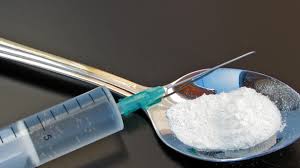
heroin abuse, heroin overdose
Heroin abuse is a very destructive cycle, and heroin overdose is usually accidental and often fatal. The person using the drug never intends to harm or kill themselves with the shot or the line of powder, they are simply trying to feed their addiction. A tiny miscalculation can be deadly though, and when the person with a heroin abuse problem has tried to stay clean their tolerance for the drug drops. This is one of the most common causes for a heroin overdose, and recovering addicts who leave treatment and then relapse are at a very high risk for an overdose death because they are actually clean and sober for the first time in months or even years. This increases their risk for overdose because their tolerance for heroin abuse is gone.
Those who are lucky enough to survive a heroin overdose need counseling and treatment, and so do family members and friends who have been exposed to the behavior. Individuals who find a loved one who has had a heroin overdose are traumatized, and that is an image that does not seem to fade away. Heroin abuse hurts everyone, not just the user, and this is a drug that destroys families and lives. There are many negative emotions that must be worked through, and counseling can help. The individual who engages in heroin abuse must receive effective treatment and work through their issues, otherwise they will not recover fully and will eventually end up relapsing. This can cause a fatal heroin overdose to occur, and the survivors are left with nothing but questions and guilt.
Rehab Articles
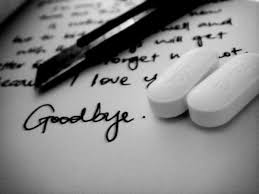
substance abuse, violence, suicide
There are proven links between substance abuse, violence, and suicide. Drug and alcohol abuse increase the risk that an individual will either become violent towards others or attempt to take their own life. There is some ambiguity in the studies and statistics though, because individuals who have substance abuse issues may also suffer from mental disorders that can play a role as well. Anyone who has an undiagnosed mental illness may turn to drugs or alcohol as a way to self medicate, and in these situations it can be hard to determine what was caused by the substance abuse and which actions and behaviors are actually the result of an underlying mental disorder that has not been accurately diagnosed and effectively treated.
Substance abuse has the ability to lower inhibitions, and in some cases violence is the result of this. When someone is drunk or high they may lash out in ways that would not occur when the individual is sober. Acts of violence may also increase the risk of suicide, especially if the individual feels that they can not control violent tendencies. If the person feels depressed or has emotional pain on a constant basis then this can also cause suicidal thoughts. When substance abuse is added into the mix then the person is more likely to act on an impulse to harm themselves or others because the drugs or alcohol use eliminates any restraint that they might have. Since around 90% of suicide attempts can be linked to mental illness it is important that any mental disorders are accurately diagnosed and substance abuse is avoided.
Rehab Articles

Internet addiction, online addiction help
1. Anxiety- Anxiety can be one of the biggest risk factors for Internet addiction. Many people who have anxiety go online in order to provide a distraction, and someone who is obsessive compulsive may find that they are constantly checking messages and emails on a regular basis. Going online may seem less threatening than interacting with actual people in the real world.
2. Unhappy Teenagers- Unhappy teenagers are one of the groups that need online addiction help more often. When teenagers are unhappy or bored then the online world may seem very appealing or exciting, and it can be easy for teens to lose touch with reality.
3. High Levels of Stress- Many people who have an Internet addiction of some type also have high levels of stress. It may seem like using the Internet helps you relax and relieve stress but this is not true, and being online can contribute stress instead of eliminating it.
4. Other Addictions- If you need online addiction help then you may have other addictions as well. Often people who have one addiction are more prone to others as well, and they may have a compulsive or addictive personality. If there are substance abuse issues, eating disorders, or other addictions then online issues may also occur.
5. Depression- If you suffer from depression then you are also more likely to experience an Internet addiction as well. When you become depressed you may go on the Internet to try to boost your mood but this will not work to cause your depression to go away.