Rehab Articles

secondhand marijuana smoke, drug screen results
A new research study has shown that secondhand marijuana smoke is highly unlikely to cause positive drug screen results, although in some cases this may be an issue. If an individual is exposed to large amounts of secondhand marijuana in a room that has no ventilation at all the I is possible for the individual to have positive drug screen results without actively smoking the drug, but only for 6-24 hours after being exposed. This is very rare according to John Hopkins University researchers who performed the study. The researchers used 6 participants who were experienced at smoking marijuana, and 6 participants who did not use the drug at all. There were 3 sessions, 2 were performed in a sealed room and the third session occurred in a well ventilated room. The non smoking participants were seated in the same room next to the marijuana smokers in each session.
The non smoking participants were tested at least 13 times during the 34 hours following their exposure to secondhand marijuana smoke, and only 1 individual in the study who did not smoke marijuana had positive drug screen results using the standard workplace testing methods. When a more sensitive drug test was used the researchers were able to detect very low THC levels in some participants but the positive results only occurred within 24 hours of exposure to secondhand marijuana smoke. Those who did not smoke and who were in a ventilated room did not come anywhere near the threshold required for a positive drug screen in the workplace.
Rehab Articles

pathological gambling, altered opioid system in the brain
The latest research shows that pathological gambling can result in an altered opioid system in the brain, and there is a link between this activity and the way that the brain of the compulsive gambler responds. UK researchers believe that this may show why compulsive gambling leads to addiction. The study and results were presented at the European College of Neuropsychopharmacology Congress in Berlin. The study involved 29 participants, 15 who were healthy and who did not have a problem with compulsive gambling as well as 14 participants who were already pathological gamblers. PET scans were used to measure the levels of opioid receptors in the brain of the study participants. The results showed that compulsive gambling did not increase the level of opioid receptors in the brain, unlike addiction to heroin and other drugs where there are more opioid receptors with addiction to the substance.
While the pathological gambling study showed an altered opioid system in the brain the changes were not due to an increase in the opioid receptors in the brain tissue. Each study participant was then given a tablet of amphetamine to release endorphins in the brain. The compulsive gamblers released a lower amount of endorphins than the healthy volunteers did. According to Dr. Inge Mick who led the research study “From our work, we can say two things. Firstly, the brains of pathological gamblers respond differently to this stimulation than the brains of healthy volunteers. And secondly, it seems that pathological gamblers just don’t get the same feeling of euphoria as do healthy volunteers. This may go some way to explaining why the gambling becomes an addiction.”
Inge continued by saying “Looking at previous work on other addictions, such as alcoholism, we anticipated that pathological gamblers would have increased opiate receptors, which we did not find, but we did find the expected blunted change in endogenous opioids from an amphetamine challenge. These findings suggest the involvement of the opioid system in pathological gambling and that it may differ from addiction to substances such as alcohol. We hope that in the long run this can help us to develop new approaches to treat pathological gambling.”
Rehab Articles
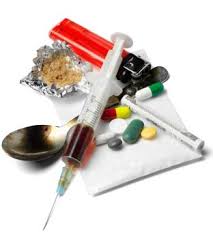
National Drug Facts Week, substance abuse among teens
Substance abuse among teens in North America is high, and the National Institute on Drug Abuse which is a component of the National Institutes of Health is trying to lower these rates each year with National Drug Facts Week. This year the event will start on January 26, 2015 and end on February 1, 2015. Teens and experts in the scientific community are brought together with the goal of increasing awareness and preventing substance abuse among teens. National Drug Facts Week has community based events, online access to web portals and substance abuse information for teens, and other resources. In 2014 the event sponsored over 1,000 community based events during the week, and reached many thousands of teens. The current rate of substance abuse among teens is unacceptable, and the events are designed to make teens think before they drink or do drugs and to provide the real facts behind substance abuse to dispel common myths.
According to Dr. Nora D. Volkow, who is the Director for the National Institute on Drug Abuse, explained why this week long event is so important and how it can lower substance abuse among teens. “National Drug Facts Week has been growing every year, from 92 events at its inception almost five years ago. This tells us how much teens – who are bombarded daily with misinformation about drugs – want science-based facts about drug use.” Michael Botticelli, the Acting Director of ONDCP, stated “President Obama’s vision is for all of America’s children to grow up in healthy and safe communities. This administration’s drug policy is based on neuroscience, and we are committed to informing young people and health care professionals about the negative consequences drug and alcohol use can have on their futures.”
Rehab Articles
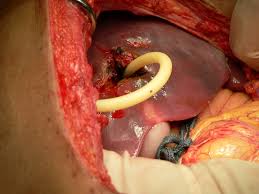
research study, binge drinking
A new research study performed at the University of Missouri shows that binge drinking can alter liver proteins, and this can cause cancer and cirrhosis of the liver. According to the lead research study author, Shivendra Shukla, Ph.D., “We know that chronic alcohol use is damaging to the liver, but binge drinking amplifies that damage. Our latest research shows that epigenetic modifications in histone structures occur within the liver as a result of heavy binge drinking. Epigenetic alterations are changes in genes that are not caused by changes in the DNA sequence or genetic code.” Binge drinking causes liver tissues to undergo genetic changes, and one of the most common factors with chronic liver failure is excessive alcohol consumption. The damage to the liver that is caused by excessive drinking can not be repaired or reversed.
The research study on binge drinking and liver damage can be found in the journal Hepatology International. Dr. Shukla also stated “Every response in the body is due to alterations in proteins. Binge drinking is an environmental trigger that negatively affects histones by altering the correct binding of DNA. The result is unnecessary replication in the copied structure. This initially causes inflammation and damage to the cells as they form, but it is also eventually the cause of more serious diseases such as cirrhosis and cancer.” The study author also explained “Binge drinking can create an inflammatory response in the liver that is like a cluster bomb, sending out various damaging signals to other organ systems in the body. If those organs are working at a lower level of function, then a whole host of physiological processes are affected as a consequence of binge drinking.”
Rehab Articles

alcohol abuse, alcoholism
1. One of the most common signs of alcohol abuse is drinking excessively. This may mean drinking to get drunk or consuming alcohol until you become unconscious and pass out. Binge drinking does not usually occur every day but it is an indication that there is a problem with alcohol abuse that needs to be addressed.
2. One of the symptoms of alcoholism is needing to drink on a daily basis. If you find that you can not relax after work without having at least one drink, or you feel the need to drink at the same time every day, then substance abuse treatment is needed.
3. Alcohol abuse treatment may be needed if you find that you have an urge to drink whenever you are under pressure or the stress of daily life gets too high. Sometimes individuals turn to alcohol in order to cope with these pressures and that can lead to abuse.
4. One sign of alcoholism is continuing to drink even though this interferes with your daily life and responsibilities. If you find that you are having problems at work, school, or home because of your alcohol consumption yet you continue to drink then this is an indication that you need treatment for substance abuse.
5. Typically alcohol abuse causes relationship problems. If you hide how much or how often you drink from family and friends in order to avoid any arguments or problems then this means you are probably abusing alcohol. Being secretive and hiding your drinking habits is a sign of a problem that needs to be resolved.