Rehab Articles

1. If you are struggling with one of the eating disorders then set up extra support options during the season. This will allow you to call or visit someone when you are tempted to give in or you are struggling to cope with negative thoughts or emotions. Reach for the phone instead of the food and give your support person a call.
2. Ask someone that you trust to act as a reality check for you during the holidays when it comes to food. This individual can help prepare a plate for you, recommend whether your portion sizes are correct, and even help you determine when you have had enough or if your food intake is not sufficient.
3. People who struggle with eating disorders need to place a focus on time spent together. Plan an event where the food items offered are less important than the activities and events scheduled. Invite others to an evening of holiday games and cheer, with non alcoholic beverages and healthy nibbles for them to snack on.
4. Make sure that you give yourself plenty of down time during the holidays. This time of year can mean many invitations and events to attend, leaving you short on time that you need to relax and unwind. Learn to say no and politely decline invitations that are not a priority for you. When you are tired or stressed you are more likely to give in to unhealthy eating patterns so avoid these factors at all costs.
Rehab Articles

1. Dealing with eating disorders during this season can be hard, but it will be easier if you eat regularly and plan ahead when you will be attending social events. It is a mistake to skip meals or to eat in a pattern that is not reasonable because you may have indulged before.
2. Carefully choose the events that you attend during the holidays. Before you go eat something so that you do not arrive famished. This will help you stick to the plan and the foods that are acceptable and help you avoid overeating or being tempted in other ways. It is okay to turn down invitations if you feel the events pose a risk to your recovery and well being.
3. Talk about any questions or anxieties that you have concerning eating disorders with your treatment team and your support group ahead of time. These individuals may be able to help you get through the season without any additional problems, and keep you on track with your treatment plan.
4. Before you go anywhere for the holidays know what to expect and make sure that there are no unpleasant surprises. If you have a binge eating disorder then going to a cookie swap party may be a bad idea and it may be better to decline this invitation so that you are not tempted to give in.
5. Focus on fun instead of food. Spending time with family and friends can help you enjoy the season without the focus always being on what is served and what you eat. Bring along a few healthy snacks to nibble on during the event. If anyone asks simply tell them you are currently following a special diet that your doctor recommended.
Rehab Articles

According to a recent study bipolar disorder may be linked with having low levels of specific Omega 3 fatty acids which are able to cross the blood brain barrier. Pennsylvania State College of Medicine researchers, together with National Institutes of Health investigators, believe that the study results could lead to effective dietary interventions for this mental health disorder. It is too soon for investigators to understand whether there is a cause and effect between these two factors or if the link between Omega 3 fatty acids and bipolar disorder simply shows that those with this disorder convert Omega 3’s at a lower or different rate than individuals without bipolar. These fatty acids have a large biological significance in the way that the brain functions. Studies in the past have shown that many with unipolar depression can benefit from more of these fatty acids but the results with bipolar disorder have not been as clear.
Pennsylvania State College of Medicine psychiatry chair, associate professor, and bipolar disorder and omega 3 fatty acids study leader Dr. Erika Saunders explained the findings. “This means that the availability of omega-3 in the body is lower in bipolar subjects. Omega-3 and omega-6 fatty acids can shift the balance of inflammation, which we think is important in bipolar disorder. We are actively pursuing the next step in this line of inquiry to get to the point where we know what changes in diets are going to help people with bipolar disorder so they can have another option beyond the medications that are currently available. I think our work, along with the work of others, shows that this is an important area for us to continue to study. It’s complicated and hard to study, and there are a lot of factors, but it’s an area we need to keep pursuing.”
Rehab Articles
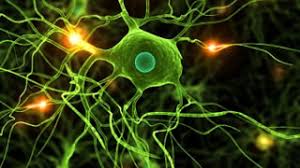
Researchers have recently determined that neurochemical imbalances linked to 2 different neurochemical systems in the brain cause PTSD susceptibility. Uppsala University and the Karolinska Institutet in Stockholm, Sweden, researchers and investigators teamed up to identify the causes and linked associations with PTSD and what they found was not surprising. The more out of balance these 2 neurochemical systems are the more severe the post traumatic stress disorder symptoms can be. In the past research has shown that those who suffer from PTSD have brain function and physical brain anatomy that is changed and altered when compared to those who do not have this condition. The systems in the brain affected by PTSD include serotonin and a chemical termed substance P. The researchers used PET imaging scans in order to determine the link between these 2 neurochemical systems and PTSD. When these systems are not properly balanced then one or both signaling systems can cause symptoms of post traumatic stress disorder.
The study results on neurochemical system imbalances and PTSD were published and can be found in the Molecular Psychiatry journal. According to Uppsala University Department of Psychology researcher and lead study author Andreas Frick “At present, PTSD is often treated with selective serotonin re-uptake inhibitors (SSRIs) which have a direct effect on the serotonin system. SSRI drugs provide relief for many but do not help everybody. Restoring the balance between the serotonin and substance P systems could become a new treatment strategy for individuals suffering from traumatic incidents.” The study showed that the level of imbalance between the different neurochemical signaling systems will determine how severe the PTSD symptoms become.
Rehab Articles

Psychiatric medications often have many possible side effects, most of which are rare and can be managed by working with the physician and mental health specialist involved in the case. There are some common side effects that may be unavoidable though, leaving patients no choice but to learn how to live with these issues in order to maintain their mental health. Changes in taste, dry mouth, memory problems, and even frequent urination and a sudden urge to urinate are all common side effects for most if not all psychiatric medications. Anyone who has ever sat in on a therapy group with individuals who take this class of drugs understands that these problems are very real and very common. There are ways to alleviate these symptoms or manage them so they are not as troublesome.
One of the common side effects with psychiatric medications is a change in taste, and this is one that may be difficult to live with. Patients report that foods which they used to enjoy now taste different, or even have a foul taste to them. This can create a big problem because proper nutrition is important for both mental and physical health. It can take time to adjust to the changes in your taste and in the meantime food and drink may not be very appealing. Dry mouth and frequent thirst can be managed easily by keeping liquids available at all times. Frequent urination and the sudden urge to go can be managed by using the bathroom more often. Psychiatric medications affect the way that the brain thinks and functions, and it is common for these drugs to interfere with memory on some level. If the memory problems become severe then the drugs used may need to be adjusted or changed to minimize this side effect. Have you ever experienced any of these common side effects? If so which ones? How did you deal with it?
Rehab Articles

1. Hidden depression is a mental disorder that is not always obvious, but there are some warning signs that you can watch for. One sign that this condition may be a problem is having patterns that deviate from normal at times. You may notice that you or a loved one develop unusual sleeping habits, changes in eating patterns, or even a difference in the level of consumption or abuse that occurs. The changes may be small at first but if the depression is not addressed these changes could become more severe as time goes on.
2. One sign of mental health problems that can include hidden depression is a level of optimism that is lower than normal for the person involved. If you or a loved one start to be less optimistic about normal situations and events this this can mean you could actually be starting to spiral and are depressed, whether this is something you are willing to admit to yourself or not. A loss of optimism should be taken seriously because it is a reflection of how your thoughts and mental processes are changing as a result of the condition.
3. One of the most common hidden depression warning signs is forced happiness, and a desire to avoid being in social situations with other people. These individuals try to appear happy when they are with others but if this goes on for any length of time the mask of happiness will start to slip and the true emotions of the individual may start to show. It is also very common for these individuals to make excuses about declining social invitations so that they are not forced to try and show happiness when this is not what they truly feel.