Rehab Articles

If you know someone who is suffering from depression or similar mental disorders there are some things that you should always avoid saying. These phrases and responses can be very harmful and cause your loved one to suffer even more pain and other negative emotions.
1. All you need is ……. This response can be especially harmful and damaging because you are minimizing the experience that the person is having. Someone who is depressed does not want to be that way, but they can not change their emotions and thoughts. Refusing to acknowledge the seriousness of the situation can make things worse instead of better.
2. Think about people who have it worse than you do. This is a response that basically says the person with mental disorders like depression chooses to feel and think the way that they do. If this condition was voluntary no one would ever be depressed. Wealth, material things, and even love from friends and family alone can not make depression go away.
3. I know what you are feeling because one time I was depressed too. Just because you felt sad when a favorite pet died or you had a rough patch when things didn’t go your way this is not the same as being clinically depressed. Comparing a brief period of sadness to profound depression is like comparing apples and cars, it is not possible because they are two completely different things.
Someone who is depressed needs professional help, not tough talk or fake sympathy. If you can not say something supportive it may be better to say nothing at all.
Rehab Articles

Depression is an equal opportunity mental disorder, and it affects both sexes, all ages, and all income levels without discrimination. Some of the most supportive things to say if someone that you know and care about suffers from this condition include:
1. Nothing. If your friend or loved one is having a tough time and is depressed sometimes the best thing to say and the most supportive solution is to say nothing at all and just listen instead. We all need a sympathetic ear and a sounding board once in a while, and just being there and listening can be incredibly helpful for someone who is depressed.
2. I am always available if you need me. This statement lets the individual know that you care and that you want to help, but make sure to follow up and check in on the individual often to see if you are needed.
3. Lets go somewhere and do something together. Someone who is depressed may start to withdraw socially, isolating themselves. In addition the person who is depressed may end up in a negative cycle, obsessing over the past or certain events. Offer to do something together that you both enjoy. Go to a movie, play a game, or even just go for a walk through your local park.
4. I don’t know what depression is like but I know it is hard for you. These simple words can have an enormous impact, and they can be one of the most supportive things to say. You are acknowledging the pain, loneliness, and withdrawal that the person feels without trying to pretend that you understand these feelings and emotions.
Rehab Articles

Talk therapy, also called psychotherapy, can be very effective yet this type of treatment is not often used when it comes to treating bipolar disorder. This disorder includes both manic ups and depressive downs, and the most common treatment for this disorder is a drug called lithium. In fact this drug was considered so effective when it was first available on the market that many mental health professionals use it as the first line of treatment. Today talk therapy is used for a wide range of mental disorders and conditions, but it is rarely used with bipolar disorder patients and this can be a big mistake. Too often professionals reach for a prescription pad in order to solve a problem when other methods may be just as effective.
Talk therapy does not have any dangerous side effects that can be a risk with drugs to treat bipolar disorder, and mental health professionals are starting to change their views on using this therapy. University of Pittsburgh School of Medicine in Pennsylvania associate professor of psychiatry Holly A. Swartz, M.D explained this change in the journal called Focus. Swartz said “Toward the end of the 20th century, it became increasingly apparent that medication offered only partial relief from bipolar disorder. Treatment with pharmacologic interventions alone was associated with disappointingly low rates of remission, high rates of recurrence, residual symptoms, and psychosocial impairment.. Gradually, the field moved from conceptualizing bipolar disorder as a disorder requiring only medication to an illness that, like many chronic disorders, is best treated using a combination of pharmacotherapy and psychotherapy.” Do you think talk therapy should be used before drugs are prescribed? Why or why not?
Rehab Articles

Antipsychotic drugs are commonly prescribed for those who have been diagnosed with schizophrenia, but recent research shows that these drugs can cause brain structure changes when they are used for a long term period. University of Brescia in Italy psychiatry professor and Spedali Civili Hospital psychiatric unit director Dr. Antonio Vita discussed the new research and stated “The role played by antipsychotic treatment on the pathophysiologic trajectory of brain abnormalities in schizophrenia is currently a matter of lively debate.” The study showed that more gray matter in the brain was lost when patients were placed on first generation antipsychotic drugs than what was lost when second generation drugs in this category were used. First generation drugs work differently in the body than second generation drugs in this class do, and that is a possible reason for the difference in gray matter volume and loss.
Dr. Vita treats patients with schizophrenia, and he has seen the imaging results which show the brain structure changes when antipsychotic drugs are used on a long term basis. Vita explained the new research by saying “Although this is a clinically meaningful result, many issues remain to be clarified. For instance, we still do not know whether the effects on the brain of antipsychotics vary as a function of age and stage of illness, or whether they may occur only when a certain threshold of exposure — daily dose or cumulative dose — is reached.. Clarification of these issues will have crucial importance in the clinical management of schizophrenia and will allow a better understanding of the mechanisms underlying the progression of structural brain abnormalities in the disease.” Have you or someone you know ever used these drugs?
Rehab Articles

A number of research studies have shown that probiotics are an important food group that can offer mental health benefits. The study results have shown that individuals who have more good bacteria in their intestines and digestive system tend to have better mental as well as physical health, but why? How does bacteria in your gut affect your mental health? Which foods have probiotics in them? What about supplements? All of these are questions that you probably need answered. More beneficial bacteria in your digestive system promotes faster and more effective detoxification, a stronger immune system, and other positive benefits. People who include more probiotics in their diet generally have fewer negative thoughts, they are less anxious, and they have a better mood than individuals who do not regularly eat fermented foods which naturally contain large numbers of probiotics.
In the studies on probiotics and mental health researchers found that people who did not consume these beneficial bacteria as part of their regular diet had lower levels of brain activity in areas of the brain associated with emotion as well as other functions. An increase in foods with probiotics increased the activity in these brain areas. Foods that are rich in probiotics are usually foods which have been fermented. Yogurt, kombucha, kimchi, and sauerkraut are all foods that have a lot of probiotics in them. When purchasing yogurt make sure that the product actually has live probiotic cultures in order to get the benefits of these good bacteria, some commercial yogurts may have little if any live bacteria cultures.
Rehab Articles
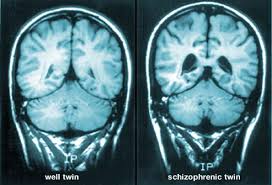
When it comes to schizophrenia early intervention is very important. This step can help improve the quality of life for the patient, reduce the need for extensive and costly hospitalization due to this mental disorder, and improve the treatment outcome. With all of these benefits there is a shortage of early intervention programs and efforts that can make a difference. As soon as someone with schizophrenia starts to show signs that the mental disorder is worsening intervention should occur to prevent the symptoms from becoming worse. As this disorder progresses the individual may lose touch with reality, and it is common for hallucinations and delusions to occur when the disease worsens. These symptoms may put the patient at risk of harming themselves or others, leading to the need for hospitalization.
Early intervention when the first symptoms of schizophrenia start to show can make the difference between a hospital stay that could last for weeks or even months and the ability to stay out of the hospital and lead a better and more productive life. According to National Alliance on Mental Illness medical director and psychiatrist Ken Duckworth “All we ever saw in the ‘80s was the equivalent of stage 4 schizophrenia. It would be as if you were an oncologist, and all you saw were people with metastatic breast cancer.” Until now the focus has been on treating patients after symptoms worsen, but hopefully this will change and more public funding and support will be provided for early intervention programs as well. Do you know someone with schizophrenia who needs help?