Rehab Articles
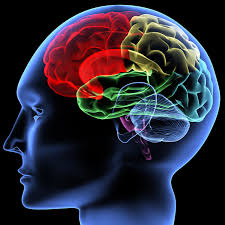
1. Migraine headaches or body aches and pains that occur frequently, but for which no medical cause can be found. Depression and other forms of mental illness can include physical symptoms that are caused by the mental disorder. If your physician can not find anything wrong but you continue to have these aches and pains then it may be time to consult a mental health expert.
2. If you start to experience frequent nightmares, have night terrors, or experience flashbacks then this is an indication that something is going on and you should seek help to determine the cause. These symptoms are common after experiencing a trauma, and they may go away with counseling as you work through the underlying issues causing these symptoms. Sometimes medication may be needed during the initial stages to combat anxiety and physical responses to the nightmares or flashbacks.
3. Thoughts of harming yourself that involve intent and a plan to carry out your thoughts mean an immediate mental health evaluation should be performed. If an adolescent expresses these thoughts, or they show intent, then this should be taken seriously. A common mistake is not believing someone who voices these things, and the consequences could be devastating.
4. Becoming extremely preoccupied with certain things can also signal the onset or existence of a mental illness. Someone who becomes very preoccupied, almost obsessed, with their appearance, or with things like money, crime, or even sex, may have a mental disorder that requires treatment. If no treatment s received these preoccupations can lead to risk taking and other actions that have a negative impact on your life and health.
Rehab Articles

There are certain symptoms that indicate a mental health evaluation should be sought. These symptoms are not a definite diagnosis but they do show areas of concern that should be checked out by a mental health professional.
1. Frequent Aggression- This is one of the symptoms that may indicate a mental health evaluation is needed. The aggression can be verbal or physical. Some people have a shorter fuse than others, and some people seem to be angry from the minute that they are born. If you frequently lash out at other people, if your aggression is placing your relationships, job, or living arrangements at risk, or it has other negative consequences then you should talk to a mental health professional.
2. Frequent Depression- If you have more blue days than good ones it may be time to seek professional help. You may notice problems with sleeping, eating, or both. A professional can screen you for clinical depression and related conditions.
3. Constant Fatigue or Chronic Exhaustion- If you always seem worn out or you are frequently exhausted even though you have not done anything physically exerting then you may be depressed without realizing it, or there could be a physical cause behind the symptoms that needs to be addressed.
4. Risky Behaviors- Risk taking can be one of the symptoms of a mental disorder that requires a mental health evaluation. It is important to remember that some people take enormous risks right from early childhood even though they do not suffer from a mental health condition.
Rehab Articles
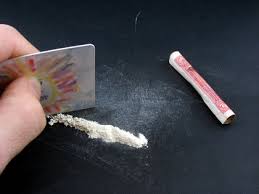
A new study on recidivism, published in the Health and Justice journal from Springer, shows that mental illness and substance abuse both raise the rate of recidivism among ex-prisoners. The study showed that ex-convicts who had a history which involved mental illness, substance abuse, or extreme poverty also had a much higher risk of ending back in prison. The study also showed that people who are chronically ill, who have attempted suicide, or who are obese are less likely to end up back in prison once they are released. University of Melbourne in Australia researcher Emma Thomas, M.Sc., led the study, which included analyzing interviews with more than 1,300 prisoners. These prisoners were interviewed both before and after their initial release, and they all came from 7 Queensland, Australia prisons.
Mental illness, substance abuse, and poverty factors were discussed in the interviews. The study found that those who had reported using cannabis, opioids, or methamphetamine before being sent to prison, and those who were convicted of a drug related crime, had a much higher risk of returning to prison once they are released. Substance abuse and mental illness are often present in the same individual. Participants who lived below the poverty level, and those who did not place an importance on staying healthy, were also more likely to head back to prison once they were released. According to Thomas “Many of the factors identified are easily measurable prior to release from prison, and could inform improvements to transitional planning without the need for additional, in-depth assessment. Most of these predictors are also modifiable and could potentially serve as targets for re-entry interventions.”
Rehab Articles

A University of Montreal study has produced some suggestions about how to delay or even prevent marijuana use among high risks kids, and one answer may be short CBT sessions. Kids most at risk for using marijuana are typically prone to negative thinking and anxiety. Some believe this is why this group engages in marijuana use. Kids and adolescents who are highly impulsive or who are sensation seekers are also at a very high risk for substance abuse. It has been suggested that marijuana users may have a higher risk of neurocognitive deficits, psychiatric symptom exacerbation, psychosis precipitation, a lower educational attainment and occupational attainment, and motor vehicle accidents. Adolescents are at the highest risk because brain development is still occurring.
Lead study researcher Dr. Patricia Conrod explained the findings and suggestions. “Marijuana use is highly prevalent among teenagers in North America and Europe. As attitudes and laws towards marijuana are changing, it is important to find ways to prevent and reduce its use among at-risk youth. Our study reveals that targeted, brief interventions by trained teachers can achieve that goal. There were signs that the program delayed onset and reduced frequency of cannabis use in all youth who participated in the interventions, but the results also consistently showed that the program was particularly effective in preventing cannabis use among those most at risk of using — sensation seekers.”
The study regarding CBT sessions, marijuana use, and high risk kids provided interesting insight. First study author Ioan T. Mahu stated “The students voluntarily participated in two 90-minute cognitive-behavioral sessions that were adapted to their specific personality type. These sessions involved learning from real-life scenarios described by other at risk youth, and were designed to show how people manage risk. Cannabis was not directly mentioned but was discussed if the students brought it up.”
Rehab Articles

There are many alcohol abuse facts that you may not know. For instance did you know that every individual is different when it comes to how much alcohol they can consume before they start to feel the effects? Individuals who have built up a tolerance for alcohol because of their substance abuse may be able to drink large amounts of alcohol without seeming to be impaired. This is regardless of size or weight. Another interesting fact is that there is a large percentage of people who know they have a problem with alcohol abuse yet they never seek treatment for this problem. Sometimes this is because they are ashamed, at other times the individual does not really want to stop drinking.
Treatment for alcohol abuse, unlike some types of substance abuse, may require medical detox. Over time as you drink your body actually develops a physical tolerance to this substance. If you drink a lot for a long time and then you just quit cold turkey you could end up with life threatening withdrawal symptoms. These can include seizures, DTs, and other problems. A treatment program that provides medical detox will have medical staff on site so that any dangerous withdrawal symptoms can be treated with the appropriate medications. If you have a problem with alcohol abuse you need help. If you have been through treatment before and you need further rounds this may indicate that the previous program was not effective. Many people only succeed when they find the right program and the best possible treatment methods.
Rehab Articles
There are a number of important factors that have to be examined with any dual diagnosis. This type of diagnosis is used if you have some form of mental illness along with some type of substance abuse. This can be someone who is bipolar and who abuses alcohol to try and manage their mental illness. It is very common to find substance abuse and mental illness in the same patient, and these two conditions often go together. The first factor that needs to be looked at is what the specific symptoms are. This will help diagnose the mental illness component so that both issues can be effectively treated. If only half of the problem is resolved you will eventually end up right back where you started and suffer a relapse.
Once the proper dual diagnosis has been made, one that identifies both the substance abuse and the mental illness, then the next factor is the right treatment program for your specific treatment needs. There are great programs that specialize in dual diagnosis treatment, but there are also some which do not have the knowledge and resources available to treat these types of cases. Do you have health insurance? If so will it cover the program that you have chosen? If not can you afford to pay the cost? These are important questions to ask. Some of the most effective treatment programs can run tens of thousands of dollars a month. On the other hand just because a program costs this much that does not make it the most effective.