Rehab Articles
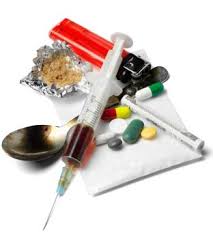
National Drug Facts Week, substance abuse among teens
Substance abuse among teens in North America is high, and the National Institute on Drug Abuse which is a component of the National Institutes of Health is trying to lower these rates each year with National Drug Facts Week. This year the event will start on January 26, 2015 and end on February 1, 2015. Teens and experts in the scientific community are brought together with the goal of increasing awareness and preventing substance abuse among teens. National Drug Facts Week has community based events, online access to web portals and substance abuse information for teens, and other resources. In 2014 the event sponsored over 1,000 community based events during the week, and reached many thousands of teens. The current rate of substance abuse among teens is unacceptable, and the events are designed to make teens think before they drink or do drugs and to provide the real facts behind substance abuse to dispel common myths.
According to Dr. Nora D. Volkow, who is the Director for the National Institute on Drug Abuse, explained why this week long event is so important and how it can lower substance abuse among teens. “National Drug Facts Week has been growing every year, from 92 events at its inception almost five years ago. This tells us how much teens – who are bombarded daily with misinformation about drugs – want science-based facts about drug use.” Michael Botticelli, the Acting Director of ONDCP, stated “President Obama’s vision is for all of America’s children to grow up in healthy and safe communities. This administration’s drug policy is based on neuroscience, and we are committed to informing young people and health care professionals about the negative consequences drug and alcohol use can have on their futures.”
Rehab Articles
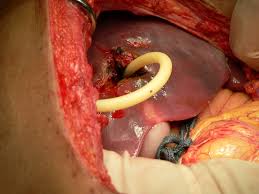
research study, binge drinking
A new research study performed at the University of Missouri shows that binge drinking can alter liver proteins, and this can cause cancer and cirrhosis of the liver. According to the lead research study author, Shivendra Shukla, Ph.D., “We know that chronic alcohol use is damaging to the liver, but binge drinking amplifies that damage. Our latest research shows that epigenetic modifications in histone structures occur within the liver as a result of heavy binge drinking. Epigenetic alterations are changes in genes that are not caused by changes in the DNA sequence or genetic code.” Binge drinking causes liver tissues to undergo genetic changes, and one of the most common factors with chronic liver failure is excessive alcohol consumption. The damage to the liver that is caused by excessive drinking can not be repaired or reversed.
The research study on binge drinking and liver damage can be found in the journal Hepatology International. Dr. Shukla also stated “Every response in the body is due to alterations in proteins. Binge drinking is an environmental trigger that negatively affects histones by altering the correct binding of DNA. The result is unnecessary replication in the copied structure. This initially causes inflammation and damage to the cells as they form, but it is also eventually the cause of more serious diseases such as cirrhosis and cancer.” The study author also explained “Binge drinking can create an inflammatory response in the liver that is like a cluster bomb, sending out various damaging signals to other organ systems in the body. If those organs are working at a lower level of function, then a whole host of physiological processes are affected as a consequence of binge drinking.”
Rehab Articles

alcohol abuse, alcoholism
1. One of the most common signs of alcohol abuse is drinking excessively. This may mean drinking to get drunk or consuming alcohol until you become unconscious and pass out. Binge drinking does not usually occur every day but it is an indication that there is a problem with alcohol abuse that needs to be addressed.
2. One of the symptoms of alcoholism is needing to drink on a daily basis. If you find that you can not relax after work without having at least one drink, or you feel the need to drink at the same time every day, then substance abuse treatment is needed.
3. Alcohol abuse treatment may be needed if you find that you have an urge to drink whenever you are under pressure or the stress of daily life gets too high. Sometimes individuals turn to alcohol in order to cope with these pressures and that can lead to abuse.
4. One sign of alcoholism is continuing to drink even though this interferes with your daily life and responsibilities. If you find that you are having problems at work, school, or home because of your alcohol consumption yet you continue to drink then this is an indication that you need treatment for substance abuse.
5. Typically alcohol abuse causes relationship problems. If you hide how much or how often you drink from family and friends in order to avoid any arguments or problems then this means you are probably abusing alcohol. Being secretive and hiding your drinking habits is a sign of a problem that needs to be resolved.
Rehab Articles
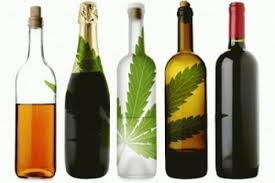
alcohol abuse, marijuana use
A recent study performed by New York University researchers documents the psychosocial impacts of marijuana use and alcohol use among high school seniors. The study can be found in the American Journal of Drug and Alcohol Abuse as well as online sources. Some of the students who were involved in the Monitoring the Future Study were chosen to represent a national sample of seniors in high school across the country for this study. According to one of the study researchers, Joseph J. Palamar, Ph.D., M.P.H., “The paucity of research is of particular public health concern as alcohol and marijuana are the two most commonly used psychoactive substances among adolescents. Nearly half of high school seniors have used marijuana in their lifetime and over two-thirds have used alcohol, but few studies have compared adverse psychosocial outcomes of alcohol and marijuana directly resulting from use. The most alarming finding was that alcohol use was highly associated with unsafe driving, especially among frequent drinkers.
The latest study on marijuana use, alcohol abuse, and high school seniors shows that both drugs affect teens in different ways. Alcohol abuse among teens tends to interfere with social and personal relationships, and females who drank were far more likely to report feeling regret for their actions when drinking after they sober up. Marijuana use caused problems in educational and professional relationships rather than personal ones, and teens who used marijuana reported having less energy and a lower performance while at school or on the job. Palamer went on to say that “Not unexpectedly, we found that the higher the frequency of use, the higher the risk of reporting an adverse outcome. In particular, the relationship between frequent alcohol use and regret was much stronger than the relationship between frequent marijuana use and regret.”
Rehab Articles

addiction, prescription medication abuse
Prescription medication abuse and addiction is a problem that occurs at almost all ages and income levels, and it is a problem that many people struggle with on a daily basis. In some cases the prescribed medicines are needed initially, but as time goes on the individual starts to engage in prescription medication abuse in order to get the same effects because they have built up a tolerance to the drugs. Eventually a full blow addiction occurs, and the user may search for drugs on the street because their physician will no longer prescribe the medications. This can also lead to doctor shopping, with the user visiting several physicians and clinics in order to obtain the drug that they are addicted to.
There is no specific age or income level that is at a higher risk for prescription medication abuse and addiction. This problem can be found at almost any age, and it occurs at almost every income level. There is a misconception that only low income individuals abuse prescription drugs, when the truth is that even high level professionals like doctors, lawyers, and pilots engage in this activity. Professionals may be more careful to hide prescription medication abuse and addiction out of fear that they will lose their licenses and practices, but they are just as susceptible to this problem as people who live in poverty. In fact those with higher incomes can afford their addiction more readily than lower income individuals, but these people can also usually afford to pay for treatment that is more effective as well.
Rehab Articles
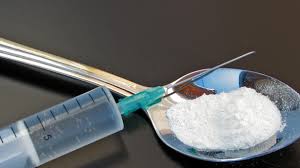
heroin abuse, heroin overdose
Heroin abuse is a very destructive cycle, and heroin overdose is usually accidental and often fatal. The person using the drug never intends to harm or kill themselves with the shot or the line of powder, they are simply trying to feed their addiction. A tiny miscalculation can be deadly though, and when the person with a heroin abuse problem has tried to stay clean their tolerance for the drug drops. This is one of the most common causes for a heroin overdose, and recovering addicts who leave treatment and then relapse are at a very high risk for an overdose death because they are actually clean and sober for the first time in months or even years. This increases their risk for overdose because their tolerance for heroin abuse is gone.
Those who are lucky enough to survive a heroin overdose need counseling and treatment, and so do family members and friends who have been exposed to the behavior. Individuals who find a loved one who has had a heroin overdose are traumatized, and that is an image that does not seem to fade away. Heroin abuse hurts everyone, not just the user, and this is a drug that destroys families and lives. There are many negative emotions that must be worked through, and counseling can help. The individual who engages in heroin abuse must receive effective treatment and work through their issues, otherwise they will not recover fully and will eventually end up relapsing. This can cause a fatal heroin overdose to occur, and the survivors are left with nothing but questions and guilt.