Rehab Articles

According to University of Illinois at Chicago researchers female depression is often linked to glutamate receptor genes which are overactive. A recent study showed that women who suffer from depression have rates of gene expression which are extremely high, and these abnormal levels occur in the genes which regulate the glutamate system in your brain and body. This is not the only mental or physical health condition that may be caused by glutamate system abnormalities either. In the past these abnormalities have been associated with or linked to epilepsy, Alzheimer’s, autism, schizophrenia, and other disorders. University of Illinois at Chicago pharmacy practice assistant professor Monsheel Sodhi, Ph.D explained the study conclusions and stated “Our data indicate that females with major depression who are at high risk of suicide may have the greatest antidepressant benefit from drugs that act on the glutamate system, such as ketamine.”
The study shows promise for new treatments for female depression which impact the activity of the glutamate receptor gene. According to Dr. Sodhi an overabundance of this neurotransmitter in the brain could explain why women are more likely to attempt suicide when they have female depression. The study results were published in the Molecular Psychiatry journal. The study researchers analyzed brain tissue samples that were recovered postmortem, from both sexes and from individual who both did and did not suffer from mental illness. Many of the individuals whose tissue was analyzed and who were depressed committed suicide. The tissue analysis showed that women who had female depression were more likely to have an overactive glutamate receptor gene.
Rehab Articles
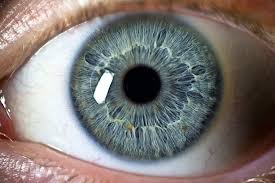
Schizophrenia has been associated with eye movement impairment, and this fact has been known for decades. A new eye test may be able to identify those who are suffering from schizophrenia based on this impairment according to researchers who performed the study. In the study the researchers determines that the eye test accurately identified people who had schizophrenia more than 98% of the time. Lead paper authors for the study, Dr. Philip Benson and Dr. David St. Clair, reported that “It has been known for over a hundred years that individuals with psychotic illnesses have a variety of eye movement abnormalities, but until our study, using a novel battery of tests, no one thought the abnormalities were sensitive enough to be used as potential clinical diagnostic biomarkers.”
The eye test used in the schizophrenia study involved a series of tasks. These tasks included gaze fixation, smooth pursuit, and free viewing. People who have schizophrenia had difficult with the smooth pursuit task, and their eyes had trouble following moving objects. The eye tended to fall behind the object and then to use saccade, a form of REM, to catch back up with the object. The eyes of people with schizophrenia who were shown a picture in the free viewing test differed from the general population because their eyes tracked and followed an abnormal pattern compared with the those who do not have schizophrenia. The fixation tasks of the eye test were also revealing because individuals who have schizophrenia have difficulty holding their gaze steady on a fixed object that does not move.
Rehab Articles

If someone you love struggles with bipolar disorder there are some tips that can make your life and your living situation more productive and easier. 5 great tips that you can use include:
-
Know what bipolar disorder is. Do the necessary research so that you understand what is going on with your loved one and how you can help them. Understanding what your loved one is experiencing will help you and them both.
-
One of the most helpful tips you can learn is to keep notes and pay attention to the symptoms that your loved one is experiencing and displaying. This symptom journal can be very beneficial for medical and mental health professionals, as well as helping you learn what you can expect and how to best manage these symptoms.
-
Communicate openly with your loved on. Ask them what you can do to help them. Don’t be judgmental or make assumptions. Discuss any concerns with the family physician or mental health treatment provider.
-
Don’t let mania catch you off guard. When someone is depressed there are many symptoms common to most individuals, but mania may be displayed differently be each individual who has bipolar disorder. This mental disorder includes lows that can be very low, and highs that have no ceiling. Needing little sleep, having plenty of energy, and being overly optimistic or failing to see that they are on the upswing of bipolar disorder is often noticed by family members. Some may talk excessively, chattering on and on, while others just seem to be in a good mood.
Rehab Articles

A new study by University of Illinois at Chicago (UIC) College of Nursing researchers may have shown the path to predicting binge drinking to some degree through the use of a biomarker. The study involved a biomarker called phosphatidylethanol or Peth, and it is found in much higher amounts in individuals who are more likely to engage in binge drinking. Hopefully this discovery can lead to the ability of predicting who is at risk of binge drinking with a much higher degree of certainty than what is currently possible. According to University of Illinois at Chicago College of Nursing professor and biobehavioral health science department head Mariann Piano, Ph.D. “Binge drinking is pervasive on college campuses and among young adults. More alarming, though, is the regularity of binge drinking episodes: one in five students report three or more binge drinking episodes in the prior two weeks.”
Dr. Piano worked with associate professor of physical therapy and co-researcher Shane Phillips, Ph.D. during the biomarker study on predicting binge drinking. The study involved analyzing blood from the participants. Dr. Piano reported that “We discovered a significant correlation between PEth levels in both the whole blood and dried blood samples and the number of times subjects consumed four to five drinks in one sitting within the last 30 days. Using a biomarker of heavy alcohol consumption such as PEth along with self-reporting could provide an objective measure for use in research, screening and treatment of hazardous alcohol use among young adults.” Binge drinking is a pattern of excessive drinking that occurs in a relatively short period of time and causes a blood alcohol content of over 0.08.
Rehab Articles

Two of the top reasons that people become homeless are mental illness and alcohol abuse or other forms of substance abuse, and a new program called Housing First is taking steps to provide a solution. A recent study found that it is possible to reduce alcohol abuse for those with mental illness in the homeless population by providing these individuals with a safe place to live that has no preconditions attached. The Housing First approach does not place stipulations on a place to live, such as seeing mental health professionals or sobriety testing. Instead Housing First places a focus on getting the homeless individual into permanent housing that allows the individual to live independently. Support and additional services are provided as needed but the homeless individual does not have to follow any preconditions in order to have a safe place to call home.
The underlying ideal behind the Housing First initiative in order to fight alcohol abuse and mental illness among the homeless is that people will be able to move forward and will have a better life if they have stable housing and a more predictable living situation. The study involved 378 people who were all homeless, and who were all diagnosed with some form of mental illness. All of the study participants were from Toronto, Canada. Those who took part in the Housing First initiative saw a drop in alcohol abuse of more than 50%, and this decrease occurred in spite of the fact that the homeless were not forced to stay sober or to follow any other preconditions in order to avoid becoming homeless again.