Rehab Articles

1. Increase your sponsor contacts. It is possible to prevent holiday relapse with the right support, and your sponsor is an important part of your support system.
2. Leave any events or situations where your recovery may be jeopardized. If you feel a relapse trigger coming on then you have every right to leave. Politely say goodbye and go, without feeling guilty or letting anyone pressure you into staying.
3. Try to view alcohol and drugs as a deadly poison. If you think of poison every time you see alcohol or drugs then you are more likely to prevent holiday relapse and stay on the road to recovery.
4. Attend support meetings more frequently, daily if needed. In order to prevent holiday relapse you need to stay strong, and support meetings can help you do this. Find out where these are held in your area and go as often as you need to.
5. Remember to eat healthy meals and snacks. Good nutrition can help prevent holiday relapse triggers and allow you to stay sober. During the holidays the rush makes many forget to eat properly, and this can cause you to relapse.
6. Get plenty of exercise. When you exercise you relieve pent up stress and this will help prevent holiday relapse. Exercise also releases endorphins in the brain and provides a feeling of well being and contentment naturally.
7. Don’t forget to get your beauty rest each night. Plenty of sleep can be the best tool to prevent holiday relapse and keep you on the right path to a permanent recovery.
8. Make sure that any holiday gatherings will have non alcoholic drinks offered.
Rehab Articles
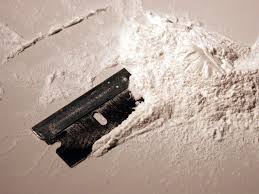
1. Excessive energy is common with methamphetamine abuse or addiction. The individual using this drug may seem very active and energetic, and they may not be able to sit still. Pacing, fidgeting, and other activity is common when the user tries to sit calmly. The user may also appear nervous or edgy for the same reason.
2. Pupils become dilated and this is visible. When an individual with methamphetamine abuse or addiction uses the drug their pupils will dilate considerably. This dilation stays until the effects of the drug are over. Light or darkness will not change the size of the pupils very much and that is an indication that methamphetamine use is a problem.
3. Severe sweating is common with methamphetamine abuse or addiction. The user may be sweating heavily regardless of the weather conditions or temperature, because methamphetamine use causes the body temperature to rise and the body systems to speed up.
4. A loss of weight and appetite is expected when methamphetamine use occurs. When methamphetamine abuse or addiction occurs then the weight loss and lack of appetite may be very significant and very visible to others. In many cases the user may lose several pounds over the course of a few days or a week, and long term methamphetamine use is extremely dangerous because of the weight loss.
5. Insomnia or difficulty sleeping is a common problem with methamphetamine use. When the nervous system is accelerated then sleep may be impossible. Even after the individual with a methamphetamine abuse or addiction starts coming down from the drug they still have difficulty relaxing or sleeping soundly.
Rehab Articles

1. Admit that you have a problem and need to stop drinking. If you want permanent results than you have to engage in an honest analysis of whether you have an addiction to alcohol, and whether you want stop drinking or not. The desire to stop drinking will help your treatment effectiveness and the final results that you achieve.
2. See a physician. Your doctor or a substance abuse specialist can help you determine what your treatment options are and whether you may require a medically supervised detox program or not. A physician can be a terrific resource and can help guide you to the needed treatment so that you can start on the road to recovery.
3. Research the right alcohol abuse detox and treatment programs. There are many programs that promise to help you stop drinking permanently, but not all of them deliver on this promise. Do your research to evaluate what types of treatment each program offers, how much it costs, and all of the other details before you choose one to participate in.
4. Set up a support system. Once you start treatment to stop drinking you may need an extensive support system in place to help you deal with weak moments and intense cravings. These can lead to a relapse if you do not have support available when you need it.
5. Attend local 12 step meetings regularly. These meetings can hep you keep your resolve to stop drinking and keep you on the right track.
Rehab Articles

1. Avoid Medications with High Abuse Potential- One of the most common relapse prevention tips for drug addiction and alcohol abuse is to avoid any medications that may be habit forming or that have a high addiction potential unless these drugs are absolutely necessary. Many people who have a substance abuse problem may trade one substance for another, and these medications have a high potential for abuse and addiction.
2. Change Your Habits and Hangouts- Find new friends and new places to spend your time. One of the biggest causes of relapse is slipping back into old habits, and going to the same places or hanging out with the same crowd can cause a relapse to occur.
3. Find Sober Activities and Substance Free Events- Recovering from drug addiction or alcohol abuse does not mean staying locked up in your home, but you must be careful about the events and activities that you take part in. Find sober activities and substance free events to stay social without risking a relapse at the same time.
4. Create a Support Network-Your support network can not be too large, and you should make sure that this network includes people and organizations that you can contact 24/7 when you are feeling low or need encouragement to stay on the road to recovery.
5. Know When and Where 12 Step Meetings are Held in Your Local Area- 12 step meetings can help you avoid temptation, and many cities and areas have places which hold this meetings frequently. In larger cities it is possible to find these meetings 7 days a week, and that can be beneficial if you feel a relapse coming on.
Hopefully these relapse prevention tips for drug addiction and alcohol abuse help you stay sober and reinforce your recovery goals.
Rehab Articles

Alcohol detox is important for several reasons, and this step offer many benefits for anyone who has a problem with alcohol addiction. Some top reasons why alcohol detox is necessary include:
1. A Better Chance of Permanent Recovery- Alcohol detox is often needed in order to gain a permanent recovery. Going cold turkey without any support usually leads to a relapse, especially when the withdrawal symptoms start. Alcohol addiction can be extremely difficult to overcome permanently without the right detox programs and methods.
2. Eliminate Any Medical Risks Possible During the Withdrawal Period- Alcohol detox programs are designed to eliminate any medical risks that you may face while you are withdrawing from this substance. In severe cases alcohol withdrawal symptoms can be dangerous or even deadly, and a medically supervised alcohol detox program can prevent these problems.
3. Clean Alcohol From The Body Before Starting Alcohol Addiction Treatment- Before you begin alcohol addiction treatment it is important that you are clean and sober, and this means alcohol detox in some way.
4. Fewer Or Less Severe Withdrawal Symptoms- Alcohol detox can help minimize the severity and number of withdrawal symptoms that you experience. Programs that involve medical supervision can provide medications which help to control withdrawal symptoms and keep you more comfortable during the alcohol detox process.
5. Alcohol Detox Usually Provides Better Treatment Results- When you enter an alcohol detox program before receiving alcohol addiction treatment you will generally get a much better outcome. Until you are completely clean you can not focus on the issues that you must work through to address your substance abuse problems.