Rehab Articles
Discrimination is never pleasant and it can result in stress, but can it actually harm your mental health? According to a new research study from the UCLA Fielding School of Public Health and the Department of Epidemiology at UCLA the answer could be yes. Dr. Vickie Mays, a professor at the School of Health, explained “We now have decades of research showing that when people are chronically treated differently, unfairly or badly, it can have effects ranging from low self-esteem to a higher risk for developing stress-related disorders such as anxiety and depression.” Mays continued by stating “We know that when people have a psychiatric disorder, it’s not good for any of us. For example, it can affect parenting — a depressed mom might not be able to interact with her child in a way that best promotes that child’s development, leaving the child more vulnerable to certain behavioral disorders. In that sense, we all suffer from the effects of discrimination.”
Department of Community Health Sciences professor Dr. Gilbert Gee performed an earlier study on mental health, discrimination, and stress which also demonstrated similar findings and showed the mental health impact that discrimination can have. According to Dr. Gee “Much of the research has focused on symptoms of sadness and anxiety resulting from the mistreatment, and that’s very important, but we wanted to look at clinical outcomes. If you don’t get a job and you’re left to wonder whether it had to do with your race or gender, that can have an impact on your mental health.”
Rehab Articles
With legal recreational marijuana laws being passed by a number of states in the USA many medical and scientific professionals see an opportunity to research how this drug and these laws impact alcohol use. University of Washington researchers did not find clear answers to this question when they performed a study to determine whether legal recreational marijuana increased or decreased alcohol use in certain groups. Researchers say that it is very difficult to gauge impact because the drug was previously illegal and illicit but it is now moving into mainstream use. In the United States alone 23 states have passed legal medical marijuana laws, and 4 states have passed laws to legalize the recreational use of marijuana. According to the lead author of the study, Katarína Guttmannová, “We chose to focus on alcohol because even relatively small changes in alcohol consumption could have profound implications for public health, safety, and related costs.”
The study on legal recreational marijuana and alcohol use did not provide the clear answers that researchers were seeking. Since marijuana and alcohol both work on the reward center of the brain, and one drug may complement the other when both are used together, the goal was to see whether people were using pot instead of alcohol or using both substances together. Guttmannová explained “This is a complicated issue and requires a nuanced approach. We were hoping to have more clear-cut answers at the end of our research. But you know what? This is the science of human behavior, and it’s messy, and that’s OK.”
Rehab Articles
A recent medical study has linked antidepressants during pregnancy, especially SSRI antidepressants, and autistic children. When the drug is taken in later pregnancy the risks are the greatest. This can leave many physicians and mental health professionals in a bind though, and the findings may cause some pregnant women to stop taking medication that helps control their depression. According to the study report by University of Montreal researchers, and authored by lead researcher Anick Beard, “Use of antidepressants, specifically selective serotonin reuptake inhibitors, during the second and/or third trimester increases the risk of autism spectrum disease in children, even after considering maternal depression.” The study involved over 145,000 children, and 4,700 of the study participants were exposed to antidepressant medication in the womb. Out of the 4,700 children identified only around 1%, or 31 children, were eventually diagnosed as having autism. A careful analysis identified only SSRI drugs. Beard explained “Other classes of antidepressants were not statistically significantly associated with an increased risk of autism spectrum disorder.”
University of Rochester in New York Obstetrics and Gynecology department chair Dr. Eva Pressman, who was not involved in the study on antidepressants during pregnancy and autistic children, has more question than she does answers after going over the study. Pressman told reporters that “If there is an effect that SSRIs have on autism, I think it is not a very large effect. If the patient can be safely managed without medication, that’s always in their interest. In some patients, the depression is clearly more dangerous than the medication.” In the end physicians and mental health professionals will have to weigh the risks versus the benefits in each patient to determine whether antidepressants, and especially SSRI drugs, are the right treatment choice on a case by case basis.
Rehab Articles
Bariatric surgery is used to treat severe obesity, and a new study shows that patients who require this type of surgery usually suffer from mental health issues as well. These mental health problems typically include binge eating, depression, and even social anxiety. In addition to determining the prevalence of mental health disorders in people who were considering bariatric surgery the researchers also wanted to see whether these disorders had an impact on the weight loss and results that patients had after they underwent the bariatric procedure. The study conclusions and statistics were published in the journal JAMA. University of California-Los Angeles David Geffen School of Medicine researcher Dr. Aaron J. Dawes was part of the team who undertook the study, and a total of 59 publications on bariatric surgery and mental health disorders were analyzed using the meta data. These publications covered more than 65,000 patients who fit the study criteria.
The study on bariatric surgery and mental health problems in obese patients showed that almost 1 in 4 patients in this group had a mood disorder. These mood disorders included depression, which affected 19% of the patients, and binge eating disorder, which was present in around 17% of the patients. Approximately 12% of the individuals who were analyzed as part of the study had anxiety. Bariatric patients seem to suffer from mental health issues in greater numbers than the general population and the higher rates are cause for concern. According to the research team “Previous reviews have suggested that self-esteem, mental image, cognitive function, temperament, support networks and socioeconomic stability play major roles in determining outcomes after bariatric surgery.”
Rehab Articles
A new study on anxiety and social threats has provided some important information on anxiety in general, and on how the brains of anxious people detect threats in social situations. According to the researchers the human brain is wired to spend more power processing social situations that involve real or perceived threats, and this is especially true in people that are anxious or that suffer from anxiety. Some researchers believe that the differences noted may explain what many people call a sixth sense or intuition, that inner feeling that many people get which signals danger even though there is no obvious threat at this moment. The study showed that individuals who were typically calmer and more laid back showed different brain activity and active brain areas used for threat detection that were different than what was seen in the brain of individuals with anxiety.
In the past it was believed that anxiety caused individuals to become over sensitive to signals that could mean impending threats, but the new study on anxiety and social threats shows that this is not the case. People without anxiety tend to process threats in areas of the brain that are responsible for recognizing facial expressions. People who have anxiety tend to process perceived threats in different brain areas which are responsible for actions instead of facial recognition. These important brain function and active area differences show that anxiety is perceived and processed very differently by the two groups. According to Ecole Normale Supérieure in Paris and French Institute of Health and Medical Research investigator Marwa El Zein, Ph.D., who was also the lead author on the study, “In a crowd, you will be most sensitive to an angry face looking towards you, and will be less alert to an angry person looking somewhere else.”
Rehab Articles
With more states, countries, and government entities giving the go ahead for medical or even recreational marijuana use many questions have been raised about this drug that need to be answered. There is a well known and identified link between substance abuse and mental illness. Statistics show that people who have risk factors for schizophrenia and other psychotic forms of mental illness may be adversely affected by marijuana use, and this drug can even contribute to the development of psychosis in individuals who are already prone to certain types of mental disorders including schizophrenia. Mental health experts warn that marijuana use can mask or even aggravate the symptoms of mental illness and make an accurate diagnosis much harder to make. Using marijuana can cause depression, anxiety, and many other mental disorders to become worse over time and interfere with treatment.
There have been no studies to show that marijuana itself is responsible for the initial development of mental illness, but many studies have shown that this drug can have a negative impact on those who are already at risk or predisposed towards schizophrenia and other serious forms of mental illness. Individuals who have certain mental health disorders or who have close family members with serious mental illness are at a much higher risk of developing psychosis and other very serious symptoms when marijuana is used because of how the brain functions with these mental disorders. Using the drug can make it difficult or even impossible for treatment professionals to determine which symptoms are drug related and which ones are a result of the mental illness.
Rehab Articles
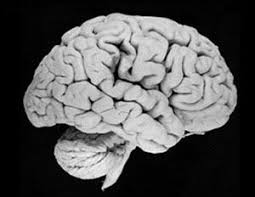
A new study shows that reduced gray matter in the brain could be responsible for behavioral problems in children, but researchers caution that there are still many unknown variables involved in this issue. The researchers determined that youth who have behavioral problems generally have less gray matter in their brain than those of the same age who do not have the behavioral problems. Behavioral problems in children include aggression, antisocial behaviors, severe anger management problems, and poor emotional control. The gray matter in the brain is used for information and signal processing, and less gray matter could mean less processing as a result. University of Birmingham in England researchers discovered that kids and teens who had these types of problems had reduced gray matter when compared to youths who were developing without behavioral issues.
The reduced gray matter associated with behavioral problems in children and teens tended to be displayed in areas of the brain that included the prefrontal cortex, the amygdala, and the insula. These are areas of the brain associated with making decisions, empathy, reading the emotions and facial expressions of other people, and regulating emotions. According to lead study author Dr. Stephane De Brito “We know that severe behavioral problems in youths are not only predictive of antisocial and aggressive behavior in adulthood, but also substance misuse, mental health problems, and poor physical health. For that reason, behavioral problems are an essential target for prevention efforts and our study advances understanding of the brain regions associated with aggressive and antisocial behavior in youths.”
Rehab Articles

Severe bipolar disorder is a mental health condition which can be devastating, and an innovative study performed in a partnership by researchers at the University of California, Los Angeles and the University of Texas (UT) Southwestern Medical Center has identified a number of inherited traits for circadian rhythms, or sleep and wake cycles, that could impact the severity and the symptoms experienced with bipolar disorder. Researchers identified specific chromosomes that are linked to these inherited traits, and that could mean better and more effective treatment methods for those who struggle with severe bipolar disorder. UT Southwestern Howard Hughes Medical Institute Investigator and Neuroscience chairman at the university Dr. Joseph Takahashi explained the study. “We were able to identify 13 sleep and activity measures, most of which are inherited, that correlated with whether an individual had bipolar disorder. In addition, we were able to trace some of these traits to a specific chromosome.”
Dr. Takahashi was not the only researcher who was excited at the discovery of the inherited traits for sleep and wake cycles in individuals with severe bipolar disorder. UCLA Center for Neurobehavioral Genetics director Dr. Nelson Freimer stated “This study represents a key step in identifying the genetic roots of this disorder and, in turn, providing targets for new approaches to preventing and treating bipolar disorder.” Individuals who have severe bipolar disorder may experience very severe and sudden mood shifts, and these people may be up one minute and profoundly depressed the next when rapid cycling is also a factor. Current treatments for bipolar disorder do not always work so new and more effective treatments are needed.
Rehab Articles

Benzodiazepines are often one of the most common drugs used in the treatment of psychiatric problems and conditions, but this practice should be stopped because of the increased dementia risks that may be posed by these drugs. According to the latest research and evidence the use of benzodiazepines will increase the risk that the patient will experience dementia or even death because of the use of these drugs. Some of the drugs in this class include Klonopin, Valium, Xanax, and Ativan. The FDA approved benzodiazepines in the 1960s because these drugs were considered to be a safer option than the barbiturates that were used at the time. In spite of new protocols for psychiatric conditions a number of medical professionals still prescribe patients benzodiazepines in order to treat things like anxiety, PTSD, OCD, and even generalized anxiety.
North Texas University Health Science Center Director of Osteopathic Medical Education and board-certified psychiatrist Helene Alphonso, DO, discussed the research concerning benzodiazepines and dementia risks, saying “Current research is extremely clear and physicians need to partner with their patients to move them into therapies, like antidepressants, that are proven to be safer and more effective. Due to a shortage of mental health professionals in rural and underserved areas, we see primary care physicians using this class of drugs to give relief to their patients with psychiatric symptoms. While compassionate, it’s important to understand that a better long-term strategy is needed.” The research shows that taking benzodiazepines for 2-6 months increased dementia and Alzheimer’s risks by 34%, and taking these drugs for longer than 6 months increased the risks by an amazing 84%.
Rehab Articles

The latest research shows that the number of people in the nursing profession who struggle with substance abuse could be as high as 10%-20%, while at the same time there is a shortage of qualified nurses and nursing students to fill the openings in this sector of the medical profession. According to the experts the key to addressing substance abuse in the nursing profession is to provide treatment and support to these individuals rather than applying punishment. This approach will help protect public safety while providing much needed treatment and services so that the individual can overcome their addiction.
The new research on substance abuse in the nursing profession was published in the Journal of Clinical Nursing. Vanderbilt University School of Nursing researcher and lead paper author Todd Monroe, Ph.D., explained “Addiction among nurses has been recognized by professionals in the field for over a hundred years. While research consistently reports incidence rates of 10 to 15 per cent, some studies suggest that this could be as high as 20 per cent.” Monroe continued by saying “The fact that they work in a highly stressful environment with easy access to powerful drugs can expose them to an increased risk of substance misuse and abuse. They are expected to show compassion when caring for patients who are alcohol and/or drug dependent and they should extend the same compassion to colleagues struggling with chemical dependency, which is an illness. ATD programs appear to be the best way to protect patients and retain nurses at a time when the profession is facing serious shortages of experienced professionals.”
Rehab Articles

The mental and physical health of children is always at risk when family breakups occur, but a new study shows that girls may be at higher risk of negative effects from the breakup than boys are. There are a number of long term negative consequences when children experience a family breakup and researchers from the University of Illinois have concluded that the fragmentation of the family typically affects girls more than boys. Research has shown that both genders can have mental and physical health problems as adults when their families fragmented during childhood. The new research shows the same thing except that it reveals that girls often have more severe issues with smoking, depression, and overall health outcomes as a result. The research study results can be found in the Review of Economics of the Household journal.
The new study findings on the impact that family breakups can have on the mental and physical health of girls, and children in general, could help identify additional support methods which could change the outcome. The study involved more than 7,500 teens between the age of 15 and 18 years old. University of Illinois economist Dr Andrea Beller explained “Girls’ health is more sensitive to family structure. Prior research shows that family breakups affect boys more than girls through cognitive, educational, and emotional channels. We find that, if you grow up in a non-traditional family structure — single parent or step-parent or a cohabiting relationship —girls are more likely than boys to be depressed and report worse overall health.”
Rehab Articles

Centers for Disease Control and Prevention researchers believe that gender roles and violence may be linked after the latest research findings. The researchers wanted to understand masculinity, and the behavioral health outcomes and injuries that can occur when masculinity and gender roles are involved. The researchers determined that when men feel that they are not living up to the traditional masculine gender roles and norms then these individuals may be more prone to violent behaviors and outbursts. The research focus was on masculine discrepancy stress, which is stress that happens when a man feels that he is not meeting the traditional gender norms for males. These individuals often feel that they are not as masculine as the typical or average man and this causes stress, and they can be more prone to violence as a result of these feelings and perceptions.
According to statements by the study authors in the Injury Prevention journal “Gender role discrepancy and associated discrepancy stress, in particular, represent important injury risk factors and that prevention of discrepancy stress may prevent acts of violence with the greatest consequences and costs to the victim, offender, and society. Masculine socialization and acceptance of gender norms may induce distress in boys and men.” A link to substance abuse was not discovered however, and the study team explained this by saying “This may suggest that substance use/abuse behaviors are less salient methods of demonstrating traditional masculinity in contrast to behaviors related to sex and violence, perhaps due to the potentially private nature of the habit.”