Rehab Articles

Approximately 5.9% of the population in the USA, or 14 million Americans, have borderline personality disorder. When all forms of mental disorders are calculated the percentage of the population that is affected is much higher. Statistics show that 20% of patients hospitalized in a psychiatric hospital has BPD, and 10% of those who engage in outpatient mental health treatment have this condition as well. With statistics and numbers like these it is rare for someone not to have a family member or friend who has BPD or another one of the possible mental disorders. In spite of this mental illness still carries a stigma, and some are ashamed to admit that they need help or that someone they know and care about needs treatment.
It is possible to detect signs of mental disorders, including borderline personality disorder, so that the individual can get the help and treatment that they need. Some of the most common symptoms of BPD include:
-
Constantly overreacting, exaggerates on a regular basis.
-
Unstable relationships with family, friends, and significant others. Because the individual with BPD are often angry or even violent this can impair relationships and lead to deep feelings of hurt and mistrust.
-
People who have borderline personality disorder have a distorted self image of themselves, with a feeling of low self worth and very poor self esteem. This can cause depression and mood swings which only make things worse.
-
People with this mental disorder tend to be reckless, engaging in impulsive decision making and acting without any concern for their safety or the safety of others.
Rehab Articles

A recent research study has found that prescription painkiller abuse among teens from rural areas and small communities is higher than what has been seen in large cities and urban areas. The research showed that this type of teen drug abuse was 35% higher for adolescents between the ages of 12 and 17 years old who lived in rural communities. Teens who reside in small towns are 21% more likely to engage in this form of substance abuse than urban adolescents. One explanation for the increased risk that researchers have focused on is that primary care providers are not widely available in rura areas, causing teens to go to an ER or urgent care clinic. These medical facilities are typically more likely to prescribe opioid drugs for pain.
The study on teen drug abuse and prescription painkiller abuse by adolescents utilized data that was collected for the National Survey on Drug Use and Health for the years 2011 and 2012. The data included survey information from more than 32,000 teens. According to Pennsylvania State assistant professor of rural sociology, demography, and sociology Shannon Monnat “Over 1.3 million adolescents abused prescription opioids within the last year. With this number of adolescents there are major implications for increased treatment demand, risk of overdose, and even death from these opioids.” The study also showed that girls were more likely to engage in prescription painkiller abuse than boys were. The prescription drugs which seem to be used in rural areas include morphine based formulations like percocet, Oxycontin, and oxycodone. Monnat went on to say “There has been a shortage of primary care practitioners in rural areas for a long time. Often, emergency rooms or urgent care clinics might be the only place for someone to receive treatment in a rural area.”
Rehab Articles

A new study by King’s College London researchers shows that individuals with schizophrenia who have negative symptoms also tend to typically fair worse and have a worse outcome than those with this mental disorder who do not have negative symptoms. The patients who exhibited negative symptoms of schizophrenia had a much higher risk of admission to the hospital for this illness, the admission time was longer, and these patients were also more likely to be readmitted to the hospital after they have been discharged. Some of the negative symptoms that may be experienced include less speech and activity, poor motivation, and even failing to make eye contact with others. Positive symptoms include delusions and hallucinations, and these are usually the first symptoms targeted for treatment.
The study by the researchers is the biggest ever to look at and evaluate the link between clinical outcomes and negative symptoms for people with schizophrenia. The study involved sample cases from a pool of 7,500 individuals with schizophrenia. Department of Psychosis Studies researcher Dr. Rashmi Patel explained “Hospital admissions are the main drivers of cost in the care of patients with schizophrenia — yet they have traditionally been linked to the severity of positive psychotic symptoms. Our data indicate that negative symptoms are an equally important factor, and suggest that a greater emphasis on assessing and treating these features of schizophrenia may have significant health economic benefits. However, as our findings are drawn from observational data, interventional clinical studies are required to determine whether an effective treatment for negative symptoms would lead to better clinical outcomes.”
Rehab Articles

Science is discovering that the bacteria normally found in your digestive system can help treat depression, in a field of study called psychobiotics which is relatively new. You have roughly 100 trillion different bacteria and other microbes in your body, and these microbes carry out a number of vital functions. Many believe that the microbes in the body also have a link to mental health. It is possible that these bacteria and other microbes may be able to treat more than just digestive system disorders, and the could hold the key to an effective treatment for chronic depression. University College Cork in Ireland microbiome specialist and neuropharmacologist Dr. John F. Cryan , PhD, is one of the leading researchers in the link between your digestive system and your mental health.
Studies have been performed on mice in the lab which show that a disruption in the usual microbes in the body can lead to both mental and physical problems. Some of these studies have shown that mice which are bred in conditions with no beneficial bacteria at all have social awkwardness, and when the natural biome in the mice is disrupted the mice will display signs of depression, anxiety, and even autism. Dr. Cryan has worked very closely with a range of specialists during his research on the link between mental health and beneficial bacteria and other microbes, including psychiatrists, gastroenterologists, and microbiologists. Another study on mental health and bacteria in the digestive system was performed by Dr. Mazmanian in 2013. This study showed that mice with certain symptoms of autism had a lot fewer of the bacteria Bacteroides fragilis in their gut than the normal mice.
Rehab Articles

Coping with catastrophic thinking is possible so that this pattern does not have a negative effect on your life. 4 ways that you can cope with this type of thinking include:
1. Face the fears that you have so that they do not become larger than life. If you continuously shy away from the things that make you fearful then you will never overcome the fear and it will continue to haunt you. If you are worried that you will fall to your death from a high height then try rappelling with safety equipment. If you are scared of flying because you just know the flight will crash then schedule a flight just to address this fear head on.
2. Pay attention to your thoughts and feelings, so that you learn to recognize valid fears from those that are unrealistic or highly unlikely. When you focus on your thoughts this can help short circuit the catastrophic thinking and reset your frame of mind.
3. Instead of trying to control every little thing in your life take control over things that you can. This can help minimize the anxiety that you feel over a loss of control and it can be an effective coping mechanism.
4. Seek professional help from a mental health expert. Sometimes catastrophic thinking requires professional treatment and assistance, and self help measures do not always work for everyone. If you have difficulty coping with your thoughts or you always seem to be in an anxious or negative state of mind then a counselor, psychologist, or psychiatrist should be consulted.
Rehab Articles
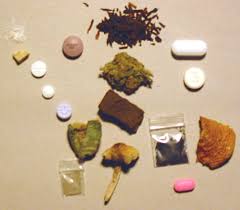
The use of psychedelic substances is illegal in most parts of the world, but one United Kingdom expert is psychiatry believes that these substances have the potential to treat psychiatric disorders and that these drugs “should be legally reclassified so that researchers can investigate their therapeutic potential.” According to Dr. James Rucker, who is associated with King’s College London, U.K., “Psychedelic drugs, especially LSD and psilocybin, which is found in magic mushrooms, were extensively used and researched in clinical psychiatry before their prohibition in 1967. Hundreds of papers, involving tens of thousands of patients, presented evidence for their use as psychotherapeutic catalysts of mentally beneficial change in many psychiatric disorders, problems of personality development, recidivistic behavior, and existential anxiety. But no evidence shows that psychedelic drugs are habit forming; little evidence shows that they are harmful in controlled settings; and much historical evidence has shown that they could have use in common psychiatric disorders.”
Not everyone agrees that psychedelic substances have the potential to treat psychiatric disorders though. Journal of Public Mental Health editor Dr. Woody Caan explained that “Some patient populations may be more, or less, vulnerable to psychedelic substance use. Some hallucinogenic substances have clear “cumulative toxicity.” Caan continued by saying “Unlike our present conventions on drugs, a good system of legislation and regulation would balance risks and benefits and comprehend some individual variation among patients. Users become sensitized to repeated doses, progressing to disturbances of perception that are spontaneous, uncontrollable, and potentially distressing.” The use of these substances for any reason is highly controversial.