Rehab Articles

An early bedtime and more sleep each night could be a key factor in minimizing or even preventing mental illness according to a new study by researchers. Stress is detrimental to good mental health, and failing to get enough sleep can allow the effects of stress and poor habits to accumulate and lead to problems with mental and physical health. When things get hectic one of the first things to go is a healthy lifestyle, and many people feel like there is never enough time in the day. This can lead to late nights, early mornings, and a chronic lack of quality sleep. What researchers from Canada and France have found is that having regular scheduled mealtimes and getting to bed early each night can help prevent mental illness, and promote good mental and physical health.
Bipolar disorder and schizophrenia are mental illnesses that may be managed with more sleep and healthier meals. When researchers studied mice who did not get enough sleep and who had an irregular and unhealthy diet many of the rodents started to display symptoms of mental illness. This is not the first study to determine a link between quality sleep each night and developing mental illness. One study which was published n December in the Cognitive Therapy and Research journal also determined an association between going to bed late and negative thoughts and worries that were persistent. A study that was performed in 2013 also showed a link between these factors, and shift workers who were chronically sleep deprived due to shift changes actually started to develop depressive symptoms.
Rehab Articles
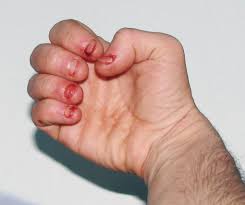
A new research study conducted in partnership between Yale University, the Saint Louis University School of Medicine, and the Veterans Affairs Medical Center has determined that there is a genetic and behavioral link between problem gambling and obsessive compulsive behavior. The researchers involved in the study hope that the links identified will help with new treatment developments and will also identify any biological factors and measures that underlie both of these conditions. The study results have been published in the JAMA Psychiatry journal. According to the senior study author, Dr. Marc Potenza, who is a professor of neurobiology, psychiatry, and child study, reported “This overlap between problem gambling and obsessive-compulsive behaviors appears to be genetic in nature. This common biological basis of the disorders could help inform treatment development efforts for individuals with co-occurring gambling problems and obsessive-compulsive behaviors.”
The latest study on problem gambling and obsessive compulsive behavior shows that those who have severe obsessive compulsive behaviors are also at a much higher risk of having a gambling disorder as well. These individuals are far more likely to meet the gambling disorder diagnostic criteria. According to Dr. Potenza, who founded the Problem Gambling Clinic at Yale University and who is the director of this clinic, psychiatry has really had to struggle when it comes to classifying gambling disorders. Past physician diagnostic guidelines classified compulsive gambling as a disorder with impulse control, but the latest guidelines classify this type of gambling problem as an addiction instead. Potenza explained “I think the current evidence in conjunction with previously published data suggests that gambling disorder shares similarities with both addictions and obsessive-compulsive behaviors.”
Rehab Articles

A new research study at Michigan State University examines whether social media encourages alcohol use, and the results may surprise some people. The more a user on Facebook sees or shares comments and views on an alcohol related page or topic the more likely the user is to engage in alcohol use. More than 400 participants recorded their emotions and feelings after they saw and responded to Facebook items which were relevant to alcohol. According to study leader and assistant professor Saleem Alhabash, Ph.D., “What we found is if people actually feel so engaged with that message and want to do something about it —like, share or comment —that it makes the likelihood of them thinking about drinking even greater. Alcohol content is everywhere. Underage drinkers will see these ads, think they’re cool, and then like or share. They interact with it and start thinking about it.”
When discussing the MSU study on social media and alcohol use assistant professor of advertising and public relations Anna McAlister, Ph.D., said “Do intentions lead to actions? Intention is the single strongest predictor of actual behavior.” Alhabash continued with the statement “It’s ironic because the classical way of thinking about marketing, say on TV, is to advertise alongside alcohol brands. Our study says ‘this might not be the way to do it.’” The implications of the study results on underage drinking could be enormous. Alcohol related Facebook pages could be contributing to underage drinking by minors, and with the latest research results showing this to be a contributing factor steps may be possible to minimize exposure to alcohol related Facebook pages by minors.
Rehab Articles

A recent study suggests that physician over prescribing is fueling the opioid addiction crisis facing North America, and that this problem goes much deeper than just recreational drug use. Many people who end up addicted to opioid drugs start this destructive cycle with a legitimate prescription for pain. This abuse of physician practices needs to be the focus of new prevention efforts. At the same time it is important for people to have options in order to control severe or chronic pain. In many cases there are pain management medications and methods that do not involve the use of opioid medications, and these can work very well for many patients who need pain relief. Some physicians use opioid drugs as a first resort instead of trying other measures first, and this is helping to fuel the rising rate of addiction on these medications.
According to the lead author of the study, Heller School for Social Policy and Management at Brandeis University researcher Dr. Andrew Kolodny “We need to prevent new cases of opioid addiction and we need to expand access to treatment for the millions of Americans who are already addicted. Without better access to addiction treatment, overdose deaths will remain high and heroin will keep flooding in.” This means that preventative methods need to include oversight to prevent physician over prescribing of opioid drugs, and additional treatment options and facilities need to be developed. Some physicians refer patients who have chronic or severe pain to specialty pain management clinics, refusing to prescribe strong narcotics under any circumstances.
Rehab Articles
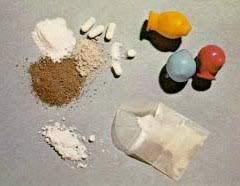
Knowing what the heroin overdose signs are could save a life if someone you know or love has a problem with heroin abuse. Death from an overdose can happen very rapidly if medical help is not received so it is imperative that this condition is noticed and help is summoned immediately. If the user is unresponsive or unconscious after using the drug then an overdose should be suspected. Other possible heroin overdose signs include:
-
Problems breathing
-
Breathing that is slow and shallow
-
Stomach cramps
-
Low blood pressure
-
Pupils which are dilated
-
Bluish color to the skin, lips, or nails
-
Confusion
-
Sleepiness
-
White patches which appear on the tongue
-
Constipation
-
Vomiting
-
Muscle spasms
-
A low heart rate
-
Dry mouth
If someone that you know has a problem with heroin abuse then it is very important to learn the heroin overdose signs, so that if this happens you know what is going on and you can get help right away. If left untreated the individual will die in many cases, and even treatment may not be effective if the overdose process has gone on too long. There are drugs which can counteract this opiate in the body but these should be given as soon as possible to get rid of any heroin still in the body. There are treatment programs which are very effective, and a heroin addiction will not go away on it’s own. You can not force someone to get the help that they need, but you can encourage this step and provide support so that the user can make a complete recovery.
Rehab Articles

Heavy drinking will increase your stroke risk in your middle years, and can boost the risk factor for a stroke even more than diabetes or high blood pressure according to the results of a research study that was recently released. The study results have been published in the medical journal Stroke. Research studies n heavy drinking in the past have shown that alcohol use does affect the stroke risk a person has, but this is the first time that a study has shown that there are differences in the risks that occur depending on age. According to St. Anne’s University Hospital’s International Clinical Research Center in the Czech Republic statistician Pavla Kadlecová, M.Sc., explained “We now have a clearer picture about these risk factors, how they change with age and how the influence of drinking alcohol shifts as we get older.”
The research study on heavy drinking and stroke risk involved over 11,500 Swedish twins who were in mid life, and these participants were tracked and monitored for more than four decades. The research study findings showed that the stroke risk for middle aged heavy drinkers was roughly 34% higher than the risk of a light drinker of the same age and with the same genes. Heavy drinkers weer far more likely to have a stroke during mid life even after environment and genetics were excluded. Pavla Kadlecová, M.Sc., continued by saying “For mid-aged adults, avoiding more than two drinks a day could be a way to prevent stroke in later productive age, about 60s.”
Rehab Articles

1. Teen pharming can be prevented when old medications that are no longer needed are properly disposed of. Many home medicine cabinets contain prescription and over the counter drugs which are expired or no longer used. When these are not disposed of they are available for any teenagers to access, and this can lead to drug abuse.
2. A locked medicine cabinet or drug box is an excellent way to prevent teen prescription drug abuse using your medications. If you have teenagers or younger children in the home it is a good idea to keep all prescription medications under lock and key. Many parents do not want to believe that teens would steal drugs that were prescribed to family members but this is a common problem.
3. If you want to prevent teen pharming make sure you talk with the adolescents in your family about the dangers of misusing and abusing prescription drugs. Many teenagers believe that since a drug was prescribed by a doctor it is safe and does not have any risks. Discuss the dangers with your kids to avoid this mistake.
4. Screening for teen prescription drug abuse is important. You want to hope that your adolescent will talk with you if they have a problem but at this stage teens often pull away. Discuss screening your teen for substance abuse with your family doctor or another healthcare professional. These professionals can also provide helpful tips on how to identify drug and alcohol abuse among teens for early detection and treatment.
Rehab Articles

Alcohol abuse and addiction is a serious problem, but there are some medications that can help with withdrawal and recovery. Each of these treatment options may be used in certain cases to increase the chances of a successful treatment program and a full and permanent recovery. Some of these medications help with the withdrawal symptoms that can send the individual back to abusing alcohol, while others are designed to help the individual avoid alcohol use in some way. Benzodiazepines and other anti anxiety drugs and anti-seizure medications may be used during the withdrawal process to minimize the symptoms experienced and help make the withdrawal process easier on the individual. These drugs also help lower the risk of seizures and other medical complications during detox, which can be very important if the alcohol abuse has gone on for a long period or the amount of alcohol consumed each day is excessive.
Some of the drugs used for withdrawal and recovery from alcohol abuse and addiction are designed to assist you in staying sober after the initial detox. Disulfiram, commonly called Antabuse, causes severe nausea and stomach upset when alcohol is consumed. Naltrexone works by interfering with the pleasure sensations that are caused when alcohol is consumed. Acamprosate helps those addicted to alcohol by reducing any cravings that are experienced. Topiramate may also be prescribed to help with alcohol addiction during the recovery process. It is also advisable to take a vitamin and mineral supplement during recovery to replenish any nutrients which have been depleted due to chronic alcohol abuse.
Rehab Articles

computer based substance abuse programs, relapse rates
One of the latest methods of treating alcohol and drug abuse is the use of computer based substance abuse programs, but are these programs really effective? Advances in technology mean that almost every household in Canada and the USA has access to a computer and the Internet, and computer based programs are being offered to military members in the USA in some situations. Computer based substance abuse programs often use a peer model, offering support and encouragement while helping the individual understand everything they need to know about their substance abuse. These programs can not be as effective as individual counseling sessions, and the person with the addiction is not secluded from the rest of the world and daily stresses. For some people a computer based model may be the only real option though, and in these situations some help is better than none at all.
The relapse rates seen with computer based substance abuse programs may be lower than some other options like faith based inpatient programs, but it can be an alternative to crowded and highly stressful community based programs with limited treatment options for some people. If you live in a remote area and there are no suitable treatment programs available that you can afford then computer based substance abuse programs may be an option. The best rehab will be the one that helps you overcome your alcohol or drug abuse and allows you to understand the problem. You should evaluate and compare treatment programs based on your specific budget, needs, and preferences for the best possible results.
Rehab Articles

alcohol use, sleep disruptions
Alcohol use before bed may seem like a good way to get to sleep, but new research shows that this can actually promote sleep disruptions in the night. A drink will have an initial sedative effect but it will not help you get a restful sleep, and researchers performed studies using EEGs and other diagnostic tests to identify why this happens. University of Melbourne in Australia researchers looked at EEG activity which showed the changes that occur during sleep after alcohol is consumed. One of the study authors, Christian L. Nicholas, Ph.D., said “People likely tend to focus on the commonly reported sedative properties of alcohol, which is reflected in shorter times to fall asleep, particularly in adults, rather than the sleep disruption that occurs later in the night. The reduction in delta frequency EEG activity we see across the ages is thought to represent normal brain maturational processes as the adolescent brain continues to develop to full maturity.
Dr. Nicholas continued by saying “Although the exact function of non-Rapid Eye Movement (NREM) sleep, and in particular SWS, is a topic of debate, it is thought to reflect sleep need and quality, thus any disruption to this may affect the underlying restorative properties of sleep and be detrimental to daytime functioning.” Since alcohol use causes sleep disruptions later in the night it should be avoided. The initial sedative effect benefit does not outweigh the drawbacks that occur. Nicholas noted that alcohol should not be used as a sleep aid, and said “Similar increases in alpha-delta activity, which are associated with poor or unrefreshing sleep and daytime function, have been observed in individuals with chronic pain conditions. Thus, if sleep is being disrupted regularly by pre-sleep alcohol consumption, particularly over long periods of time, this could have significant detrimental effects on daytime well being and neurocognitive function, such as learning and memory processes.”
Rehab Articles

e-joint, marijuana, tobacco
A recently launched e-joint device combines marijuana and tobacco in an e-cigarette, an d it was first reported by the New York Times. This device is being used in areas of the USA where medical or recreational marijuana has been legalized, places like Colorado, Washington, and Oregon. JuJu Joint, one of the brands of an e-joint, contains 100 mg of THC, it is designed to be disposable, and it can be used without causing any smoke or smell to alert others that the person is using anything. According to Rutgers New Jersey Medical School psychiatry department chairman Dr. Petros Levounis “In some ways, e-joints are a perfect storm of a problematic delivery system, the e-cigarette, and in addition a problematic substance, cannabis oil.”
The inventor of JuJu Joints, the e-joint that can be used for both marijuana and tobacco, told reporters that every inhalation is metered by the electronic device. Rick Stevens stated “Our goal is not to get people stoned so they sit in the corner and vegetate. I wanted to eliminate every hassle that has to do with smoking marijuana. I wanted it to be discreet and easy for people to handle. There’s no odor, matches or mess.” Many have voiced concerns that those under 21 could get their hands on these devices, and there are some suspected cases of this already in places where marijuana is legalized. Anyone who wants to purchase one of the e-joints must be at least 21 years old, and they cnan expect to spend between $65 and $100 for it.
Rehab Articles

teen drinking, parental influence
New research shows that parental influence can help lower the rate of teen drinking. When parents engage in good parenting practices, they keep the lines of communication open, and they place restrictions on teen drinking then this activity is less likely as a result. Craig Colder, a psychologist with the University of Buffalo, was the lead researcher on the study. The results showed that when parents had a consistent and sustained attitude about alcohol abuse then there was a lower risk of teen drinking, but it also showed that parents who talk with kids about the dangers of alcohol use when the children were younger did not continue these discussions when the children reached their teenage years. According to Colder “This finding suggests that parents shouldn’t underestimate the impact of maintaining that messaging as their children move through adolescence.”
The study on teen drinking and parental influence can be found in the publication Addictive Behaviors, and it is titled “A latent growth curve analysis of alcohol-use specific parenting and adolescent alcohol use.” Colder explained “What our data is suggesting is that you can’t control all of your kids’ decisions, but you can help them to make good choices in situations where alcohol is available. You want kids to think about and reflect upon the pros and cons of drinking based on your previous discussions.” Colder said that the research study was undertaken because “We wanted to understand how kids’ attitudes develop.” Many parents loosen rules as their children get older, and prohibitions against alcohol use tend to weaken. This can lead to a higher risk of teen drinking.