Rehab Articles

Signs of compulsive gambling indicate that the individual has a serious problem, and detecting these signs can be crucial to getting the person gambling the help that they need. Usually there are four big phases to a gambling addiction, and each person may spend a different time in each phase or even skip a phase at times. The first phase is winning, and the individual may win frequently or win big, and this just reinforces the views of the gambler. Sometimes compulsive gambling does not include a big win phases and the individual skips directly to phase two. The next phase is losing, and it is followed by desperation and then hopelessness. Once the final stage of compulsive gambling is reached the individual may consider suicide or other unacceptable options, and help is essential.
Signs of compulsive gambling that friends and family should look for include:
-
A constant need for money, financial difficulties, and frequent problems paying monthly bills and expenses.
-
Gambling becomes a constant preoccupation, and the individual will do almost anything to get a chance to gamble one more time.
-
A considerable time is spent on gambling activities or in casinos.
-
The gambler tries to cut back or stop and they experience incredible difficulty in doing this.
-
Gambling losses affect the daily life and household for the entire family.
-
The individual will lie about why money is needed, or steal from friends and loved ones in order to get money to gamble with.
-
The individual continuously believes that they are just one gamble away from a big win which will solve everything.
Rehab Articles

Addictive behavior is displayed by many people, and it is important to understand what this behavior is and why it occurs. Individuals who are addicted to any substance or activity will exhibit addictive behavior and this is an indication that treatment for substance abuse or addiction is needed. This type of behavior is very compulsive and it is caused when the substance abuse or compulsions cause the individual to lose control of their daily life and responsibilities. The negative consequences of the substance abuse or addiction are not enough to cause the individual to stop, even when they see their life falling apart and their relationships suffering from irreparable damage. Often individuals with addictive behavior tend to suffer from low self esteem, and some have a mental disorder that also needs to be addressed and treated.
If you or someone you care about displays any signs of addictive behavior then an intervention may be necessary in order to get the help that is badly needed. If left untreated then addictive behavior can start a downward spiral that is highly destructive. The specific cause of the addictive behavior needs to be identified before it can be addressed during treatment, and a dual diagnosis may be given if there is more than one issue requiring treatment. This may be the case for anyone who has substance abuse and mental disorder problems, or those who have an alcohol addiction and a gambling compulsion. The treatment provided must be closely matched to the reason for the addictive behavior or else the best possible results may not be achieved.
Rehab Articles

Are stimulant drugs being prescribed too frequently? This is a question that some medical professionals are starting to ask, and the evidence may show that the answer is yes. It is common today for children and teens to be prescribed stimulant medications in order to help them do better in school, concentrate better and focus more, and control their behavior. Some are claiming that these prescription medications are being over prescribed though, and that these drugs are being used in order to control kids and allow larger class sizes with less teacher attention and intervention. While it is true that some kids may require these medications in order to function properly there have been cases where the medications have been prescribed when other treatments including individual and group therapy may have been just as effective.
If you or your child has been prescribed stimulant drugs there are some things that need to be considered. Are these prescription medications the only treatment option that will work or are there other methods of treatment that may carry fewer risks? Therapy and counseling may offer great results but these treatments usually take some time to start showing results, and sometimes people want a quick fix without having to work on their progress. There are situations where stimulant drugs are needed but the use of these prescription medications should be weighed carefully against any risks that are involved. Stimulant drugs have a high potential for abuse and addiction, and for anyone who already has a higher than typical risk for these factors the use of stimulants should only be done after all other treatment methods have failed.
Rehab Articles
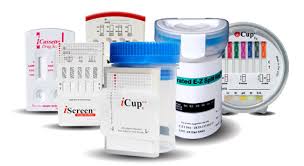
Heroin abuse is a growing problem in the USA and many other parts of the world, but until now testing for heroin with conclusive results has not been easy because this opiate comes from the opium poppy plant. This plant is also where poppy seeds come from, and if you eat poppy seeds then traditional drug testing for heroin abuse could cause a false positive for heroin. A new drug test has been developed that can distinguish between these two factors, making it easier for parents, courts, and employers to identify heroin abuse without concerns about false positive results. Researchers hope that the latest test can finally eliminate the poppy seed defense for heroin addicts. Recent research featured in the journal Drug Testing and Analysis shows great promise at eliminating the false results that poppy seed consumption can give.
The authors of the research study wanted to identify a substance that can be found in street heroin but that is not present in poppy seeds or even prescription opiates, and this substance was a unique metabolite that has been designated as ATM4G. If this metabolite is present in high amounts in the urine of the individual then this means heroin abuse has occurred. The research is still in the early stages but many believe this shows great promise for the drug testing industry. According to Dr Andrew Kicman ‘This research report addresses a longstanding analytical problem in forensic toxicology and workplace drug testing, by identifying a urinary marker that differentiates street heroin users from those whom have ingested morphine present in poppy seeds.” It may be some time before this type of testing is widespread though.
Rehab Articles

Molly is a designer drug that has gained a lot of popularity in the last few years, both with celebrities and with everyday normal people who are not as well known. Molly is promoted as a purer or safer form of Ecstasy by those who use it. The actual facts show that this is not the case though, and this drug has caused numerous overdose deaths and emergency room visits that have alarmed substance abuse and healthcare professionals. In New York last year the Electric Zoo music festival had to be shut down after two patrons overdosed on Molly. This designer drug is not safe, and it can cause permanent and irreversible damage to the brain and other organs even if the user survives.
Molly has been proven to be highly addictive, and today there is also the risk of other harmful chemicals that are being passed off as Molly by people trying to make quick money without caring who they hurt. Molly can cause hallucinations, a sense of euphoria, and an increase in energy. It is frequently used as a club drug or party drug, and is commonly combined with alcohol which can intensify the effects and the dangers of the drug. Typical Molly users are teens and young adults, although the emerging trends show that some middle aged individuals are also abusing this drug as well. Do you or someone you care about know Molly? If so then substance abuse treatment is needed to help you get your life back.
Rehab Articles

The Substance Abuse and Mental Health Services Administration, or SAMHSA, recently released the results of a study that shows the use of PCP and the ER visits caused by the use and abuse of this drug are increasing at an alarming rate. In 2011 alone there around 1.25 million Emergency Room visits caused by illicit drug abuse, many of these related to phencyclidine which is also called PCP or angel dust. In the last 6 years the rate of these visits because of PCP abuse has increased by around 400%. In 2005 there were 14,825 cases in the USA, and in 2011 this number skyrocketed to 75,538. This staggering increase shows that PCP abuse is on the rise, and the dangers of this drug are well documented.
According to the Director of SAMHSA’s Center for Behavioral Health Statistics and Quality Dr. Peter Delany “This report is a wake-up call that this dangerous drug may be making a comeback in communities throughout the nation. PCP is a potentially deadly drug and can have devastating consequences not only for individuals, but also for families, friends and communities. We must take steps at every level to combat the spread of this public health threat.” Around 66% of the ER visits for PCP are for males, and the largest increase was seen for patients between the ages of 25 and 34 years old. PCP has effects similar to LSC and MDMA, but it can include a higher level of hostility and aggression as well as decreased pain perceptions. If you or someone you love has a problem with PCP use, abuse, or addiction there is help available.
Rehab Articles

People who have a severe mental illness also have a much higher risk of substance abuse in all forms according to a new scientific study. According to the study researchers those who suffer from bipolar disorder, schizophrenia, and other severe types of mental disorders are far more likely to have substance abuse problems as well, including cigarettes and other forms of tobacco use. Previous studies that examined the link between mental illness and substance abuse did not include those who had a serious and severe mental disorder, and the new studies show that if you have a serious mood disorder or anxiety disorder then you are roughly twice as likely to end up with substance abuse issues as well. The study data was compiled using the information included in the 2012 National Survey on Drug Use and Health, and this data showed that more than 8 million people in the USA alone suffer from both of these conditions.
Even though millions of US citizens have both a serious mental disorder and substance abuse issues less than 10% receive treatment for both conditions and end up with a dual diagnosis and dual treatment plan. The newest findings show what many physicians have previously suspected, that the number of individuals who have severe psychosis and substance abuse issues have been underestimated so far and that the true figures are actually much higher. Some statistics show that a mental disorder may make you 4 times more likely to abuse alcohol, around three and a half times more likely to engage in marijuana use, and over 5 times more likely to smoke cigarettes.
Rehab Articles

A new study using animals shows that they experience a mental decline when they go through cold turkey withdrawal. If substance abuse treatment is received then this mental decline is not experienced. The study was performed by Georgetown University Medical Center, using animals that were addicted to the powerful painkiller morphine. What the study shows is that cold turkey withdrawal can be harmful, and those with drug abuse issues need to receive comprehensive substance abuse treatment in order to manage their withdrawal and benefit from better mental health. According to neuroscience professor Italo Mocchetti, Ph.D “Over time, drug-abusing individuals often develop mental disorders. It’s been thought that drug abuse itself contributes to mental decline, but our findings suggest that quitting cold turkey can also lead to damage. Interestingly, we found that treating the addicted animals with morphine both increased the protective CCL5 protein while decreasing pro-inflammatory cytokines, suggesting a beneficial effect.”
The study showed that animals which were not treated for the addiction saw the opposite in the results, with a higher level of cytokines that are damaging and lower CCL5 levels. Mocchetti went on to state “From these findings, it appears that morphine withdrawal may be a causative factor that leads to mental decline, presenting an important avenue for research in how we can better help people who are trying to quit using drugs.” The study was published in the scientific journal Brain, Behavior and Immunity. The results show just how important substance abuse treatment can be, and how a cold turkey withdrawal is not the best method to use for drug abuse.
Rehab Articles

Compulsive gambling and cocaine addiction have similar effects on decision making in the brain according to a new research study. In the study researchers from the University of Granada compared the differences and the similarities in the brain function and the psychological profile in individuals who suffered from either compulsive gambling or cocaine addiction. The compulsive gambling group showed abnormalities in brain function that were comparable to the abnormalities of the brain that were shown by those with a cocaine addiction. The brain areas affected in both groups involved the anterior cingulate and part of the prefrontal cortex, and these areas are known to provide impulse control in people. The ability of both groups to make good decisions were compromised by these abnormalities according to the researchers.
According to José César Perales and Ana Torres, the main investigators for the study, “these bad decisions affect the individuals’ ability to recognize and evaluate loss, even when this is not financial loss.” What the researchers found very interesting was that emotion seemed to make the problem worse and appeared to increase the poor decision making, and negative emotions had a larger impact than positive emotions. Loss of impulse control in both groups that were involved in the study were similar, regardless of whether the research subject was a compulsive gambler or a cocaine addict. Hopefully these findings will eventually lead to more effective treatment for both problems. Does this mean that both of these conditions are medical disorders though? What are your feelings on this?
Rehab Articles

Bulimia Nervosa is one of the eating disorders that can be extremely dangerous if left untreated, and there are many signs of this disorder that should not be ignored. This eating disorder involves binging, and the person with this disorder will consume large quantities of food in a short period of time. This is followed by the purge phase, and vomiting, extreme laxative use, and extensive and obsessive exercise may follow the binge period. The person may seem to be at a normal weight, but the binge and purge cycle will damage the health of the individual. In spite of their normal weight someone with Bulimia Nervosa will see themselves as overweight, and they may actually be disgusted or ashamed of their body image.
The most common signs of Bulimia Nervosa include:
-
Not eating meals with others, eating smaller than usual portions, or pushing food around on the plate without actually eating any
-
Exercising all the time, to an excessive degree
-
Dieting constantly even though a normal weight is maintained
-
Frequently complaining about being fat even though the individual is not overweight
-
Episodes of binge eating, large quantities of food suddenly disappearing, and the sudden appearance of many food wrappers and containers in the trash
-
Purging, frequent vomiting, or frequent laxative use
-
A tendency to go to the bathroom immediately after meals
-
Scarring on knuckles caused by induced vomiting
-
Wearing baggy clothing all the time
Do you or someone you know show any of the warning signs of Bulimia Nervosa? If so then treatment is available.
Rehab Articles

What causes alcoholism? The answer to this question is not clear cut, there are several possible factors that may be responsible and every alcoholic may have different contributing factors involved that cause their alcohol abuse. What causes alcoholism in one person may not have the same impact on another individual, and that is what makes treating alcohol abuse so difficult with a one size fits all program. The alcohol treatment program needs to have a customized treatment plan that takes into consideration the contributing factors in each individual case, otherwise the results may not be as effective and the risk of relapse can increase. What causes alcoholism? The risk factors listed below can contribute to this problem but each factor may not be relevant for some who need treatment.
-
Binge drinking
-
Drinking that starts at an early age
-
Drinking a steady amount on a regular basis over an extended period of weeks, months, or even years
-
A family history of alcohol abuse
-
Mental health problems, including depression, bipolar disorder, and schizophrenia
-
Drinking while taking certain types of medications
-
Social expectations
-
A culture of alcohol acceptance
What causes alcoholism? A combination of genetics, culture, social pressures, environmental considerations, and psychological factors. Until substance abuse treatment is received that addresses the causative factors in a specific case then a full and permanent recovery may not be possible. Knowing what causes alcoholism is the first step to treatment that actually works, because you must find out what causes alcoholism in your case and not the contributing factors for others.
Do you know what causes alcoholism in your case? If so what is it, and are you affected or is the alcoholic a friend or loved one?
Rehab Articles

Drug abuse risk factors can help determine whether you are likely to end up abusing drugs, and there are many of these risk factors that parents and family members should know. Some of the top drug abuse risk factors may be common knowledge, but others are far less known. Substance abuse affects individuals of all sexes, races, ages, economic backgrounds, and family histories. The risk factors involved can be different in every single case, so any treatment plan will need to discover the risk factors that an individual has before treatment and recovery can begin. The top drug abuse risk factors can include:
-
A family history of drug abuse and addiction. This is also true if the family history involves alcohol abuse or addiction.
-
The sex of the individual is also one of the drug abuse risk factors. Men are twice as likely to engage in drug use as women are, so males have a higher rate of substance abuse.
-
Drug abuse risk factors include having one or more mental illnesses or disorders. Depression, mania, schizophrenia, ADHD, PTSD, and other mental disorders may cause the individual to turn to drug abuse in order to self medicate their symptoms.
-
Peer pressure can be one of the big drug abuse risk factors, especially for teens and young adults.
-
Loneliness and anxiety are both drug abuse risk factors, and the individual may start to use in order to feel better or forget their social isolation.
-
Little family involvement and communication is another of the drug abuse risk factors.
-
Taking a drug that is highly addictive can cause addiction, even if the drug is only used once.
What other drug abuse risk factors do you know about?