Rehab Articles

1. If you are struggling with one of the eating disorders then set up extra support options during the season. This will allow you to call or visit someone when you are tempted to give in or you are struggling to cope with negative thoughts or emotions. Reach for the phone instead of the food and give your support person a call.
2. Ask someone that you trust to act as a reality check for you during the holidays when it comes to food. This individual can help prepare a plate for you, recommend whether your portion sizes are correct, and even help you determine when you have had enough or if your food intake is not sufficient.
3. People who struggle with eating disorders need to place a focus on time spent together. Plan an event where the food items offered are less important than the activities and events scheduled. Invite others to an evening of holiday games and cheer, with non alcoholic beverages and healthy nibbles for them to snack on.
4. Make sure that you give yourself plenty of down time during the holidays. This time of year can mean many invitations and events to attend, leaving you short on time that you need to relax and unwind. Learn to say no and politely decline invitations that are not a priority for you. When you are tired or stressed you are more likely to give in to unhealthy eating patterns so avoid these factors at all costs.
Rehab Articles

1. Dealing with eating disorders during this season can be hard, but it will be easier if you eat regularly and plan ahead when you will be attending social events. It is a mistake to skip meals or to eat in a pattern that is not reasonable because you may have indulged before.
2. Carefully choose the events that you attend during the holidays. Before you go eat something so that you do not arrive famished. This will help you stick to the plan and the foods that are acceptable and help you avoid overeating or being tempted in other ways. It is okay to turn down invitations if you feel the events pose a risk to your recovery and well being.
3. Talk about any questions or anxieties that you have concerning eating disorders with your treatment team and your support group ahead of time. These individuals may be able to help you get through the season without any additional problems, and keep you on track with your treatment plan.
4. Before you go anywhere for the holidays know what to expect and make sure that there are no unpleasant surprises. If you have a binge eating disorder then going to a cookie swap party may be a bad idea and it may be better to decline this invitation so that you are not tempted to give in.
5. Focus on fun instead of food. Spending time with family and friends can help you enjoy the season without the focus always being on what is served and what you eat. Bring along a few healthy snacks to nibble on during the event. If anyone asks simply tell them you are currently following a special diet that your doctor recommended.
Rehab Articles

According to a recent study bipolar disorder may be linked with having low levels of specific Omega 3 fatty acids which are able to cross the blood brain barrier. Pennsylvania State College of Medicine researchers, together with National Institutes of Health investigators, believe that the study results could lead to effective dietary interventions for this mental health disorder. It is too soon for investigators to understand whether there is a cause and effect between these two factors or if the link between Omega 3 fatty acids and bipolar disorder simply shows that those with this disorder convert Omega 3’s at a lower or different rate than individuals without bipolar. These fatty acids have a large biological significance in the way that the brain functions. Studies in the past have shown that many with unipolar depression can benefit from more of these fatty acids but the results with bipolar disorder have not been as clear.
Pennsylvania State College of Medicine psychiatry chair, associate professor, and bipolar disorder and omega 3 fatty acids study leader Dr. Erika Saunders explained the findings. “This means that the availability of omega-3 in the body is lower in bipolar subjects. Omega-3 and omega-6 fatty acids can shift the balance of inflammation, which we think is important in bipolar disorder. We are actively pursuing the next step in this line of inquiry to get to the point where we know what changes in diets are going to help people with bipolar disorder so they can have another option beyond the medications that are currently available. I think our work, along with the work of others, shows that this is an important area for us to continue to study. It’s complicated and hard to study, and there are a lot of factors, but it’s an area we need to keep pursuing.”
Rehab Articles
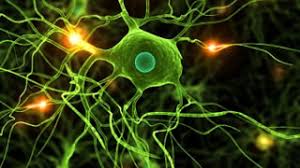
Researchers have recently determined that neurochemical imbalances linked to 2 different neurochemical systems in the brain cause PTSD susceptibility. Uppsala University and the Karolinska Institutet in Stockholm, Sweden, researchers and investigators teamed up to identify the causes and linked associations with PTSD and what they found was not surprising. The more out of balance these 2 neurochemical systems are the more severe the post traumatic stress disorder symptoms can be. In the past research has shown that those who suffer from PTSD have brain function and physical brain anatomy that is changed and altered when compared to those who do not have this condition. The systems in the brain affected by PTSD include serotonin and a chemical termed substance P. The researchers used PET imaging scans in order to determine the link between these 2 neurochemical systems and PTSD. When these systems are not properly balanced then one or both signaling systems can cause symptoms of post traumatic stress disorder.
The study results on neurochemical system imbalances and PTSD were published and can be found in the Molecular Psychiatry journal. According to Uppsala University Department of Psychology researcher and lead study author Andreas Frick “At present, PTSD is often treated with selective serotonin re-uptake inhibitors (SSRIs) which have a direct effect on the serotonin system. SSRI drugs provide relief for many but do not help everybody. Restoring the balance between the serotonin and substance P systems could become a new treatment strategy for individuals suffering from traumatic incidents.” The study showed that the level of imbalance between the different neurochemical signaling systems will determine how severe the PTSD symptoms become.
Rehab Articles

Psychiatric medications often have many possible side effects, most of which are rare and can be managed by working with the physician and mental health specialist involved in the case. There are some common side effects that may be unavoidable though, leaving patients no choice but to learn how to live with these issues in order to maintain their mental health. Changes in taste, dry mouth, memory problems, and even frequent urination and a sudden urge to urinate are all common side effects for most if not all psychiatric medications. Anyone who has ever sat in on a therapy group with individuals who take this class of drugs understands that these problems are very real and very common. There are ways to alleviate these symptoms or manage them so they are not as troublesome.
One of the common side effects with psychiatric medications is a change in taste, and this is one that may be difficult to live with. Patients report that foods which they used to enjoy now taste different, or even have a foul taste to them. This can create a big problem because proper nutrition is important for both mental and physical health. It can take time to adjust to the changes in your taste and in the meantime food and drink may not be very appealing. Dry mouth and frequent thirst can be managed easily by keeping liquids available at all times. Frequent urination and the sudden urge to go can be managed by using the bathroom more often. Psychiatric medications affect the way that the brain thinks and functions, and it is common for these drugs to interfere with memory on some level. If the memory problems become severe then the drugs used may need to be adjusted or changed to minimize this side effect. Have you ever experienced any of these common side effects? If so which ones? How did you deal with it?
Rehab Articles

1. Hidden depression is a mental disorder that is not always obvious, but there are some warning signs that you can watch for. One sign that this condition may be a problem is having patterns that deviate from normal at times. You may notice that you or a loved one develop unusual sleeping habits, changes in eating patterns, or even a difference in the level of consumption or abuse that occurs. The changes may be small at first but if the depression is not addressed these changes could become more severe as time goes on.
2. One sign of mental health problems that can include hidden depression is a level of optimism that is lower than normal for the person involved. If you or a loved one start to be less optimistic about normal situations and events this this can mean you could actually be starting to spiral and are depressed, whether this is something you are willing to admit to yourself or not. A loss of optimism should be taken seriously because it is a reflection of how your thoughts and mental processes are changing as a result of the condition.
3. One of the most common hidden depression warning signs is forced happiness, and a desire to avoid being in social situations with other people. These individuals try to appear happy when they are with others but if this goes on for any length of time the mask of happiness will start to slip and the true emotions of the individual may start to show. It is also very common for these individuals to make excuses about declining social invitations so that they are not forced to try and show happiness when this is not what they truly feel.
Rehab Articles

Mental health courts are starting to appear in many areas in the USA, and in other parts of North America as well, but what are these courts and what do they have to do with mental disorders? Many people who get caught up in the legal system have serious mental health issues, and these issues are not addressed in the jails and prisons. Mental health courts offer sentencing flexibility which ensures that the individual received needed mental health treatment instead of simply being incarcerated. Evidence has shown that without treatment mental illness typically becomes more severe. Incarceration is not the answer because in most settings the best possible treatment for mental health issues are not offered. Mental health courts were started to try and address the needs of mentally ill individuals who enter the criminal justice system.
Mental health courts offer diversion from the usual criminal justice system and sentencing options when an individual defendant has one or more mental disorders and the court feels that jail or prison would not be in the best interests of justice. A lack of mental health treatment opportunities for many people can lead to criminal acts being committed, and the individual involved needs help with mental illness. Mental health courts can be very effective at providing treatment options and integrating the mentally ill person back into the community rather than simply locking them up and failing to provide treatment for their mental disorders. These special courts are not available in all areas but many larger cities have implemented them in order to reduce the number of people incarcerated and provide mental health treatment to those who need it.
Rehab Articles
 The holidays are supposed to be a time of joy, with celebrations and fun parties to commemorate this time of year. For some with mental illness nothing could be further from the truth and the holidays may be an agonizing time that offers little joy or happiness. These individuals want to be happy and share in the festivities but they are not able for a variety of reasons. The Christmas season can be a time of loneliness and depression for individuals who have one or more mental disorders, and this can make their condition worse instead of bring joy and peace. A common misconception is that these individuals should simply snap out of it but this is not actually possible. Mental illness is as real as physical illness and disease. You wouldn’t tell someone with pneumonia to simply suck it up and get better and the same goes for any mental disorder.
If you or someone you love suffers from mental illness there are some things you can do to make the holidays better this year. Don’t skip any treatment sessions if you are already in treatment. If you are not receiving treatment for mental health problems then now is the time to get started on it. There is treatment available which can help you take your life back. If a loved one struggles with a mental disorder offer support. Go with them to therapy, and let them know that you are there is they need anything at all. Don’t wait until symptoms worsen or the mental illness spirals out of control.
Rehab Articles

The link between mental illness and violence have led to individuals who have a mental illness being singled out or viewed with fear instead of compassion. Numerous studies and statistics show that people who are mentally ill are much more likely to commit suicide than they are to direct violence at someone else. In the USA alone in the year 2013 16,000 homicides were committed, and only 5% or around 800 of these homicides were committed by someone with a mental illness. In the same year 41,000 people commuted suicide in America, and around 90% of these individuals had at least one form of mental illness. These numbers show that someone who is mentally ill is more likely to harm themselves than they are to be violent with others.
The key to stopping violence and lowering the suicide rate is effective treatment for mental illness. Often individuals who have mental problems fall through the cracks. Treatment may be difficult to obtain, and mental illness can affect the thinking and decision making that the individual engages in. Many are calling for better mental health services and earlier intervention, and some are advocating for a return of policies from the past when the mentally ill were locked up indefinitely. Politicians rarely point out the suicide rate for mentally ill people while at the same time they are quick to blame mental illness when a mass shooting occurs and the perpetrator suffered from a mental condition. Until treatment for mental health is available to everyone who needs it there will be incidents of violence but these are much smaller than the number of people who take their own lives because they are mentally ill.
Rehab Articles
Neuroscientists recently performed a brain imaging study at the Oxford University, England, and the study results showed that a lack of motivation can impact brain function. The team of scientific researchers determined that the brain function in individuals who had a lack of motivation was significantly different from the brain function of individuals who were motivated. Neurology and cognitive neuroscience professor Dr. Masud Husain explained that “We know that in some cases people can become pathologically apathetic, for example after a stroke or with Alzheimer’s disease. Many such patients can be physically capable. Yet they can become so demotivated they won’t be bothered to care for themselves, even though they’re not depressed. By studying healthy people, we wanted to find out whether any differences in their brains might shed light on apathy.”
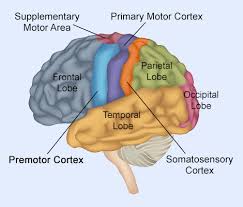
The imaging study on brain function and lack of motivation involved 40 volunteers, all who were healthy. The volunteers were given a questionnaire on motivation and then played a game that involved reward and effort while their brain function was scanned. Those with a lack of motivation were less likely to choose small rewards that required big effort, and more likely to choose large rewards that required little effort on their part. The imaging showed that the premotor cortex in people with a lack of motivation was more active, and this surprised the researchers. Dr. Husain said “We expected to see less activity because they were less likely to accept effortful choices but we found the opposite. We thought that this might be because their brain structure is less efficient, so it’s more of an effort for apathetic people to turn decisions into actions. Using our brain scanning techniques, we found that connections in the front part of the brains of apathetic people are less effective. The brain uses around a fifth of the energy you’re burning each day. If it takes more energy to plan an action, it becomes more costly for apathetic people to make actions. Their brains have to make more effort.”
Rehab Articles

Seasonal depression, also called seasonal affective disorder or SAD, is a problem that many people deal with as the seasons change and we have fewer daylight hours. There are a number of therapy options available for his condition, an two of these are light therapy and talk therapy. Sadness, depression, and excessive fatigue are common and many people experience these symptoms in the winter months when the days are shorter. A new study shows that when it comes to treating seasonal depression talk therapy may provide more effective results than light therapy. Cognitive Behavioral therapy or CBT may be more effective according to researchers from the University of Vermont. The researchers found that light therapy can be helpful when the depression and other SAD symptoms are acute, but a CBT treatment method tailored specifically for SAD patients provided long term and future improvements as well.
The University of Vermont study is the very first one to examine how effective light therapy is over time and whether CBT is more effective over a longer period. Kelly Rohan, a psychology professor, explained “Light therapy is a palliative treatment, like blood pressure medication, that requires you to keep using the treatment for it to be effective. Adhering to the light therapy prescription upon waking for 30 minutes to an hour every day for up to five months in dark states can be burdensome.” Rohan also discussed CBT therapy and stated “The degree of improvement was substantial. Both treatments showed large, clinically significant improvements in depressive symptoms over six weeks in the winter.”
Rehab Articles

Neonatal abstinence syndrome is becoming a big problem in North America. The babies born with an opioid addiction can suffer horribly, and require lengthy hospital stays and extensive medical treatment after they are born. Cincinnati Children’s Hospital Medical Center reserchers have discovered that computer based modeling used to simulate how the drug moves through the body of the infant from administration through complete elimination could lower the hospitalization time and the treatment required. The admission of newborns who suffer from neonatal abstinence syndrome has increased significantly in the last decade or so. Researchers say that it is critical that NAS is discovered and diagnosed before the newborn is discharged and taken home. If this happens then the baby must struggle through the withdrawal without any medical treatment and support.
The study on neonatal abstinence syndrome and opioid addiction provides hope for more effective treatment methods. Symptoms of NAS may not appear in the first 48 hours and many insurance companies only allow a 48 hour stay after childbirth. Lead study author and Perinatal Institute at Cincinnati Children’s Hospital researcher Eric Hall, Ph.D., discussed the study. “The incidence of neonatal abstinence syndrome after an infant’s in utero exposure to opioids has risen dramatically in recent years. Future protocol refinements may include personalized treatments, including strategies based on bedside pharmacogenetic analyses or individual opioid exposure profiles, which take into account individual genetic responses to drugs.” According to Cincinnati Children’s Hospital pediatrician Scott Wexelblatt, M.D., “Prior to this program, one of four women using opioids went undetected. Today we are detecting nearly all.”