Rehab Articles

compulsive gambling, treatment for compulsive gambling
1. Dealing with compulsive gambling can be just as devastating as addiction, but there are options when it comes to treatment for compulsive gambling. In order to get help all you have to do is admit that you have a problem and seek treatment, but this step can be very difficult for some people.
2. Set a date to stop your compulsive gambling, and count down until this date arrives. This gives you a chance to get motivated and strengthen your resolve, and this means that you will be less likely to give in when you start to crave the excitement and rush that you get when you gamble.
3. Compare the options that you have when it comes to treatment for compulsive gambling. Look at each program and determine what methods and techniques are used in your treatment. If these do not include individual counseling to root out the causes of your compulsive gambling then a program may not be very effective and you could end up needing further treatment later on as a result.
4. If you have a problem with compulsive gambling than an extended support network is required. This is in addition to treatment for the compulsive gambling. This support network can help you through the toughest times, offering support and encouragement when you feel ready to cave and hit the casino floor once again.
5. If you relapse then seek treatment for compulsive gambling again, and do this until you finally succeed. You do not have to let compulsive gambling ruin your life.
Rehab Articles
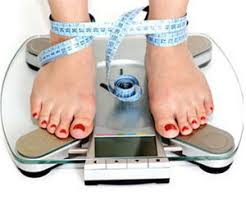
Anorexia nervosa, types of eating disorders
1. Anorexia nervosa is not about dieting or food, this disorder goes much deeper than that. This is one of the types of eating disorders that is very complex, and it has psychological and social components that can make effective treatment very difficult. Food is linked to body image or control in some cases and this link must be severed with intensive counseling.
2. Most types of eating disorders have a false body image factor, but this is just one of many factors that needs to be addressed. The reason for the anorexia nervosa will vary from one person to the next, and the only way to get to the root causes is with individual counseling several times a week.
3. There are two types of eating disorders when it comes to anorexia nervosa, restricting and purging. With restricting anorexia nervosa yo will try to lose weight or maintain an unhealthy body weight that is too low by using very strict diets, exercising almost around the clock, and even fasting completely at times. This restricts the calorie intake.
4. Purging anorexia nervosa is when you achieve weight loss by eating normally or even over eating and then purging yourself. You may force vomiting after every meal and snack, you may use laxatives in large amounts, and the use of diuretics is common with many types of eating disorders.
5. Anorexia nervosa is one of the types of eating disorders that can be treated with the right methods and counseling types. If you or someone that you care about has any eating disorder it is important to seek help as soon as possible.
Rehab Articles

dual diagnosis, dual diagnosis treatment
A dual diagnosis occurs when you are diagnosed with a mental disorder and a substance abuse problem, but how is this made and what dual diagnosis treatment options are available? When you first seek help for either the substance abuse or the mental disorder it is important that all of your conditions and medical issues are known. The first step should be a complete evaluation, with a physical exam, testing, and a complete diagnostic work up. This will help to ensure that any mental disorder is identified along with the substance abuse. When a dual diagnosis is provided then dual diagnosis treatment will involve a specific plan for each of the conditions that you have, so all of the problems are addressed at the same time.
Dual diagnosis treatment is critical, because if both conditions listed in the dual diagnosis are not addressed and effectively treated then a full recovery will not be possible. When only the substance abuse or the mental disorder is treated then the other problem will still cause issues, and you will not be whole. Dual diagnosis treatment needs to be personalized for your specific needs and the mental disorders that are present. When a mental disorder is present it may take some time to determine whether the addiction or the mental illness is the underlying disorder and which problem is contributing to the other. If this is not done then dual diagnosis treatment is not going to be effective, and you could end up relapsing soon after you leave treatment for the dual diagnosis.
Rehab Articles
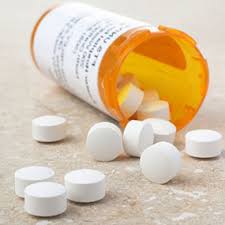
ADHD medications, substance abuse
Today physicians are learning more about preventing substance abuse with ADHD medications, and this training is sorely needed. Guidelines have been issued by the American Academy of Pediatrics to ensure proper care for children who are given these medications in order to prevent substance abuse. Children who have ADHD have a higher risk for substance abuse according to a recent paper which was published in the Pediatrics Journal. The guidelines released on ADHD medications in children includes practical advice to physicians about the potential for abuse with ADHD medications and signs to watch for that would indicate substance abuse of any type. It is becoming more common for children and teens who are prescribed stimulants to have the opportunity to buy, sell, trade, and misuse these medicines in a number of ways.
Authors of the recent report on ADHD medications and substance abuse with these drugs stated “Prescribers are cautioned that many school-aged children with ADHD- up to 23% – are approached to sell, buy or trade their medication. Stimulant medications have the potential for misuse, diversion and addiction. Treatment of ADHD symptoms with stimulant medication may reduce the risk of developing substance use disorders. ” The report goes on to caution that every provider follow safe stimulant prescribing practices to ensure that the ADHD medications are used as intended and do not provide the opportunity for substance abuse. In addition a physician should confirm any ADHD diagnosis before prescribing ADHD medications which have a stimulant effect. There are many other disorders which can also cause symptoms of this condition.
Rehab Articles
Someone who displays the signs of compulsive eating may be suffering from one of the eating disorders and not even realize it. This condition is often called a food addiction, and it may be caused by some of the same factors that lead to substance abuse in others. The need to overeat may be due to an emotional state or a traumatic event earlier in life. Would you recognize the signs of compulsive overeating if you experienced or saw them? For many people the answer is no.
Some of the common signs of compulsive eating may be similar to those of certain other eating disorders. Binge eating occurs when large amounts of food are consumed in a single sitting, and you continue eating long after your hunger has been satiated. Other possible signs of compulsive overeating can include:
- Eating food faster than usual
- Being preoccupied with your weight
- Feeling guilty when you eat too much
- Being ashamed of your eating habits
- Eating in private when no one else is around
- Hiding food, or hiding evidence of the amount of food that you have consumed
- Weight that fluctuates frequently
- Constantly dieting yet failing to lose weight
- Being overweight from eating large amounts of junk food
- Obesity related medical and health conditions
- Depression
- Mood swings
- Losing interest in the usual activities because you are concerned about your weight or how you look
- Using food as a source of comfort or a friend
Rehab Articles

alcohol abuse, military veterans
New research shows that military veterans may engage in alcohol abuse due to the stressors of civilian life, and that this is a higher risk for military veterans than for civilians. National Guard soldiers who returned home after leaving the service were far more likely to engage in alcohol abuse if they experienced setbacks in their civilian life. Some of the biggest stresses included serious legal issues, divorce, the loss of a job, or serious financial problems like bankruptcy or home foreclosure. The results of this study can be found online in the American Journal of Preventative Medicine. Military veterans who return home are at a higher risk of alcohol abuse when life gets tough and civilian stress is high, and in depth help is needed to help these vets acclimate to the stress of civilian life.
Assistant Professor of Epidemiology at the Mailman School of Public Health at Columbia University Magdalena Cerdá, PH.D., MPH, who was the lead study investigator, discussed the findings regarding military veterans and alcohol abuse. “Exposure to the traumatic event itself has an important effect on mental health in the short-term, but what defines long-term mental health problems is having to deal with a lot of daily life difficulties that arise in the aftermath — when soldiers come home. The more traumatic events soldiers are exposed to during and after combat, the more problems they are likely to have in their daily life — in their relationships, in their jobs — when they come home. These problems can in turn aggravate mental health issues, such as problems with alcohol that arise during and after deployment.”
Rehab Articles

alcohol use, alcohol abuse, sleep disturbances
Study results have shown that alcohol abuse can cause sleep disturbances even after all alcohol use is stopped. A number of studies have shown that the sleep patterns of current and past alcoholics are not the same as sleep patterns which occur in those who have never abused alcohol. One of the relevant studies was published in the Oct 1 2009 Sleep journal, and the study involved 84 people. It has long been seen that alcohol use can impact sleep, but 42 study participants were previous alcoholics in recovery and 42 study participants had never had any issues with alcohol abuse. Everyone who participated in the study had an overnight stay in the sleep lab and they were attached to monitors to study their brain and sleep patterns.
Alcohol use and alcohol abuse cause sleep disturbances, but what was a little surprising was the sleep patterns that were seen in individuals who were previously alcoholics but who had been in recovery for at least 30 days, and some of the study participants had been in recovery for much longer than this. Even after being clean and sober for at least 30 days, and in some cases many months, those who had alcohol abuse issues in the past still had sleep disturbances. Alcohol use causes reduced REM sleep and it may be possible that the sleep disturbances seen in previous alcoholics is the attempt by the body to recover from insufficient REM sleep.
Rehab Articles

alcohol abuse, drug abuse, counseling
Alcohol abuse may be helped by a brief period of counseling but this is not the case with drug abuse according to a new study by Boston University. For more than 10 years the Substance Abuse and Mental Health Services Administration, an agency of the United States federal government, has recommended substance abuse screenings and brief periods of counseling for alcohol and drug abuse. According to the Boston University study the results of these recommendations are somewhat surprising. The approach used was often effective for individuals who engaged in alcohol abuse, but the effectiveness dropped sharply when drug abuse was studied.
According to Dr. Richard Saitz, the leader of the study and the Boston University School of Public Health community health sciences chairman, “Brief counseling can work for a lot of things, but we found no evidence to support the widespread implementation of universal screening and brief intervention for illicit drug use or prescription drug misuse. In retrospect, drug use is a complicated problem. While there might have been some hope that something as simple as this would work, it now appears it doesn’t. People who are using drugs and admit to using drugs are already doing something not socially sanctioned, so getting them to change their behavior may be harder.” Saitz went on to state “Despite many reasons to not use, they are continuing to do so. A few minutes of counseling is not going to change that. Because each drug is different a universal intervention is especially difficult. What works to address marijuana use may not work to stop heroin injecting, for example. One-time brief counseling is simply inadequate to address these complexities, even as an initial strategy. Even with alcohol use multiple interventions have been more successful than one-time sessions.”
Rehab Articles

alcohol commercials, underage drinkers
Recent research has shown that underage drinkers are usually strongly affected by alcohol commercials. According to the study underage drinkers were 300% more likely to pick brands of alcohol which they had previously seen alcohol commercials for. The study was conducted by the Center on Alcohol Marketing and Youth, which is at the Johns Hopkins Bloomberg School of Public Health, and the Boston University School of Public Health. David Jernigan, Ph.D, and the CAMY director as well as one of the authors of the study, reported that “There is a link between exposure to brand-specific advertising and youth choices about alcohol, independent of other factors.” The lead study author and the Virtual Media Resources President, who also has an MBA and Ph.D, Craig Ross, stated “Taken together, these studies strengthen the case for a relationship between brand-specific alcohol advertising among underage youth and brand-specific consumption. As alcohol continues to devastate so many young lives, youth exposure to alcohol advertising should be reduced.”
More than 1,000 individuals who were aged 13 years old to 20 years old took part in the study on underage drinking and exposure to alcohol commercials, and this exposure occurred in magazines as well as on television commercials. The study showed that underage drinkers were more likely to remember the brands and products that were featured in alcohol commercials that the teens were exposed to. Boston University School of Public Health researcher Michael B. Seigel, who holds an MD and MPH and who co authored the recent study, observed that “The question now becomes what do alcohol advertisers do with this information, given the consequences of alcohol consumption in underage youth.”
Rehab Articles
A study performed in collaboration between Boston University School of Medicine and the University of Cambridge in the UK was recently published in the online version of the journal Neuropsychopharmacology, and this study shows that there may be a link between food addiction and impulsive behavior. A number of research studies have shown that healthy people tend to be less impulsive in general, but it is not certain whether the food addiction or other eating disorder causes the impulse problems or if it is a result of impulsive behavior instead. BUSM pharmacology and psychiatry associate professor Pietro Cottone, PhD, who also happens to be the co-director of the Laboratory of Addictive Disorders, explained. “While impulsivity might have aided ancestors to choose calorie-rich foods when food was scarce, our study results suggest that, in today’s calorie-rich environment, impulsivity promotes pathological overeating.”
Food addiction is a growing problem across the world, and impulsive behavior is also becoming a common trend as well. When you have poor impulse control you are more likely to give in, and this includes where food is concerned. The reward center of the brain is stimulated by the food consumption when you suffer from a food addiction, the same way that someone who is addicted to heroin gets high when using the drug. Eating makes the individual feel good, and they may have difficulty regulating their food intake as a result. Further studies may help identify the causes of the link more clearly.
Rehab Articles

teen substance abuse, teen alcohol and drug use
1. Talk to Your Teen- Talking with your teens can help prevent teen substance abuse. Discuss teen alcohol and drug use with your adolescents, even if it seems like they are not listening to you. Studies have shown that the message does get through even if you do not think you are making a difference.
2. Research Early Prevention Programs- Early prevention programs can drastically reduce teen substance abuse. Many programs show the positive side of staying sober, and this can help combat social media posts and other pro substance abuse messages that teens may come across.
3. Set a Good Example- The old saying do as I say not as I do does not work. Set a good example for your teens by showing them how to have fun and be responsible citizens without engaging in teen alcohol and drug abuse by avoiding these behaviors yourself. If you drink or use drugs then this sends a message that this behavior is acceptable.
4. Set Clear Rules and Consequences- Let your teens use you as a scapegoat against peer pressure. Set very clear rules, and make sure that your teens understand the consequences if these rules are broken. This gives them an out when friends are trying to pressure them into teen alcohol and drug use, and you can be the bad guy with their peers so they save face.
5. Look for Signs of Teen Substance Abuse- Stay vigilant and watch for any signs of possible teen substance abuse. Many parents perform home drug screens on their children so that any teen alcohol and drug use is discovered as early as possible.
Rehab Articles

binge drinking, teen alcohol abuse
Teen alcohol abuse, and binge drinking among all ages, are big problems but a new report by the American College of Emergency Physicians show that sending text messages to the individual after they have had an Emergency Room visit can be beneficial and help lower the risk of binge drinking and teen alcohol abuse. Researchers found that adolescents and young adults who were seen in the ER and who had a positive history for alcohol abuse were more than 50% less likely to engage in dangerous drinking when they received follow up text messages the next day.
According to University of Pittsburgh School of Medicine physician Dr. Brian Suffoletto “Each day in the U.S., more than 50,000 adults ages 18 to 24 visit ERs and up to half have hazardous alcohol use patterns. More than a third of them report alcohol abuse or dependence. The emergency department provides a unique setting to screen young adults for drinking problems and to engage with them via their preferred mode of communication to reduce future use.” Dr. Suffoletto went on to say “Illicit drugs and opiates grab all the headlines, but alcohol remains the fourth leading cause of preventable death in the U.S. If we can intervene in a meaningful way in the health and habits of people when they are young, we could make a real dent in that tragic statistic. Alcohol may bring them to the ER, but we can do our part to keep them from becoming repeat visitors.” The report and underlying study was published in the online version of the Annals of Emergency Medicine.