Rehab Articles
Faces of Addiction, substance abuse
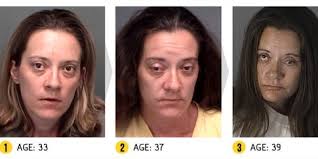
Faces of Addiction photos show the toll that substance abuse takes, letting people see physical evidence of what the use of drugs and alcohol will do over time. In the year 2013 alone, the latest statistics available right now, there were more than 24 million people just in the United States who reported abusing illegal street drugs or prescription medications each month. The latest project is an attempt to make people stop and think before engaging in substance abuse. The photos displayed on the Faces of Addiction project involved 13 different individuals who have had arrests for a variety of drug charges that included pain medications, cocaine, and methamphetamine.
The contrast between the before and after photos with the Faces of Addiction project are shocking, and the website does disclaim that the changes are not only a physical result of substance abuse. People who have an addiction typically follow a devastating path that includes self neglect because the drugs take over, and taking care of their appearance and health is a secondary concern. According to the website “The pursuit of a drug habit can cost these people everything – their friends and family, their home and livelihood. And nowhere is that impact more evident than in the faces of addicts themselves.” Some of the after photos show incredible premature aging, missing teeth, open sores and lesions, shrinking and facial wasting, and other changes which are severe. Faces of Addiction shows what happens when substance abuse sets in and continues for a year or more.
Rehab Articles
random drug testing, medical care professionals
Random drug testing is common in many professions and across much of North America, especially in the USA. Many medical care professionals are not forced to undergo random drug testing though, and that has placed a large number of patients at risk. When people think about substance abuse in the medical professional the first though that usually comes to mind is doctors, but a number of high profile cases in the USA show that nurses, radiologists, surgical technicians, and other professionals in the medical field also have a higher than average rate of substance abuse, and sometimes the drugs that are abused are stolen from the very patients who these substances are prescribed for. Many of these professional must pass a pre employment drug screen but once they are hired random drug testing is not performed.
Medical care professionals have very stressful jobs, and this increases the risk of drug abuse. Random drug testing on a regular basis could eliminate much of the patient risk in these situations, and uncover drug abuse before it spirals out of control and affects the patients. In Michigan a doctor and a nurse were found overdosed within days of each other right on the hospital campus, one died and one survived. The drugs that caused the overdose were taken from the supply on hand at the hospital. Many patients have suffered excruciating pain after surgery because the pain medications they were supposed to receive were used by medical professionals, and the syringes were refilled with saline. Some patients have even contracted diseases like Hepatitis because of these actions. Random drug testing could help keep medical professionals clean, and identify problems as soon as they start.
Rehab Articles

Hysingla ER, hydrocodone abuse
Hydrocodone abuse is a big problem, and not just in the USA. This has led to FDA approval for a new form of hydrocodone pill called Hysingla ER which offers extended relief for severe pain while being very difficult to abuse at the same time. Most of the hydrocodone medications o the market can be easily abused, and the rate of illegal hydrocodone abuse in the last few years has skyrocketed because most of these medications do not have any safeguards against abuse. The pills are snorted, crushed, chewed, or injected to amplify the narcotic effects. This is far more difficult with the newest form of the drug approved by the FDA. Hysingla ER is only intended for patients who have extreme pain around the clock, and who do not benefit from other pain management treatments or less powerful painkillers.
Hysingla ER was developed by Purdue Pharma, and it is intended for a once daily dose which has an extended relief feature. This allows the drug to be effective for roughly 24 hours in most patients, and it is very hard to use for hydrocodone abuse because the pills do not crush or dissolve easily. This is not the first abuse resistant form of hydrocodone to hit the market, last year Zohydro was approved by the FDA but the product from Zogenix is designed to be taken twice daily, every 12 hours. Hydrocodone abuse is a big issue, but patients with severe and debilitating pain still have a right to proper pain management. Patients with a legitimate need for pain medications should not be made to suffer because of those who abuse these drugs.
Rehab Articles
substance abuse recovery, relapse triggers
1. Old Friends- One of the biggest obstacles to substance abuse recovery and one of the most common triggers for a relapse is old friends. These are friends that you use to drink or do drugs with, and just seeing these friends and hanging out can weaken your resolve to stay clean.
2. Old Haunts- One of the biggest relapse triggers is visiting places where you use to go and abuse substances. This place may be a neighborhood bar, the house of a friend who used to use with you all the time, or even places that you associate with your substance abuse for some other reason.
3. Old Thoughts-Part of successful substance abuse recovery is changing the way that you think, and if you start finding old thoughts coming back then this can trigger a slide backwards. If you experience moodiness, or you start to feel selfish or find yourself thinking what about me then additional counseling may be needed to avoid a relapse.
4. Missing Meetings and Counseling Sessions- One of the relapse triggers that many people report is missing meetings and counseling sessions. Recovery is a long process, and these sessions and meetings help you stay strong against the alcohol or drug.
5. Remembering Substance Abuse in a Favorable Light- If you are in substance abuse recovery then one warning sign of a possible relapse is viewing your past use in a favorable or positive light. You may start to romanticize your past substance abuse activities or experience a sense of nostalgia for the old days.
Rehab Articles
prescription drug addiction, substance abuse treatment
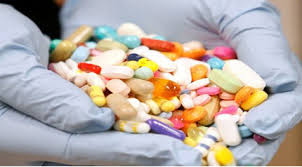
Prescription drug addiction is a common problem, one that many people have experienced in their lives. Without substance abuse treatment that is effective the problem will just continue to get worse, and eventually the health or even the life of the user may be at risk. There are many types of medications that can cause a prescription drug addiction. Opioid pain medications are commonly abused because of the sense of euphoria that they may offer. Strong opiates like Oxycontin can involve a very high overdose risk yet individuals continue to abuse these drugs. Tranquilizers are also the frequent target of those who need substance abuse treatment, and some entertainers have even created songs and jokes about these medicines. There is nothing funny about a prescription drug addiction though, this is a serious problem that needs to be addressed and resolved.
If you or someone that you know has a prescription drug addiction then it is essential that you receive substance abuse treatment. This type of problem does not have to continue, and it is possible to take your life back and feel good without drugs once more. Look for a substance abuse treatment program which offers individual counseling, anger management, physical fitness, and nutritional counseling. Each of these elements are important for a permanent recovery. It is also best to avoid rehab programs which are very crowded or extremely stressful, because you will probably not get exceptional results from these programs due to the negative environment. Don’t let prescription drug addiction destroy your life!
Rehab Articles
designer drugs, club drugs
1. 5-MeO-AMT- This is one of the designer drugs that is becoming more widely available in the USA. This substance may also be referred to as alpha or O-DMS, and it is a hallucinogenic drug with effects that can last about 18 hours per use. This drug is one of the tryptamines, and it may be snorted or smoked but a favorite way to use it is to dissolve the powder in alcohol or water and then drip it onto sugar cubes, small paper squares, or candy pieces.
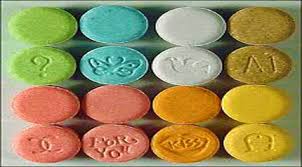
2. Ecstasy- This is one of the club drugs that is very popular, but it can also be very dangerous. Also known as MDMA, ecstasy lowers inhibitions. It can be found in pill form with a wide range of cute logos or pictures on the tablet. Much of the drug sold today as ecstasy does not contain much MDMA , if any at all. These pills can contain many substances, some of them harmful or even toxic.
3. GHB- GHB is one of the designer drugs often sold in clubs and at raves, and it is a central nervous system depressant. The human body does have a small amount of this substance which is produced naturally, but this is in amounts far lower than when the drug is taken orally.
4. Ketamine- As far as club drugs fo ketamine seems to be a popular favorite, in spite of the fact that Special K as it is known on the street is actually an anesthetic used by veterinarians to treat animals during surgery. This drug has dissociative effects on the user.
Rehab Articles

bipolar disorder, risk taking
A new medical study by researchers at Manchester University, UK, probes the actual neuroscience behind the risk taking that is common in individuals with bipolar disorder. This is a form of mental illness that causes the individual to switch between feeling mania and depression, and are considered rapid cyclers who can experience numerous fluctuations on a daily basis. When the individual is experiencing a manic episode then they are far more likely to engage in risk taking and give in to compulsive behavior. This not only affects the individual but also their family and friends. The medical study involved 40 participants, 20 who were diagnosed with bipolar disorder but who were not currently taking any medications for mental illness and 20 who were not suffering from bipolar disorder at all.
According to the lead researcher on the study involving bipolar disorder and risk taking, Professor Wael El-Deredy “The greater buzz that people with bipolar disorder get from reward is a double-edged sword. On the one hand, it helps people strive toward their goals and ambitions, which may contribute to the success enjoyed by many people with this diagnosis. However, it comes at a cost: these same people may be swayed more by immediate rewards when making decisions and less by the long-term consequences of these actions.” The actual study results can be found in the journal Brain. The study may help make treatment for bipolar disorder more effective in the future, so that the risk taking component can be better controlled.
Rehab Articles
substance abuse problems, drug or alcohol treatment
The saying once an addict always an addict is not a true statement, and this myth can be very damaging because it can discourage those with substance abuse problems from seeking the drug or alcohol treatment that they desperately need. There is help for addiction, and substance abuse does not have to continue for life. A permanent recovery can be reached, but only if the right drug or alcohol treatment program is used and the user truly wants to stop and finally deal with their substance abuse problems. Rehab has been shown to help even those individuals who were forced into a treatment program by the courts, but the right program may not give the desired results and will make a relapse far more likely once a treatment program is completed.
The right drug or alcohol treatment can stop substance abuse problems once and for all. In order for these problems to be eliminated the individual must work through the causes and contributing factors which created the substance abuse problems in the first place. The only way that this can be done is with individual counseling on a regular basis. Group therapy during drug or alcohol treatment has a place, and it helps the individual realize that they are not alone and that others struggle with the same substance abuse problems. Individual counseling is also essential though, because each user has different reasons why the drug or alcohol abuse occurs. One on one sessions can help uncover old wounds which are invisible, and finally resolve these past traumas once and for all.
Rehab Articles

shopping addiction, holiday shopping
The usual holiday shopping in preparation for the Christmas season can be especially difficult if you have a shopping addiction. What is a chore for many can quickly become a nightmare if you are in recovery for compulsive shopping, because your addiction can be triggered. Christmas is a time for giving gifts though, so shopping for gifts and essentials needed for the holidays must be done. There are some things that you can do so that your recovery continues and you do not find yourself in the same situation you were previously in due to excessive shopping. One way to deal with a shopping addiction and the need to do holiday shopping is to make a very specific list, and then stick to it once you reach the store. This can help you avoid compulsive purchases that you really do not need and may not be able to afford.
If you have a shopping addiction then set a budget for your holiday shopping, and get in touch with someone in your support network when you are feeling weak. This can help you avoid going overboard. If you think that the temptation may just be too much for you right now then another option is to hire a personal shopper if you can afford it. There are companies and professionals who charge very reasonable rates in order to shop for you, and if you have a serious shopping addiction this method may be less expensive than if you visit the stores yourself.
Rehab Articles

Halloween without alcohol, substance abuse
1. Enjoy Halloween without alcohol by throwing your own party and making it clear on the invitation that this is an alcohol free event. Look online and find some spooky cocktails that do not include any alcohol and then serve these to your guests instead. Most people will not even miss the booze and your party will be a big success while you and your guests stay sober.
2. Volunteer in your community. You are more likely to engage in drinking and other forms of substance abuse if you are at home alone on this holiday. Look on the Internet for volunteer opportunities in your town or city, and go help others enjoy this time of year while you get out of the house and stay away from alcohol.
3. If you are looking for fun ways to spend Halloween without alcohol then reach out to some of the recovery groups in your area to find out what parties and other events they will be holding. In most areas AA, NA, and other recovery groups will hold celebrations which are designated substance free. This allows everyone to enjoy a good time without drinking or using drugs.
4. Avoid any event or celebration where you know drinking or other types of substance abuse will be going on. One of the most common relapse triggers is arrogance, thinking that you can be around a substance that you have had a problem with in the past without being affected. Avoid these events completely.
Rehab Articles

secondhand marijuana smoke, drug screen results
A new research study has shown that secondhand marijuana smoke is highly unlikely to cause positive drug screen results, although in some cases this may be an issue. If an individual is exposed to large amounts of secondhand marijuana in a room that has no ventilation at all the I is possible for the individual to have positive drug screen results without actively smoking the drug, but only for 6-24 hours after being exposed. This is very rare according to John Hopkins University researchers who performed the study. The researchers used 6 participants who were experienced at smoking marijuana, and 6 participants who did not use the drug at all. There were 3 sessions, 2 were performed in a sealed room and the third session occurred in a well ventilated room. The non smoking participants were seated in the same room next to the marijuana smokers in each session.
The non smoking participants were tested at least 13 times during the 34 hours following their exposure to secondhand marijuana smoke, and only 1 individual in the study who did not smoke marijuana had positive drug screen results using the standard workplace testing methods. When a more sensitive drug test was used the researchers were able to detect very low THC levels in some participants but the positive results only occurred within 24 hours of exposure to secondhand marijuana smoke. Those who did not smoke and who were in a ventilated room did not come anywhere near the threshold required for a positive drug screen in the workplace.
Rehab Articles

pathological gambling, altered opioid system in the brain
The latest research shows that pathological gambling can result in an altered opioid system in the brain, and there is a link between this activity and the way that the brain of the compulsive gambler responds. UK researchers believe that this may show why compulsive gambling leads to addiction. The study and results were presented at the European College of Neuropsychopharmacology Congress in Berlin. The study involved 29 participants, 15 who were healthy and who did not have a problem with compulsive gambling as well as 14 participants who were already pathological gamblers. PET scans were used to measure the levels of opioid receptors in the brain of the study participants. The results showed that compulsive gambling did not increase the level of opioid receptors in the brain, unlike addiction to heroin and other drugs where there are more opioid receptors with addiction to the substance.
While the pathological gambling study showed an altered opioid system in the brain the changes were not due to an increase in the opioid receptors in the brain tissue. Each study participant was then given a tablet of amphetamine to release endorphins in the brain. The compulsive gamblers released a lower amount of endorphins than the healthy volunteers did. According to Dr. Inge Mick who led the research study “From our work, we can say two things. Firstly, the brains of pathological gamblers respond differently to this stimulation than the brains of healthy volunteers. And secondly, it seems that pathological gamblers just don’t get the same feeling of euphoria as do healthy volunteers. This may go some way to explaining why the gambling becomes an addiction.”
Inge continued by saying “Looking at previous work on other addictions, such as alcoholism, we anticipated that pathological gamblers would have increased opiate receptors, which we did not find, but we did find the expected blunted change in endogenous opioids from an amphetamine challenge. These findings suggest the involvement of the opioid system in pathological gambling and that it may differ from addiction to substances such as alcohol. We hope that in the long run this can help us to develop new approaches to treat pathological gambling.”