Rehab Articles

anorexia nervosa, eating disorder
Anorexia nervosa is a phrase that many have heard, but do you know what this eating disorder is and how it is treated? If you suffer from anorexia nervosa then you have an obsession with food or the lack of it, and you believe that you are overweight even if you are dangerously thin. Many celebrities have suffered from this eating disorder and some have died because they refused to accept treatment and starved themselves to death or suffered cardiac arrest because of severe malnutrition. Symptoms of anorexia nervosa can include:
-
A negative self image
-
Greatly restricting food intake
-
Completely refusing to eat
-
Exercising to an excessive degree
-
Fear of weight gain
-
Withdrawing socially
-
Irregular menstrual cycles
-
A complete lack of menstruation
-
A very thin appearance
-
Irregular heart beat
-
Frequently feeling cold
-
Little energy
-
Irritability
-
Being preoccupied with food
-
Dehydration
-
Skin that is dry and flaky
-
Low blood pressure
Treatment for anorexia nervosa requires individual counseling as well as other treatment methods. Each person who has this eating disorder will have unique issues which cause the problem, and the root of these issues must be uncovered and resolved. Group sessions are also important so that you realize others share your problems and that you are not alone. If you suffer from anorexia nervosa or any other eating disorder then it is important to seek help as soon as possible. The false body image that you have could cause you serious and even permanent physical damage because of self starvation.
Rehab Articles

pot use among teens, medical marijuana
A new study performed by Dr. Esther Choo, who is associated with the Rhode Island Hospital emergency department as an attending physician, has provided some surprising results. States which have legalized medical marijuana have been cautious because many medical professionals and legislators were worried that approving medical marijuana could increase pot use among teens. The new study results show that this is not the case, and pot use among teens in states which have passed medical marijuana laws has not increased significantly. According to Dr. Choo “Any time a state considers legalizing medical marijuana, there are concerns from the public about an increase in drug use among teens.” Choo went on to state that “Researchers should continue to monitor and measure marijuana use. But we hope that this information will provide some level of reassurance to policymakers, physicians, and parents about medical marijuana laws.”
The study examined 20 years of data concerning pot use among teens, and this data covered states without medical marijuana laws and those which have passed medical marijuana in some form. The pot use among teens for each state was examined, and this included the data both before and after any medical marijuana laws were passed. Teen pot use did not go up after a state passed medical marijuana laws, and in some cases the pot use among teens actually saw a slight decline. Many teens are rebellious by nature, and legalizing medical marijuana may take some stigma away from the use of this drug and make it less appealing for teens who are trying to push the boundaries or rebel.
Rehab Articles

binge drinking, alcohol abuse
A new research study shows that even one binge drinking episode can harm your health significantly. The study was performed by the University of Massachusetts Medical School and the results of this type of alcohol abuse were surprising. According to lead study author Gyongyi Szabo, M.D., Ph.D “We found that a single alcohol binge can elicit an immune response, potentially impacting the health of an otherwise healthy individual. Our observations suggest that an alcohol binge is more dangerous than previously thought.”Scientists involved in the study found that a single session of binge drinking can cause bacteria to leak from the gut of an individual into their bloodstream, and this can raise the amount of toxins that are present in the blood. The toxins from the bacteria, referred to as endotoxins, can cause an immune response which leads to the production of immune cells which may be involved in causing tissue destruction in the body, inflammation, and fever.
The National Institute on Alcohol Abuse and Alcoholism or NIAAA defines binge drinking as drinking that causes your blood alcohol concentration to reach at least 0.08g/dL. For an adult female this is typically at least 4 drinks in a two hour period, and for an adult male this is typically at least 5 drinks in a two hour period. There are other factors involved as well, such as the weight of the person and their previous drinking experiences. Until now the dangers of binge drinking did not include facts on a single binge drinking episode and were based on longer patters of alcohol abuse and binge drinking. This study shows that even binge drinking once can have negative consequences on your health.
Rehab Articles

group therapy, substance abuse treatment, individual counseling
Group therapy can provide many benefits during substance abuse treatment, as long as this type of therapy is provided by a well trained professional and is used appropriately. Group therapy works best when used along with individual therapy for substance abuse treatment, and the group approach can offer a number of benefits that can help you achieve a more permanent recovery and lower your relapse risks. One advantage with this therapy type is positive peer support, something that is not received with individual therapy and counseling. Members of the group also provide pressure for the individual to avoid drug or alcohol use. A big issue with substance abuse is a sense of isolation, and taking part in group therapy can eliminate this feeling.
During substance abuse treatment group therapy can help each participant see a success story. When one member of the group succeeds this can create a positive response from other group members. Group therapy also allows each person to see that others share the same struggles and human failings, and this can be an important part of the recovery process. Therapy sessions have a family like environment, and members can provide positive feedback and advice to each other. New members may find the support and resources offered by group therapy during substance abuse invaluable. Encouragement is important during the recovery process, and group sessions allow this encouragement to be offered by peers. When group and individual therapy are combined the results can be surprising, and your relapse risks can drop significantly.
Rehab Articles

medical treatment model for drug and alcohol abuse, substance abuse
The medical treatment model for drug and alcohol abuse has some pros and cons both, and this model is followed by some substance abuse professionals but not others. There is concern that this model does not stress any personal responsibility though, and that individuals may view their substance abuse as a disease that they have no control over. There is some evidence that addiction causes physical changes in the body, and there are some medical treatments which may help the user overcome the physical cravings. The invisible wounds in the psyche and the spirit also need to be addressed for a permanent recovery that is complete, and this requires individual counseling and intensive therapy. The most effective approach for substance abuse and addiction is to combine medical and spiritual methods to treat the whole person.
The biggest drawback to the medical treatment model for drug and alcohol abuse is the lack of accountability and responsibility. Substance abuse is a medical problem, but the treatment requires more than just medications and physical therapies. When substance abuse occurs along with mental illness then the treatment difficulties can become even more complex. The most effective solution for substance abuse is to address all of the contributing factors, including physical, mental, and spiritual issues that lead to substance abuse. Statistics show that Christian rehabs may offer a better chance at a permanent recovery, but only if the program chosen offers individual counseling several times a week. Without this method a full recovery can not be reached even if the medical treatment model for drug and alcohol abuse is followed perfectly.
Rehab Articles
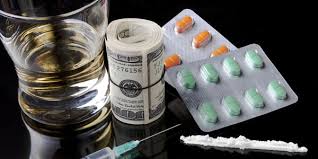
1. One of the earliest addiction recovery steps is to monitor and track your use of drugs and alcohol. Note when you drink or use drugs, how much you are using, and what you are feeling at the time.
2. Talk to loved ones and find out how your addiction affects them, and then ask for their support in your efforts to stop this destructive cycle.
3. Make a list of all the ways that your drug and alcohol abuse hurts you, and how these activities affect those around you. Include all of the pros and cons when it comes to quitting your addiction and getting the help that you need.
4. Speak with a professional substance abuse counselor to find out what addiction treatment options you have,
5. Think about positive ways that you can change your behavior and evaluate what stops you from making these changes.
6. One of the most important addiction recovery steps is examining your past attempts to stop. Write down what challenges you faced, and what techniques and methods worked best for you. This can be used as a blueprint for your latest attempts to stop your drug and alcohol abuse, and this step will give you a better chance at a full recovery.
7. Eliminate all drugs and alcohol from your home, workplace, and other places where you often use. If these are not readily available it may give you time to think about what you are doing and prevent you from a relapse.
Rehab Articles

Before you enter substance abuse treatment, or even start preparing for your substance abuse recovery, there are some important things that you need to think about and consider. Sobriety may seem like it is impossible when you first star thinking about getting help, and you may feel like a permanent recovery is not within your reach. You may feel like your situation is hopeless but the truth is that the right substance abuse treatment program and mindset can help you reach substance abuse recovery. Some tips that can help you succeed include:
-
Decide to change your life for the better, and then make small changes towards this goal.
-
Find a substance abuse treatment program that can address all of the root causes and contributing factors that have led to your drug or alcohol addiction.
-
Set a date to stop drinking or using drugs, and then mentally prepare yourself each day until your quit date arrives.
-
Remember that you may hit a few bumps in the road on your way to substance abuse recovery, and do not let relapses cause you to give up.
-
Tell friends and family members about your plan to enter substance abuse treatment, and ask for support from them. A strong support network is very important for permanent substance abuse recovery.
-
Start tracking your drug or alcohol use, and make every attempt to cut back before you start substance abuse treatment.
-
Talk with a substance abuse professional to find out exactly what your treatment options are.
Rehab Articles

1. Compulsive gambling tips that can be very helpful include making a date to quit. If you set a date in the near future then this gives you time to strengthen your resolve so that you have a better chance at recovery.
2. Look for better ways that you can spend your time and money instead of gambling. Make a list of the possibilities, so that you can look at it when your resolve weakens.
3. Add up all the money that your gambling addiction has cos you in the last year. Once you are face to face with the actual cost of your compulsive behavior you may be more motivated to seek help.
4. Do some research on compulsive gambling tips and on gambling addiction. This will help you understand your problem better and let you know that you are not alone. Many people suffer from this problem but there are ways that you can stop gambling once and for all.
5. Attend meetings for Gamblers Anonymous. These meetings can be an important source of support and you may find them helpful when you are in recovery or seeking treatment.
6. Give control of your money to someone that you trust. A friend or family member can manage your money so that you do not have the financial resources to gamble with. Make sure that you can trust the person completely though.
7. Seek a professional counselor who is knowledgeable and experienced in treating gambling addiction. This professional can provide help and also give you additional resources if these are needed.
Rehab Articles

Obesity is becoming a big problem in North America, and many people suffer from binge eating disorder without realizing that they need help and that this disorder can be effectively treated. Binge eating disorder occurs for many of the same reasons that other eating disorders and compulsive behaviors do. You may eat because you are emotionally upset, or food may be your comfort when you are under a lot of stress or life is going poorly. Usually binge eating disorder causes you to gain weight, but dieting is not the answer to your dilemma because the binge eating pattern will continue without the right treatment program and methods. Eating disorders can be very difficult to treat in some cases, because many treatment programs do not offer individual counseling to help the person with the disorder work through all of the causes.
Some recovery tips for binge eating disorder and other eating disorder types include:
-
Take your recovery one day at a time, and realize that there may be relapses along your journey to wellness.
-
A strong support network will help you get through the rough times without sliding backwards.
-
If you do relapse don’t look back, move forward instead. Accept that you slipped but don’t obsess over the relapse.
-
Avoid temptation whenever possible. Stock your home with healthy foods, that way if you do binge you are not consuming thousands of calories in one sitting.
-
Understand what your specific triggers are, whether this is stress, negative emotional states, or other triggers.
Rehab Articles

Sex addiction seems to be on the rise in North America, and many wonder if this increase is caused by the Internet. The answer is not a simple yes or no. Since the invention of the Internet pornography is widely available, and some of it is violent and degrading. The root causes of a sex addiction are often similar to those of substance abuse and other compulsive issues. These causes may be different for each person but often an inability to deal with stress or difficult situations causes a person to engage in compulsive behavior. This may take the form of a gambling addiction, sex addiction, or substance abuse. In most cases a sex addiction is not truly about sex, it is about the psychological issues which manifest into risky or excessive sexual behavior and activities.
The Internet is not responsible for sex addiction, but the availability of sexual content has made the Internet the place that many people who have a sex addiction turn to. Sometimes people become addicted to being online, but that does not make the Internet the reason for the addiction. If you or someone that you know may have a sex addiction then you should seek professional help immediately. There are treatment programs that can help you overcome this problem and lead a normal life once more. Compulsive behavior can damage your work, your family and other close relationships, your financial situation, and even your health or your life in some situations. There are sex addiction treatment programs which are highly effective that can offer a permanent recovery.
Rehab Articles

Compulsive gambling is a very real problem, one that usually requires professional help. There are some facts about this condition that everyone should understand. If you have a compulsive gambling problem then this will impact every area of your life, and it can create a devastating cycle that only ends when you are ruined in every way if you do not seek professional help. For some individuals the act of gambling can stimulate the same area of the brain that cause drug or alcohol abuse, and this is the considered the reward center in the brain. When the reward center is stimulated you feel pleasure and this leads to addiction, whether you are using a substance or engaging in other activities. The only way to stop this addiction is with professional treatment that addresses the specific causes in each situation.
There are many symptoms that can indicate a problem with compulsive gambling. These symptoms include:
-
Frequent financial problems due to gambling losses. When you gamble money that you can not afford to lose, like your mortgage money or grocery money needed to feed your family, then you may have a compulsive gambling problem.
-
Frequently lying about gambling or the money that was lost is another indication that you need help.
-
If you try to borrow money from friends and family in order to keep gambling then this activity is a problem and help is needed.
-
Stealing in order to fuel your compulsive gambling and addiction is another sign that there is a problem you need to address.
There is help for compulsive gambling, and professional treatment can help you get your life back on track!
Rehab Articles
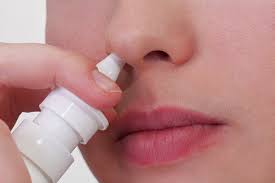
A new medical study is using Ketamine nasal spray as a treatment for major depressive disorder which has been resistant to other forms of treatment. The research study was conducted by New York’s Icahn School of Medicine at Mount Sinai and the study results have been published in the Biological Psychiatry online journal. The Ketamine nasal spray study involved 20 participants, and these participants received either ketamine nasal spray or saline nasal spray for 2 days. The study used double blind crossover methods to ensure the integrity and accuracy of the results. After receiving the drug or saline placebo study participants were asked to complete the Montgomery-Asberg Depression Rating Scale so that any changes in the severity of the depression could be noted.
The goal of the ketamine nasal spray medical study was to determine whether this drug could be used to treat individuals who have treatment resistant major depressive disorder. The results of the study were very promising. Out of 20 participants only 18 completed the two days of treatment. Of these 18 people only 1 in the saline group showed an improvement in depression severity. 8 individuals in the ketamine nasal spray group showed an improvement in the severity of their depression. According to James W. Murrough, M.D. “One of the primary effects of ketamine in the brain is to block the NMDA [N-methyl-d-aspartate] glutamate receptor. There is an urgent clinical need for new treatments for depression with novel mechanisms of action. With further research and development, this could lay the groundwork for using NMDA targeted treatments for major depressive disorder.”