Rehab Articles

1. Excessive energy is common with methamphetamine abuse or addiction. The individual using this drug may seem very active and energetic, and they may not be able to sit still. Pacing, fidgeting, and other activity is common when the user tries to sit calmly. The user may also appear nervous or edgy for the same reason.
2. Pupils become dilated and this is visible. When an individual with methamphetamine abuse or addiction uses the drug their pupils will dilate considerably. This dilation stays until the effects of the drug are over. Light or darkness will not change the size of the pupils very much and that is an indication that methamphetamine use is a problem.
3. Severe sweating is common with methamphetamine abuse or addiction. The user may be sweating heavily regardless of the weather conditions or temperature, because methamphetamine use causes the body temperature to rise and the body systems to speed up.
4. A loss of weight and appetite is expected when methamphetamine use occurs. When methamphetamine abuse or addiction occurs then the weight loss and lack of appetite may be very significant and very visible to others. In many cases the user may lose several pounds over the course of a few days or a week, and long term methamphetamine use is extremely dangerous because of the weight loss.
5. Insomnia or difficulty sleeping is a common problem with methamphetamine use. When the nervous system is accelerated then sleep may be impossible. Even after the individual with a methamphetamine abuse or addiction starts coming down from the drug they still have difficulty relaxing or sleeping soundly.
Rehab Articles

1. Admit that you have a problem and need to stop drinking. If you want permanent results than you have to engage in an honest analysis of whether you have an addiction to alcohol, and whether you want stop drinking or not. The desire to stop drinking will help your treatment effectiveness and the final results that you achieve.
2. See a physician. Your doctor or a substance abuse specialist can help you determine what your treatment options are and whether you may require a medically supervised detox program or not. A physician can be a terrific resource and can help guide you to the needed treatment so that you can start on the road to recovery.
3. Research the right alcohol abuse detox and treatment programs. There are many programs that promise to help you stop drinking permanently, but not all of them deliver on this promise. Do your research to evaluate what types of treatment each program offers, how much it costs, and all of the other details before you choose one to participate in.
4. Set up a support system. Once you start treatment to stop drinking you may need an extensive support system in place to help you deal with weak moments and intense cravings. These can lead to a relapse if you do not have support available when you need it.
5. Attend local 12 step meetings regularly. These meetings can hep you keep your resolve to stop drinking and keep you on the right track.
Rehab Articles

1. Avoid Medications with High Abuse Potential- One of the most common relapse prevention tips for drug addiction and alcohol abuse is to avoid any medications that may be habit forming or that have a high addiction potential unless these drugs are absolutely necessary. Many people who have a substance abuse problem may trade one substance for another, and these medications have a high potential for abuse and addiction.
2. Change Your Habits and Hangouts- Find new friends and new places to spend your time. One of the biggest causes of relapse is slipping back into old habits, and going to the same places or hanging out with the same crowd can cause a relapse to occur.
3. Find Sober Activities and Substance Free Events- Recovering from drug addiction or alcohol abuse does not mean staying locked up in your home, but you must be careful about the events and activities that you take part in. Find sober activities and substance free events to stay social without risking a relapse at the same time.
4. Create a Support Network-Your support network can not be too large, and you should make sure that this network includes people and organizations that you can contact 24/7 when you are feeling low or need encouragement to stay on the road to recovery.
5. Know When and Where 12 Step Meetings are Held in Your Local Area- 12 step meetings can help you avoid temptation, and many cities and areas have places which hold this meetings frequently. In larger cities it is possible to find these meetings 7 days a week, and that can be beneficial if you feel a relapse coming on.
Hopefully these relapse prevention tips for drug addiction and alcohol abuse help you stay sober and reinforce your recovery goals.
Rehab Articles

Alcohol detox is important for several reasons, and this step offer many benefits for anyone who has a problem with alcohol addiction. Some top reasons why alcohol detox is necessary include:
1. A Better Chance of Permanent Recovery- Alcohol detox is often needed in order to gain a permanent recovery. Going cold turkey without any support usually leads to a relapse, especially when the withdrawal symptoms start. Alcohol addiction can be extremely difficult to overcome permanently without the right detox programs and methods.
2. Eliminate Any Medical Risks Possible During the Withdrawal Period- Alcohol detox programs are designed to eliminate any medical risks that you may face while you are withdrawing from this substance. In severe cases alcohol withdrawal symptoms can be dangerous or even deadly, and a medically supervised alcohol detox program can prevent these problems.
3. Clean Alcohol From The Body Before Starting Alcohol Addiction Treatment- Before you begin alcohol addiction treatment it is important that you are clean and sober, and this means alcohol detox in some way.
4. Fewer Or Less Severe Withdrawal Symptoms- Alcohol detox can help minimize the severity and number of withdrawal symptoms that you experience. Programs that involve medical supervision can provide medications which help to control withdrawal symptoms and keep you more comfortable during the alcohol detox process.
5. Alcohol Detox Usually Provides Better Treatment Results- When you enter an alcohol detox program before receiving alcohol addiction treatment you will generally get a much better outcome. Until you are completely clean you can not focus on the issues that you must work through to address your substance abuse problems.
Rehab Articles

Substance abuse treatment setbacks and addiction relapse are usually expected when you are struggle to overcome drug or alcohol abuse, and there are some things you should know and understand. An addiction relapse and substance abuse treatment setbacks are common, especially when the right facility and program are not carefully researched. There are several warning signs that indicate an addiction relapse may occur. These include:
-
Attitude changes, which cause your recovery and sobriety to lose importance in your life.
-
An increase in the amount of stress that you experience on a daily basis.
-
Denial to the point that you refuse to admit that the stress is becoming too much or even that you have a substance abuse or addiction problem.
-
Changes in behavior and daily routine
-
Avoiding social situations and occasions. When you start to relapse or experience substance abuse treatment setbacks you may start to isolate yourself from your social contacts.
-
Addiction relapse often begins with the initial withdrawal symptoms that you experienced before substance abuse treatment. You may start to think about drugs or alcohol more frequently, and you may start to experience anxiety, depression, insomnia, and other common withdrawal symptoms.
-
Substance abuse treatment setbacks and addiction relapse typically includes a lack of good judgment and poor impulse control. You start making bad decisions and acting without thinking things through.
-
Eliminating options and narrowing choices is also typical right before addiction relapse. 12 step meetings, counseling visits, and other treatment and therapy activities are discontinued and avoided.
Rehab Articles

12 step programs are often used for individuals who have alcohol abuse or addiction problems, but how effective are these programs and do they actually work? Every individual is different, and will consume alcohol in different amounts and for different reasons. 12 step programs involve a series of steps intended to help a recovering alcoholic work their way back to permanent sobriety, and these programs include a belief in a higher power. Christian alcohol abuse treatment programs also involve a belief in god, but these also address the underlying causes of the alcohol abuse on an individual case with many programs. 12 step programs can be highly effective for some individuals but others may not get the same results because of the lack of individual counseling that is involved.
The specific 12 step program being considered may offer significant help if you have a problem with alcohol abuse or addiction, or you may find that the expected recovery never materializes no matter how many meetings you attend. If you have an issue with alcohol abuse or addiction then you want a program that actually works, and you should consider a facility that provides inpatient care at first and individual counseling sessions several times a week. A 12 step program is best used after leaving inpatient treatment for most individuals who need help for alcohol abuse or drug addiction. The inpatient facility can help you through the initial detox and recovery, and then a 12 step program can ensure that you stay on the right road to recovery once you are back home again.
Rehab Articles

Are bipolar teens at a higher risk of substance abuse? According to research that was recently completed by Dr. Benjamin Goldstein the answer is yes! The research study was published in the medical journal Journal of the American Academy of Child and Adolescent Psychiatry, and the results show that a bipolar teen has a one in three chance of substance abuse and possibly addiction before they reach their twenties. The study involved 167 teenagers between the ages of 12 and 17, and the results show that many teens turn to substance abuse to help medicate the extreme mood swings and other symptoms of bipolar disorder. Data that was taken from the Course and Outcome of Bipolar Youth database and used for this study as well.
The teens that were involved in the study were periodically interviewed over the course of a four year period, for an average of 7 times. In addition there were additional factors that may also contribute to substance abuse. These other factors included a family history of substance abuse, no antidepressant treatment, oppositional defiant disorder, a lack of family cohesion, and panic disorder. These factors were determined to be predicting factors in a higher risk of future substance abuse, the same as bipolar disorder. According to Dr. Goldstein who oversaw the study these findings are important in order to develop more effective preventative strategies that reach bipolar teens. The National Institute of Mental Health funds the COBY study, and this is the biggest study for bipolar in teens.
Rehab Articles
1. Distance From Old Habits and Places- When you choose one of the drug rehab centers Canada you can put some distance between you and your old habits and places. Often these factors contribute to a relapse, and that can mean further rounds of treatment are needed in order to get permanent results.
2. A Fresh Start- When you are trying to change your activities and stop substance abuse then drug rehab centers Canada can help you get a fresh start and a new beginning. You will not know anyone, and they will not be aware of your past or your substance abuse issues unless you tell them. Sometimes a fresh start can help you achieve a permanent recovery.
3. Get Away From Friends Who Use- Running into old buddies and friends who have used with you in the past can frequently trigger a relapse. When you decide to use one of the drug rehab centers Canada you will get away from old friends and acquaintances who still use. This can help you stay on the road to recovery and keep you from sliding back into old habits.
4. Focus Only On Your Drug Addiction Treatment- Drug rehab centers Canada can help you focus solely on your addiction treatment and recovery. There are fewer distractions when you choose a program that is remotely located and far from your normal life and activities. When you focus on your drug addiction treatment you will generally get better results.
5. Effective Treatment Methods- Some drug rehab centers Canada offer the most effective treatment methods and proven techniques, and this can mean a more effective recovery and results that actually last.
Rehab Articles

Individual counseling for drug addiction treatment and alcohol abuse is one of the most effective methods available today to fight substance abuse. One on one counseling has many benefits that make it a superior choice to other methods, but there are also some drawbacks as well. Before you decide on the best drug addiction treatment or alcohol abuse program it is important to know what the pros and cons of individual counseling sessions are.
The Drug Addiction Treatment Benefits of Individual Counseling
Drug addiction treatment is not available in a one size fits all model that actually works, because each individual will have different reasons for their substance abuse that need to be addressed before a full and complete recovery can be reached. Invisible wounds and hidden traumas vary, and each person may have different reasons for turning to drugs or alcohol. Individual sessions allow the user to work through their unique issues so that they can start to heal.
Drawbacks with One on One Sessions in Drug Addiction Treatment
The only drawback with individual counseling for drug addiction treatment or alcohol abuse is the cost involved. Since a professional is needed for each individual the cost can be much higher for an individual session than it is for a group session. Drug addiction treatment programs that provide one on one counseling will usually cost more, but in the end you will usually see superior results for the higher price and this can help you quit any substance abuse and get back on the right track faster.
Rehab Articles
There are several factors that are essential with drug treatment programs, and if these are not available then you could end up relapsing right after you leave the program. The 5 most important factors with drug treatment programs are:
-
Cost- The price charged for services will need to be affordable and within your budget, but that does not mean you should only look at the cheapest drug treatment programs.
-
Treatment Methods Offered- Individual counseling is a must if you are going to work through the issues causing the drug use and actually recover. Drug treatment programs that do not offer individual counseling will be less effective in most cases. Group therapy and other methods should also be offered.
-
Recovery Tools Provided- Look for programs that offer a wide range of recovery tools which can help you manage stress and negative emotions without relapsing and going back to the old ways.
-
Staff- If the staff at the chosen drug treatment programs are not caring and compassionate then this could affect the outcome of your treatment. When the staff actually cares about your recovery you are far more likely to succeed and less tempted to leave the facility before you are ready to face the outside world again.
Rehab Articles

Alcohol abuse affects almost all age and income levels, and there are some surprising statistics that many people are not aware of. In the USA alone between 12 million and 14 million people over the age of 21 use alcohol on a regular basis. Treatment for alcohol addiction can be found in all types, but a large percentage of people do not believe that they have a problem or that they need help and addiction treatment. The drinking habits of men and women are usually different, and many women choose wine as their alcoholic beverage of choice. Men tend to use beer or hard liquor instead of wine, but both sexes have seen an increase in alcohol consumption and binge drinking. This includes adults over the age of 40, a time when many are well established in life and have a lot to lose with an alcohol addiction.
The elderly are also a big concern because many in this population suffer from alcohol addiction as well. Roughly 10% of women who were between 40 years old and 64 years old reported binge drinking at least once in the last month, and the most common answer was three episodes of binge drinking within the last 30 days. This is the same rate that college aged women abuse alcohol, and it shows that all age groups are at risk. Alcohol abuse can lead to a higher risk of being victimized for women, and binge drinking is especially harmful to the body and internal organs. The Crossing Point has effective alcohol addiction treatment programs for all ages and both sexes, because we understand which methods work and lead to success.
Rehab Articles

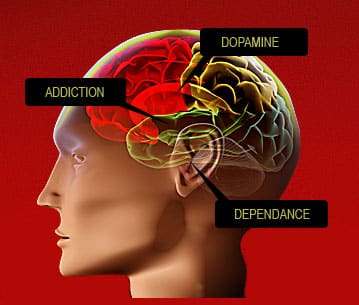
Do the study results from a new research study show that addiction is for life? The answer is not quite that clear cut, and the study uses neural activity before and after addiction treatment to determine why some individuals never stop their substance abuse even when the consequences are deadly. Anyone involved in substance abuse programs and addiction treatment facilities understand just how hard it can be to break certain addictions. The new study shows that recovery can be a lifelong process. Biological Psychiatry is the journal where the study results are published. The editor of this journal is Dr. John Krystal, and when asked about the study results he is credited as saying “The knowledge that some neural changes associated with addiction persist despite long periods of abstinence is important because it supports clinical wisdom that recovery from addiction is a lifelong process.”
Addiction treatment is very important, and there is no quick fix for substance abuse. During the study there were 3 groups used. One of the groups had no substance abuse issues at all, another group involved individuals with current substance abuse, and the third group involved patients who were in recovery after experiencing addiction. Even after the substance abuse was abstained from for a long period of time the reward center of the brain did not revert back to the previous function. Once the addiction changed the neural pathways and reward center of the brain these areas did not go back to normal once the substance abuse was stopped.